 Semiahmoo Siding
 Board & Batten in a Place Like Point Roberts
Point Roberts sits on its own peninsula at the southern tip of the Tsawwassen lands, cut off from the rest of Whatcom County by water and reachable by road only through Canada. That geography shapes everything about how a home should be sided here — and it's also why board and batten, a style that's been used on Pacific Northwest homes for well over a century, still makes sense on this stretch of coastline. The vertical lines read clean against the trees and water views that define the area, and the deep shadow lines the battens cast give a home real texture instead of a flat wall of siding.
But style is only half the conversation. A board and batten job on a home exposed to open water on multiple sides has to be built to handle conditions that a lot of general siding advice doesn't account for. This page is about what that actually requires — the climate factors, the installation details, and why a crew that regularly works in Point Roberts is worth choosing over one that doesn't.
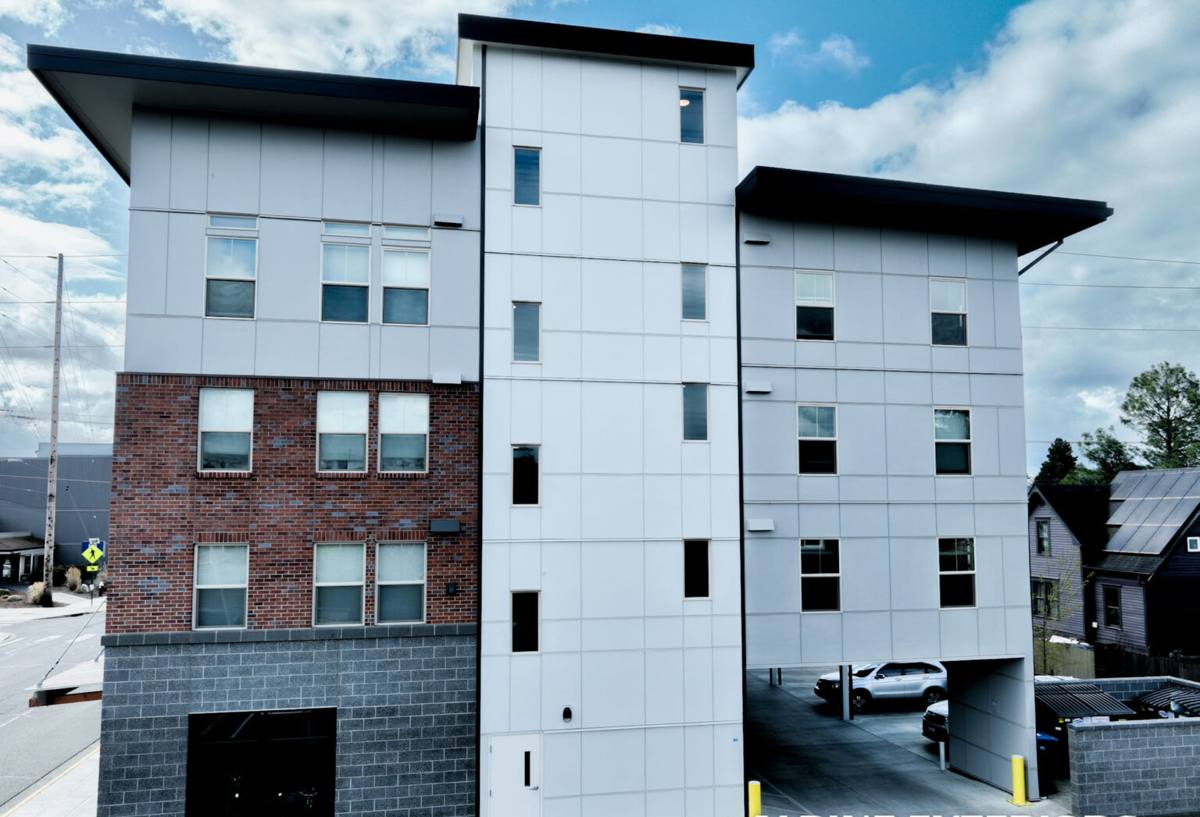
What the Local Climate Actually Does to Siding
Point Roberts catches wind and moisture off the Salish Sea from multiple directions, and that combination is harder on exterior materials than most inland Whatcom County locations. Three things stand out:
Salt Air
Airborne salt from the surrounding water settles on exterior surfaces and accelerates corrosion on fasteners, flashing, and any metal trim that isn't rated for coastal exposure. It also breaks down cheap paint films faster than an inland environment would, which is why fastener choice and factory-cured finishes matter more here than they do a few miles inland.
Driving Rain
Storms coming off open water don't just fall straight down — wind-driven rain gets pushed sideways into wall assemblies, seams, and butt joints. A siding system that isn't detailed for driving rain will eventually let moisture behind the cladding, even if it looks fine from the curb for years.
A Long Moss Season
Cool, damp, shaded conditions for a large part of the year mean moss and algae get a real foothold on north-facing walls and anywhere siding stays wet longer than it should. Moss holds moisture against the surface, and on the wrong material that turns into slow, steady deterioration you don't notice until it's already progressed.
Why Board & Batten Needs to Be Built Right, Not Just Nailed Up
Board and batten looks simple — wide panels or boards with narrower strips covering the seams — but the assembly underneath is what determines whether it holds up in this climate. A correct installation includes:
- A drainage plane (weather-resistant barrier) installed and lapped correctly behind the siding, not just stapled on as an afterthought
- Furring strips or a rainscreen gap in many applications, so water that does get behind a batten has somewhere to drain and dry instead of sitting against the wall
- Batten spacing and fastener placement that follows the manufacturer's engineering, not just "close enough"
- Flashing at every horizontal transition — window and door heads, roof-to-wall intersections, and the base of the wall — since these are the spots driving rain finds first
- Caulking and sealant used only where the manufacturer specifies it, not as a substitute for proper flashing
Skip any one of these steps and the siding can still look right for a season or two before problems start showing up as staining, soft spots, or paint failure at the seams.
The James Hardie Board & Batten System We Install
We install James Hardie fiber cement exclusively, and for board and batten that means HardiePanel vertical siding paired with HardieTrim battens, finished in a factory-applied ColorPlus finish. We don't offer vinyl board and batten, LP SmartSide, primed spruce, or cedar board and batten, and we don't install unfinished fiber cement from other manufacturers either. That's a deliberate standard, not a lack of options — here's the reasoning:
| Factor | Why It Matters on This Coastline |
|---|---|
| Non-combustible core | Fiber cement doesn't feed a fire the way wood-based or engineered-wood panels can, which matters for insurance and long-term risk regardless of location |
| Factory-cured ColorPlus finish | Baked-on in a controlled environment rather than field-painted, so it resists the fading and film breakdown that salt air and UV accelerate on site-applied paint |
| Moisture-resistant composition | Fiber cement doesn't absorb and swell the way wood or wood-composite products can, which matters directly in a driving-rain, long-moss-season climate |
| HZ5 engineering | Hardie's HZ product lines are engineered for specific climate zones; the Pacific Northwest falls under specifications built around freeze-thaw and moisture exposure, not a generic national product |
| Warranty structure | A manufacturer-backed, transferable warranty on both the substrate and the finish, which matters if the home changes hands |
We're not going to tell you cedar looks bad or vinyl is worthless — both have real applications elsewhere. But for board and batten on a home taking direct salt air and wind-driven rain, we've made the call that fiber cement engineered for this climate, with a factory finish, is what we're willing to put our name on.
Why Working With a Crew That Already Knows Point Roberts Matters
Point Roberts' geography isn't just a climate factor — it's a logistics factor most siding crews haven't planned around. Material deliveries, crew scheduling, and even simple things like where to stage panels and battens all work differently on an exclave than they do on a typical job in mainland Whatcom County. A crew that already works this area has that figured out before your project starts, which means fewer delays and fewer surprises mid-job. A crew coming in cold on a single job often learns those logistics on your timeline, not before it.
There's also a local-knowledge piece that matters for the work itself: which sides of a typical Point Roberts home take the worst of the wind and rain, where moss tends to establish first, and how to sequence a job around the weather patterns specific to this stretch of coastline rather than generic Pacific Northwest assumptions.
How the Project Works
1. Walkthrough and Assessment
We look at your home's current siding condition, wall orientation relative to wind and water exposure, existing moisture or moss issues, and any trim or flashing that needs attention before new siding goes up.
2. Detailed Estimate
You get a clear scope of work — what's being removed, what the drainage plane and furring assembly looks like, panel and batten layout, color, and a firm number, not a rough guess.
3. Prep and Weather Barrier
Old siding comes off, sheathing is inspected and repaired where needed, and the weather-resistant barrier goes on correctly lapped, with attention to every penetration and transition.
4. Installation to Manufacturer Spec
HardiePanel and HardieTrim go up following James Hardie's fastening, spacing, and flashing requirements — not shortcuts that happen to look the same from the ground.
5. Final Walkthrough
We go over the finished work with you directly so you know what was done and what to expect from the material going forward.
Living With Board & Batten in This Climate
Fiber cement board and batten is low-maintenance compared to wood, but "low-maintenance" doesn't mean "no maintenance" in a salt-air, high-moss environment. A simple seasonal routine goes a long way:
- Rinse siding annually, especially north-facing and shaded walls where moss and algae get a foothold first
- Keep gutters clear so overflow isn't running directly down wall sections
- Trim back vegetation and tree cover that keeps siding shaded and damp longer than necessary
- Check caulking at trim joints and penetrations every year or two and touch up as needed
- Address any soft spots, staining, or paint film changes early rather than waiting
None of this is heavy work, but skipping it in a climate this damp lets small issues turn into bigger ones faster than it would somewhere drier.
What Affects the Cost
| Factor | Why It Moves the Price |
|---|---|
| Home size and wall complexity | More corners, gables, and transitions mean more cutting, flashing, and labor time |
| Existing siding removal and sheathing condition | Rot or moisture damage found underneath old siding adds repair work before new siding can go on |
| Panel and batten layout | Batten spacing and reveal width affect material quantities |
| Color and finish | Factory ColorPlus finishes come in a range of standard colors; custom or premium finishes cost more than standard options |
| Access and logistics | Site access, staging space, and delivery logistics specific to Point Roberts factor into scheduling and cost |
We'll walk through all of this in person and give you a real number for your home rather than a generic per-square-foot estimate that doesn't reflect your specific project.
If you're weighing board and batten for a Point Roberts home, we're happy to come take a look and talk through what your walls actually need. Fill out the form below for a free, no-pressure estimate.