 Semiahmoo Siding
 Why Siding Failure Is Easy to Miss Until It's Expensive
Siding does its job quietly. It sheds rain, blocks wind, and holds its shape for years without asking for attention — until suddenly it isn't doing any of that anymore. By the time most homeowners in Semiahmoo notice a problem, the damage has usually been building for a while behind the surface. That's the nature of siding failure: it rarely announces itself with a dramatic event. It shows up as a slightly soft spot near a window, a patch of paint that won't stop peeling, or a corner board that looks a little different than it used to.
Whatcom County's exterior climate doesn't do siding any favors. We get salt air drifting off the water, long stretches of driving rain pushed in by winter storms, and a moss season that can run from October through May in shaded, north-facing spots. Any one of those is manageable for a well-built wall system. Combined, and applied year after year, they expose weak points in materials, installation, and maintenance faster than drier inland climates ever would.
This page walks through the signs that actually matter — not cosmetic quirks, but indicators that your siding's ability to protect the structure behind it is compromised.
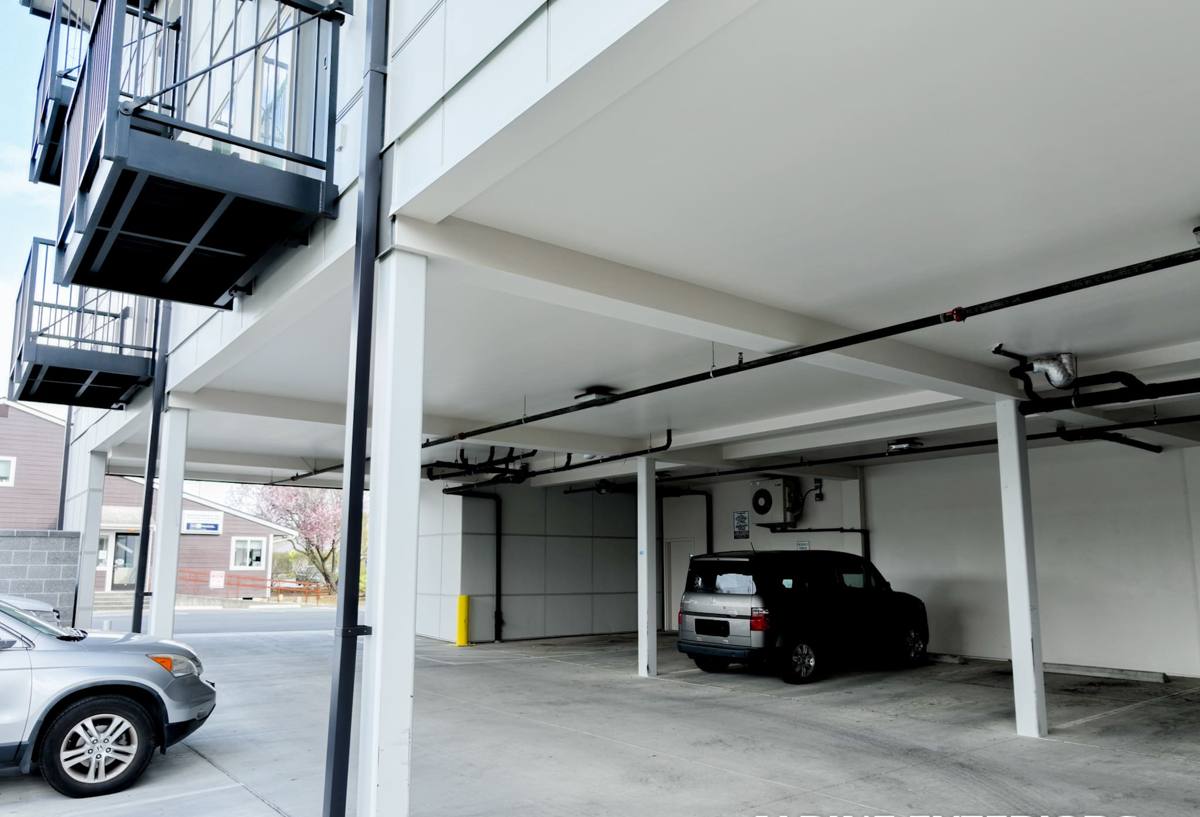
Visual Signs You Can Spot From the Ground
Paint That Won't Hold
Paint failing in one isolated spot after a few years is normal wear. Paint failing repeatedly in the same location, or peeling in sheets rather than flaking, is a different story — it usually means moisture is getting into the material from behind and pushing the finish off from the inside. Repainting that same spot every year or two without ever solving the underlying cause is a sign the siding itself, not just the paint job, needs attention.
Warping, Bowing, or Buckling
Wood-based sidings (and boards with wood in the substrate) can absorb moisture, swell, and lose their flat profile. From a distance this shows up as wavy lines where the siding should run straight, or panels that look like they're pulling away from the wall at the edges. Once a board has physically warped, it typically won't flatten back out — it needs to be replaced, not just resealed.
Cracking and Splitting
Hairline cracks that follow the grain of a board are often a sign the material dried out, absorbed water, and expanded past its limit — a cycle that repeats every wet season and gets worse each time. Cracks are also an open door for water, so a small crack today is a soft, rotting board in a year or two if it's left alone.
Discoloration and Staining
Dark streaking, especially running down from seams, nail heads, or the tops of boards, points to water tracking across the surface and picking up trapped moisture or breaking down the material as it goes. This is separate from surface dirt, which wipes or washes off. Staining that comes back shortly after cleaning is a moisture signal, not a cleanliness issue.
Moss, Algae, and What They're Actually Telling You
Moss on siding gets treated as a cosmetic nuisance, but it's more useful than that — it's a moisture indicator. Moss and algae need sustained dampness to establish themselves, so a wall covered in green growth is a wall that's staying wet longer than it should. In Semiahmoo, shaded north and west-facing walls, areas under overhangs with poor airflow, and anywhere gutters overflow onto the siding below are the usual hot spots.
Moss on a sound, water-resistant material is mostly an aesthetic problem — wash it off, address the moisture source (usually shade, poor drainage, or clogged gutters), and move on. Moss growing into cracks, seams, or soft, absorbent siding is a different problem, because the moss holds moisture directly against the material and accelerates whatever damage is already underway. If you're pressure-washing the same patch of moss off every year and it keeps coming back thicker, that's worth a closer look at what's underneath it.
What You Can Feel and Hear
- Soft spots: Press firmly on suspect areas, especially near the ground, around windows, and at butt joints. Wood-based siding that gives under moderate pressure is likely rotting.
- Hollow sound: Tap along the wall. A dull, hollow knock compared to surrounding areas can indicate the substrate behind the siding has deteriorated.
- Crumbling edges: Run a hand along cut edges and corners. Material that flakes or crumbles rather than staying solid has broken down structurally, not just cosmetically.
- Loose or bulging panels: Siding that flexes, rattles in wind, or has visibly separated from the wall has likely lost its fastening or the substrate behind it has swollen or shrunk.
Interior Clues That Point Back to the Exterior
Some of the clearest failure signs don't show up outside at all. Interior drywall staining near exterior walls, a musty smell in a room that wasn't there before, peeling interior paint or wallpaper along an outside wall, and unexplained increases in heating bills can all trace back to siding that's no longer keeping water and air out the way it should. If you're seeing interior symptoms alongside any of the exterior signs above, the problem has likely been active for longer than the exterior alone suggests.
How Fast Different Materials Show Failure
Not every siding material fails the same way or on the same timeline. Understanding what you're looking at changes how urgently you should act.
| Material | Common Early Failure Signs | Typical Vulnerable Points |
|---|---|---|
| Untreated or primed wood | Cracking, warping, paint failure, soft spots | Ground contact, butt joints, nail heads |
| Engineered wood siding | Edge swelling, delamination, soft or crumbling panel edges | Cut edges, seams, areas without proper caulking |
| Vinyl siding | Cracking, warping in direct sun, panels popping loose | Fastening points, seams, impact areas |
| Fiber cement (properly installed) | Rare — mainly caulk/paint maintenance at seams over decades | Poorly flashed openings, improper clearance to grade |
It's worth noting that most siding "failures" our industry sees aren't really material failures — they're installation failures. Missing or poor flashing around windows, siding installed with no clearance above the ground or roofline, caulk used to seal gaps that should have been flashed, and panels nailed too tight all create moisture pathways regardless of what material is on the wall. A high-quality material installed poorly will still fail early; a lesser material installed to spec will still underperform its potential. Both matter.
What Local Climate Does to the Timeline
Semiahmoo's position on the water means siding here deals with more than just rain volume. Salt-laden air accelerates corrosion on fasteners and metal trim, which can loosen panels or stain siding well before the siding material itself would otherwise show wear. Driving rain — wind-driven rather than straight-down — gets pushed sideways under laps, around trim, and into seams that would stay dry in calmer weather, which is exactly why flashing detail matters more here than it would in a sheltered inland location. And the long moss season means any wall with poor sun exposure or airflow is fighting sustained dampness for a large part of the year, not just during storms.
None of that means siding is destined to fail here — plenty of homes in the area have exteriors that have held up for decades. It means the margin for installation shortcuts or material choices that assume a milder climate is smaller than homeowners moving here from drier regions might expect.
A Practical Inspection Checklist
Walk the full perimeter of your home once or twice a year, ideally after a stretch of wet weather when problems are easiest to spot. Look for:
- Peeling paint that returns quickly in the same spot
- Boards or panels that look warped, bowed, or no longer sit flat
- Cracks running along seams, corners, or board faces
- Dark streaking or staining, especially below seams and nail heads
- Moss or algae that regrows quickly after cleaning
- Soft spots when pressed, particularly near the ground and under windows
- Hollow sounds when tapped compared to nearby areas
- Gaps, loose panels, or visible separation from the wall
- Interior staining, musty odor, or peeling paint on exterior-facing walls
- Caulk that has cracked, shrunk, or pulled away from joints
When to Repair vs. When to Replace
A handful of isolated soft boards, a section of trim with failed caulk, or moss on an otherwise sound wall are repair-scale problems. Widespread staining, multiple soft or hollow areas across different walls, repeated paint failure in several locations, or siding that's original to a home over 20-25 years old are signs the whole system — not just a few boards — is nearing the end of its useful life. At that point, patch repairs tend to become a recurring expense rather than a fix, and a full or partial re-side starts to make more financial sense than chasing individual failure points year after year.
This is also the point where material choice matters most. When we replace siding, we install James Hardie fiber cement exclusively. It's non-combustible, engineered for wet climates through Hardie's HZ5 product line, finished with a factory-applied ColorPlus finish that resists the fading and peeling that drives most repaint cycles, and backed by a strong transferable warranty. We made that decision after seeing too many of the failure patterns above play out on wood-based and engineered-wood products in this exact climate — Whatcom County's salt air, rain, and moss don't leave much room for materials that depend on perfect, ongoing maintenance to perform.
Get an Honest Read on Where Your Siding Stands
If you're seeing one or two of these signs, or you're just not sure how much life is left in your current siding, we're happy to take a look and give you a straight answer — repair, monitor, or replace. There's no pressure and no obligation. Reach out using the form below to schedule a free estimate.