 Semiahmoo Siding
 Building New in California Creek: What the Windows Have to Handle
If you're framing a new home in California Creek, you're building close enough to Semiahmoo Bay that salt-laden air, wind-driven rain, and a moss season that can stretch from October into May are all part of the deal. Windows installed during new construction don't get a second chance the way a retrofit does — the flashing, the sheathing wrap, and the rough opening all have to work together as one water-management system from day one. Get it right at framing and you've got decades of trouble-free service. Get it wrong and the first sign of trouble is often a soft spot in the wall three or four years later, well after the drywall and paint are done.
New construction gives you an advantage that retrofit work doesn't: full access to the rough opening before it's ever been closed up. That's the moment to build in the redundancy this climate demands, rather than relying on caulk and hope after the fact.
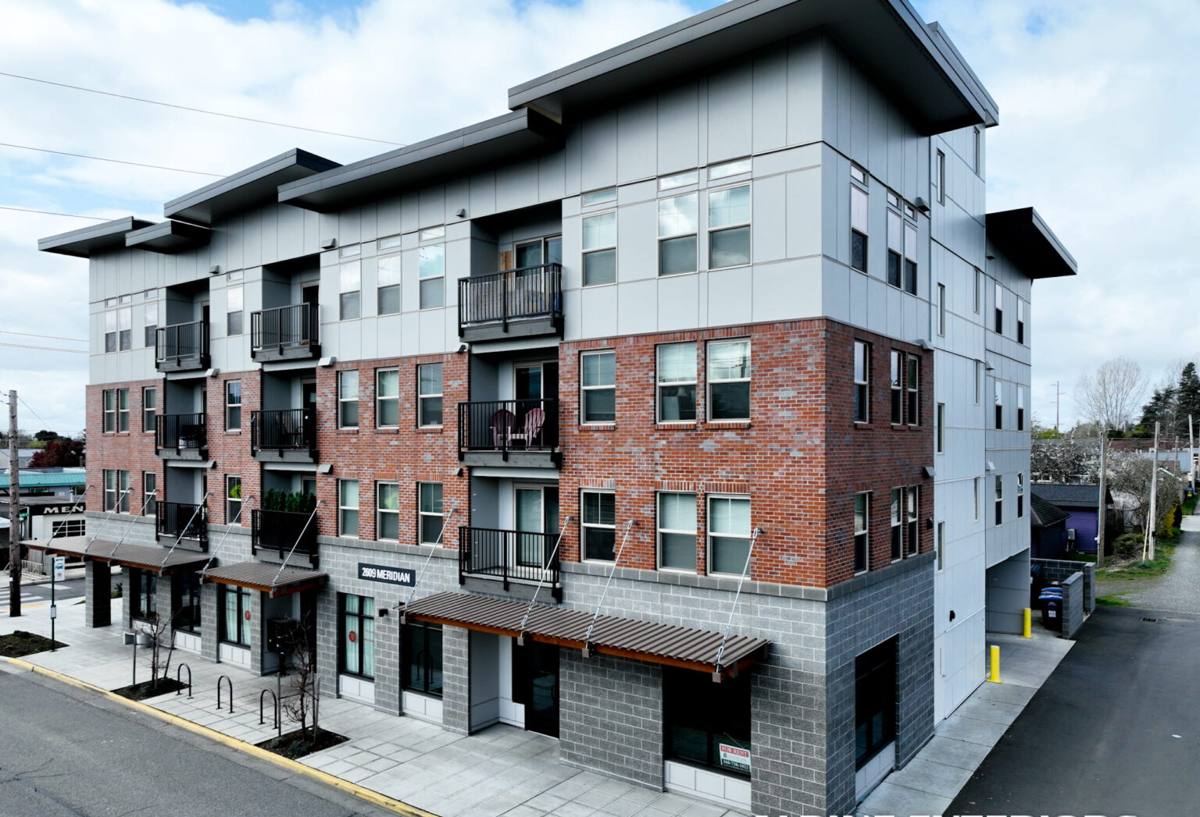
Why New Construction Is the Right Time to Get This Right
Every window opening in a new home is, structurally speaking, a hole in your weather barrier. The house wrap, the sheathing, the framing, and the window unit itself all have to be sequenced correctly, in the right order, with the right laps and overlaps, so that water sheds down and out rather than finding a path inward. In a marine climate like Whatcom County's, that sequencing matters more than the window brand you choose.
We see this most clearly on homes near the water in Semiahmoo, where wind-driven rain doesn't fall straight down — it gets pushed sideways into wall assemblies during winter storms. A window that would perform fine in a drier, calmer climate can still leak here if the flashing details weren't built for horizontal water pressure. That's a framing and installation issue, not a product defect, and it's exactly why new-construction window work deserves the same attention as the roofing or siding on the same house.
What "Correct" Actually Means in This Climate
A properly installed new-construction window in California Creek should have:
- A sloped sill pan beneath the unit so any water that gets past the window drains back out, not into the wall cavity
- Self-adhered flashing membrane at the jambs and head, lapped shingle-style so water always moves downward over the next layer
- A head flashing or drip cap that directs water away from the top of the window, not just a bead of caulk
- Correct integration with the house wrap or weather-resistive barrier, with all laps running the right direction
- Backer rod and sealant at the exterior trim joint, sized and installed for actual movement, not just filled in
- Proper shimming and squaring so the sash operates smoothly and the seal isn't stressed from day one
Skip any one of these and the window itself becomes irrelevant — water will find the gap in the system, not the window.
Salt Air, Driving Rain, and Moss: Three Separate Problems
It's worth separating out what this climate actually does to a window assembly, because each factor calls for a slightly different response.
Salt Air
Proximity to Semiahmoo Bay means airborne salt settles on and around exterior hardware, fasteners, and finishes. Over years, that accelerates corrosion on lower-grade fasteners and can dull or pit finishes that aren't rated for coastal exposure. We spec corrosion-resistant fasteners and flashing hardware on builds this close to the water as a matter of course, not an upgrade.
Driving Rain
Storms off the Strait of Georgia and the Salish Sea push rain sideways into west- and southwest-facing walls. This is the reason sill pan flashing and correctly lapped head flashing aren't optional details — they're the difference between a window that sheds wind-driven rain and one that lets it wick into the wall assembly during a hard blow.
Long Moss Season
Whatcom County's damp, mild winters keep moss and algae growth active for much of the year on north-facing and shaded surfaces. On windows, that shows up less as a threat to the glass itself and more as ongoing growth on sills, trim, and adjacent siding if drainage isn't handled well. A window assembly that drains properly stays drier, and a drier surface grows far less moss and mildew over time.
Window Types and Materials: What Fits a Coastal New Build
New construction gives you the freedom to choose frame material and window style before anything is locked in. Here's how the common options stack up for a home in this specific setting.
| Frame Material | Coastal / Moisture Performance | Maintenance | Best Fit |
|---|---|---|---|
| Vinyl | Good; won't corrode or rot, seals hold up well when installed correctly | Low — occasional cleaning | Most new builds; strong value |
| Fiberglass | Excellent; very stable in temperature swings and moisture, minimal expansion/contraction | Low | Larger openings, higher-end builds |
| Wood (clad exterior) | Good on the exterior face if clad and flashed correctly; interior wood still needs upkeep | Moderate to higher | Homeowners wanting a wood interior look |
| Aluminum | Conducts cold and can condense more in our damp winters unless thermally broken | Low | Specific architectural applications |
We don't push one brand or material as the only right answer — the right choice depends on your budget, the home's design, and how much upkeep you want long-term. What we do insist on is glazing rated for the coastal exposure and hardware that won't corrode prematurely from the salt air. Those are non-negotiable regardless of which material you land on.
Our Process for New-Construction Window Installs
On a new build, we coordinate directly with the framer and general contractor rather than working in isolation, because window flashing has to integrate with the sheathing and house wrap sequence.
- Rough opening inspection — we check that openings are square, correctly sized, and structurally ready before anything gets installed
- Sill pan flashing — installed with a slight slope to the exterior, so any incidental water drains out rather than pooling
- Window setting — units are set plumb, level, and square, shimmed correctly so hardware operates properly for the life of the window
- Jamb and head flashing — self-adhered membrane lapped in the correct shingle-style order over the sill pan and under the house wrap
- Integration with the weather barrier — house wrap laps are tied in so the whole wall drains as one system, not a patchwork
- Exterior trim and sealant — backer rod and sealant sized for real movement, not just cosmetic caulking
- Final operation check — every sash and lock checked for smooth operation before we sign off
We document flashing details as we go, which matters on new construction because this is the one point in the home's life when those layers are visible before drywall and siding close everything up.
Mistakes We See on New Builds Near the Water
Most window problems we get called out to fix in older Semiahmoo-area homes trace back to one of a handful of installation shortcuts, not a bad window. On new construction we build in specific safeguards against each one:
- No sill pan, or a flat one — water sits instead of draining, and eventually finds a way through
- Flashing laps run the wrong direction — water gets directed behind the layer below instead of over it
- Caulk used as the primary seal instead of proper flashing — caulk is a backup layer, not a water-management system
- Fasteners that aren't corrosion-resistant — fine inland, but a liability this close to salt air
- Window sequenced out of order with the house wrap — creates a gap in the drainage plane that's invisible until it fails
Checklist: What to Ask Before You Sign a Window Contract
Whether you're working with us or comparing bids, these are the questions that separate a contractor who understands coastal new construction from one who's just installing units:
- Will you install a sloped sill pan at every window opening, not just the ground-floor units?
- What flashing membrane and lap sequence do you use, and can you walk me through it?
- Are the fasteners and hardware rated for coastal/salt-air exposure?
- How do you integrate window flashing with the house wrap or weather-resistive barrier?
- Will someone inspect the rough openings before windows are set, and will I get documentation or photos of the flashing before it's covered?
- What's the warranty on both the window unit and the installation itself?
Why a Crew That Already Works California Creek Matters
New-construction window installation isn't exotic work, but doing it correctly in a coastal Whatcom County microclimate is different from doing it in a drier, more sheltered inland lot. A crew that already installs windows regularly around Semiahmoo and the bay has already seen how driving rain behaves against these specific exposures, which walls take the worst of a winter storm, and how much margin for error the salt air actually leaves you. That's not something you learn from a manufacturer's install manual — it's learned from doing the work in this specific place, repeatedly, and seeing what holds up over years.
We're not interested in cutting corners on flashing details to save an hour on install day. On a new build, those details get covered by siding and trim within days, and the only way anyone finds out they were done right is years later, when nothing has gone wrong.
Get a Straight Answer for Your California Creek Build
If you're planning new construction in California Creek or elsewhere around Semiahmoo, we're glad to walk your plans, talk through window selection, and explain exactly how we'll handle flashing and drainage for your specific lot and exposure. There's no pressure and no sales script — just a straightforward look at what your home needs. Use the form below to request a free estimate.