 Semiahmoo Siding
 Siding Built for What Lynden Weather Actually Does to a House
Homes in and around Lynden don't fail because the siding material was cheap — they fail because the wrong material was asked to do a job it was never built for. Whatcom County sits in a marine-influenced climate: damp air moves inland off the water for most of the year, rain comes in sideways more often than straight down, and a wet, mild winter gives moss and algae months to get established on north-facing walls and anything shaded by trees. Siding here isn't decorative. It's the first line of defense against water intrusion, and it's on duty essentially every day of the year.
That's the lens we use when we talk to homeowners about a siding job in this area. We're not selling a look — we're solving a moisture problem with a product that happens to also look good. Fiber cement, installed correctly, is the material that holds up to that job without asking for constant upkeep in return.
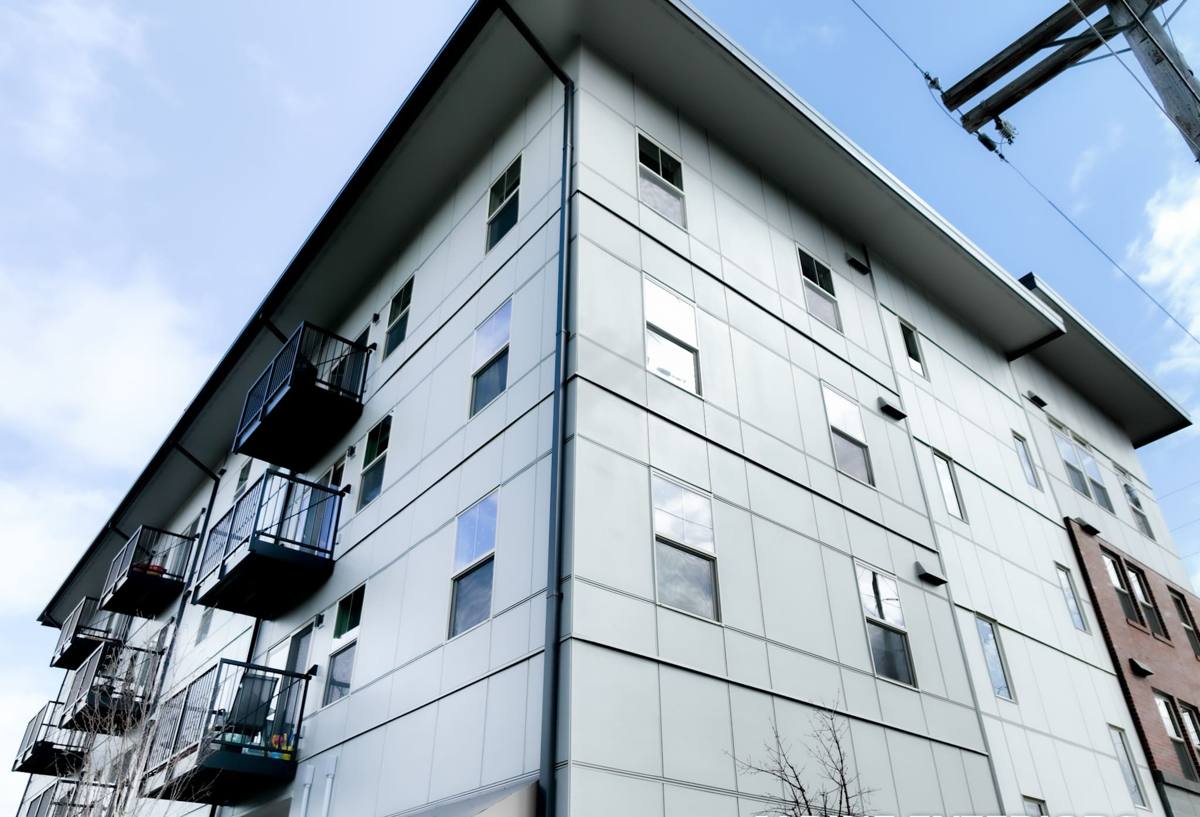
What Salt Air, Driving Rain, and Moss Season Actually Do to Siding
Salt Air
Proximity to Semiahmoo Bay and the broader Puget Sound/Salish Sea coastline means airborne salt is part of the environment here, not an occasional visitor. Salt-laden moisture accelerates corrosion on exposed fasteners, trim flashing, and any metal hardware that isn't properly rated or protected. It also finds its way into hairline cracks and seams faster than plain rainwater does, because salt residue holds moisture against the surface longer between rain events.
Driving Rain
Wind-driven rain doesn't just fall on a wall — it gets pushed sideways, up under laps, and into any gap in flashing or caulking. A siding system that relies on caulk alone to keep water out, rather than proper overlap, flashing, and drainage behind the cladding, will eventually let water past the surface. Once water gets behind siding in this climate, it rarely gets a long enough dry stretch to fully evaporate before the next storm arrives.
Moss Season
Whatcom County's mild, wet winters give moss, algae, and mildew a long runway — often eight or nine months of conditions damp enough to support growth on any surface that stays shaded or holds moisture. Wood-based siding products give these organisms something to feed on. Fiber cement doesn't, which is a meaningful difference over a 20- or 30-year ownership window, not just a cosmetic one.
Why This Combination Rules Out Certain Siding Materials
We get asked fairly often why we don't offer wood, primed spruce, or vinyl siding as options. The honest answer is that each of those materials has a specific weak point that this particular climate finds and exploits:
- Untreated or primed wood absorbs moisture at cut edges and fastener penetrations, and once moss or mildew gets a foothold, it holds moisture against the wood longer, accelerating rot.
- Vinyl siding is not adhered or fastened to resist wind-driven rain the way a properly lapped fiber cement system is, and it can warp or become brittle with temperature swings and UV exposure over time.
- Engineered wood products rely on factory sealants at the edges and faces to keep moisture out; if that seal is compromised during installation or over time, the wood substrate underneath is vulnerable to swelling and rot in exactly the wet conditions this area sees most of the year.
None of these are "bad" products in every climate. But we install siding for houses that sit within a few miles of the water and take on a lot of rain and humidity, and we've made James Hardie fiber cement our standard because it's engineered specifically for regions like this one.
Why James Hardie Fiber Cement Is What We Put on Lynden Homes
James Hardie's HZ5 product line is engineered for exactly this kind of climate — cold, wet, and humid for long stretches of the year. Fiber cement itself is a mix of cement, sand, and cellulose fibers, which means it doesn't feed mold, mildew, or moss the way wood-based products can, and it's non-combustible, which matters more every year as wildfire smoke and ember exposure become a regional concern even in the Pacific Northwest.
The factory-applied ColorPlus finish is worth understanding on its own. Instead of relying on job-site painting, the color is baked on at the factory under controlled conditions, which gives more consistent coverage and a finish that's more resistant to fading and moisture intrusion at the surface than field-applied paint. It also comes backed by a substantial, transferable warranty — a real consideration if you plan to sell the home down the road.
None of that matters, though, if the installation isn't done right. Fiber cement is not a forgiving product to install poorly — it's a very forgiving product to own when it's installed correctly.
What a Correct Fiber Cement Installation Actually Involves
Prep and Water Management First
Before a single piece of siding goes up, the wall needs a proper weather-resistive barrier and drainage plane. In a climate that sees this much wind-driven rain, we pay particular attention to how water that does get past the siding face is meant to drain back out, rather than pool behind the cladding.
Flashing at Every Penetration
Windows, doors, hose bibs, light fixtures, and vents are all places where water finds its way behind siding if flashing is skipped or done casually. Correct flashing details at these points matter more here than in drier climates, because there are simply more rain events per year testing every seam.
Fastening and Clearances
James Hardie specifies fastener type, spacing, and placement for a reason — improper fastening is one of the most common causes of early siding failure, cracking, or paint issues down the line. We also hold to the manufacturer's minimum ground clearance and roof-line clearance requirements, which keep splash-back moisture and roof runoff away from the bottom courses of siding.
Caulking and Finish Details
Caulk is a backup, not the primary water barrier — but where it is used, it needs to be a product rated for the joint movement and moisture exposure this climate produces, applied at the seams and terminations Hardie specifies.
Comparing Siding Options for a Coastal Whatcom County Property
| Factor | James Hardie Fiber Cement | Vinyl | Wood / Engineered Wood |
|---|---|---|---|
| Moisture resistance | High — cement-based, doesn't absorb and swell | Moderate — seams can allow water behind panels | Lower — vulnerable at cuts, edges, and fastener points |
| Moss/mildew resistance | High — non-organic substrate | Moderate — surface growth possible, but no substrate feeding | Lower — organic material feeds growth if moisture is present |
| Fire resistance | Non-combustible | Combustible | Combustible |
| Finish durability | Factory-baked ColorPlus finish | Molded-in color, can fade/chalk over time | Field-applied paint, needs recoating on a cycle |
| Typical lifespan when properly installed | Decades, with manufacturer warranty support | Variable, sensitive to UV and temperature swings | Shorter without diligent maintenance |
How Our Process Works
1. On-Site Assessment
We walk the exterior with you and look specifically at the conditions this climate creates — shaded north walls where moss tends to establish, areas exposed to prevailing wind and rain, and any existing water staining, soft spots, or trim damage that point to past moisture intrusion.
2. Scope and Straight Answers
We'll tell you plainly what needs to happen — full re-side, partial replacement, or repair — and why, including any underlying sheathing or trim issues we find once old siding comes off. We don't pad scope, and we don't downplay problems to win the job.
3. Installation to Manufacturer Spec
Weather barrier, flashing, fastening, and clearances are done to James Hardie's published installation requirements, not shortcuts that happen to look fine on installation day but fail three winters in.
4. Final Walkthrough
Before we consider the job done, we walk the exterior with you, point out what we did at key water-management details, and answer any questions about care going forward — which, with Hardie fiber cement, is minimal.
What to Check Before You Hire Anyone for a Siding Job Here
- Are they specifying manufacturer-required flashing and clearances in writing, or just "we'll handle it"?
- Do they know the difference between a drainage plane and just wrapping the house in barrier paper?
- Can they explain why they chose the specific fastener and spacing pattern for your wall assembly?
- Are they installing to James Hardie's actual published specifications, including local climate zone requirements?
- Do they carry proper licensing and insurance for exterior work in Washington State?
- Will they show you the transferable warranty terms in writing before work starts?
Why a Crew That Already Works This Area Matters
Installation quality is the single biggest factor in how long any siding job lasts — more than the material itself. A crew that regularly works Lynden and the broader Semiahmoo area already knows what this climate does to a wall assembly over a full year of seasons, not just what a spec sheet says in theory. That familiarity shows up in small decisions on site: where extra flashing attention gets paid, how ground clearance gets handled on a property with drainage challenges, and which details get double-checked because we've seen what happens when they're skipped in this weather.
It also means we're not guessing at permitting, code requirements, or what inspectors in Whatcom County are looking for — we've been through that process locally, repeatedly.
If your Lynden home's siding is showing moss staining, cracked caulk lines, soft spots, or you're simply planning ahead for a full re-side, we're happy to come take a look and give you a straightforward, no-pressure estimate. Use the form below to get started.