 Semiahmoo Siding
 Why Ferndale Roofs Wear Out Faster Than the Brochure Says
Ferndale sits close enough to Semiahmoo Bay and the Strait of Georgia that salt-laden air is a daily fact of life, not an occasional nuisance. Add Whatcom County's long, wet winters and a moss season that can run from October well into spring, and you've got a roofing environment that's harder on materials than most manufacturers' warranty testing accounts for. Asphalt granules erode faster under constant damp-dry cycling, fasteners corrode sooner in salt air, and moss doesn't just sit on the surface — it works into shingle laps and holds moisture against the deck year-round.
None of this means Ferndale homes need exotic materials or oversized budgets. It means the replacement has to be done with this specific climate in mind, from the underlayment up through the flashing details. A roof installed the same way you'd install one in a dry inland climate will simply fail sooner here.
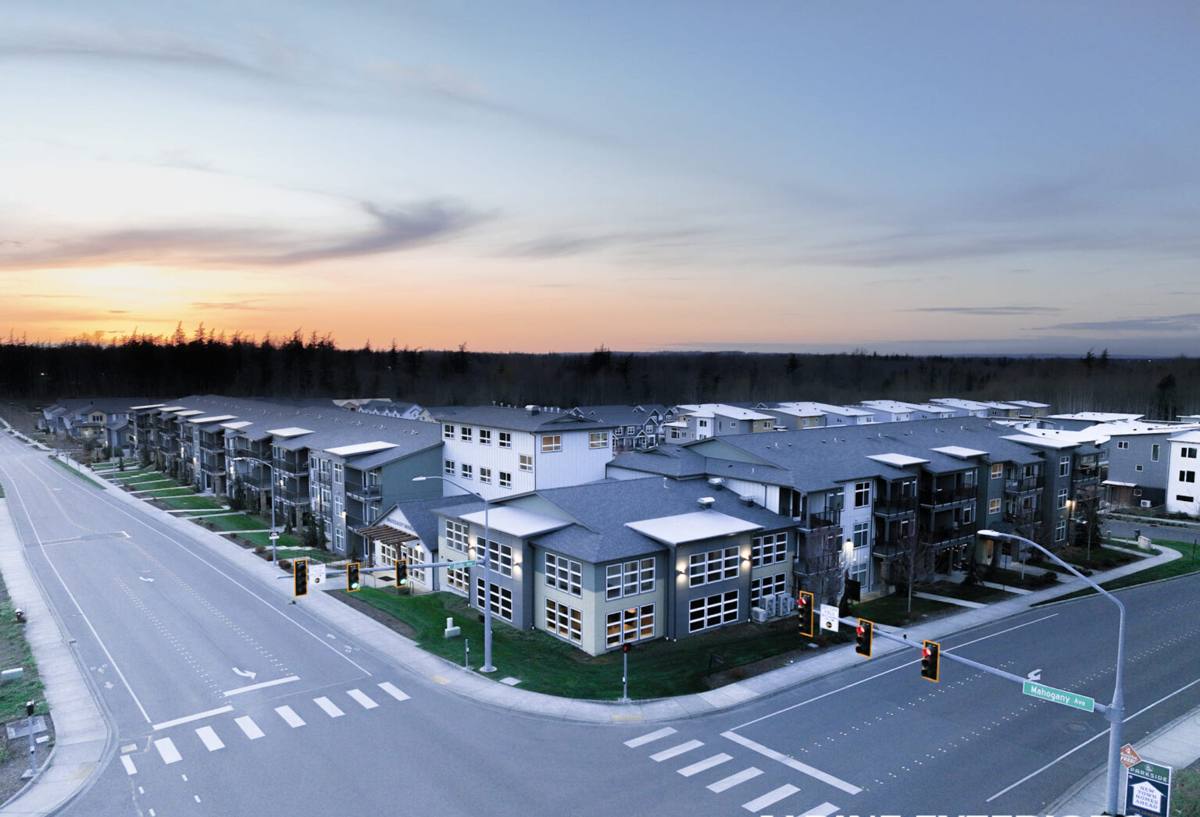
Signs a Ferndale Roof Has Reached Replacement, Not Repair
Most homeowners call us after noticing one obvious problem — a stain on a ceiling, a shingle in the yard after a windstorm — but the roof is often further along than the single symptom suggests. A roofing inspection looks at the whole system: decking condition, flashing, ventilation, and how much moss and granule loss has already happened.
- Shingles are cupping, curling at the edges, or visibly bald of granules in patches
- Moss has established itself in mats rather than a light surface dusting
- Flashing around chimneys, vents, or valleys is rusted, lifted, or gapped
- You've had two or more leak repairs in different spots over the past few years
- The roof is 20+ years old and has never had a full tear-off
- Daylight or soft spots are visible in the attic when you check the decking
If two or more of these apply, a replacement is usually the more honest recommendation than another round of patching — repeated spot repairs on a roof that's structurally near the end of its life tend to cost more over a few years than doing the job right once.
What a Correct Roof Replacement Actually Involves
Tear-Off, Not Overlay
We don't recommend installing new shingles over an existing layer. Overlaying traps moisture against the old roofing, hides deck damage that needs to be addressed, and voids most manufacturer warranties outright. A full tear-off lets us actually see the condition of the roof deck before anything new goes down — which matters a lot in a climate where slow leaks can rot plywood without ever showing an obvious ceiling stain.
Deck Inspection and Repair
Once the old roofing is off, every section of decking gets checked for soft spots, delamination, and rot — common where moss has held moisture against the surface for years. Any compromised sheathing gets replaced before underlayment goes down. Skipping this step is one of the most common shortcuts in the trade, and it's the reason a "new roof" can still leak within a couple of years.
Underlayment Built for Wet Climates
In a region with this much sustained rainfall, we use synthetic or self-adhered underlayment rated for extended wet exposure, with extra ice-and-water shield membrane at eaves, valleys, and any low-slope transitions — the spots most likely to see wind-driven rain work its way backward under the shingle courses.
Flashing and Penetrations
Chimneys, skylights, plumbing vents, and roof-to-wall transitions are where the large majority of roof leaks actually start — not the open field of shingles. Correct flashing detail work, including step flashing and proper counter-flashing at walls, is what separates a roof that holds up for decades from one that needs attention every couple of years.
Ventilation
Balanced intake and exhaust ventilation keeps the attic close to outdoor temperature and humidity, which reduces condensation on the underside of the deck and slows ice formation in cold snaps. It also extends shingle life by reducing heat buildup in summer. A lot of older Ferndale homes were built with minimal or blocked ventilation, and correcting it during a replacement is one of the higher-value things we can do.
Choosing Roofing Materials for This Climate
There's no single "best" roofing material for every home — it depends on budget, roof pitch, and how much long-term maintenance you want to take on. Here's how the common options actually perform in a salt-air, high-moisture environment like Ferndale's.
| Material | Typical Lifespan Here | Moss/Moisture Behavior | Maintenance Burden |
|---|---|---|---|
| Architectural asphalt shingle | 20–30 years | Moderate moss resistance; benefits from zinc/copper strips | Low to moderate |
| 3-tab asphalt shingle | 15–20 years | Lower wind and granule durability in coastal exposure | Moderate |
| Standing seam metal | 40–50+ years | Sheds moss and moisture well; sheds snow and rain fast | Low |
| Composite/synthetic shingle | 30–50 years | Good moisture and moss resistance | Low |
Metal and composite options cost more upfront but ask less of you over time in exactly the conditions Ferndale sees the most of — persistent damp and moss pressure. Architectural asphalt remains a solid, budget-conscious choice as long as it's installed with proper ventilation and periodic moss control. We'll walk through the honest trade-offs for your specific roof rather than defaulting to one product.
What Drives the Cost of a Ferndale Roof Replacement
| Factor | Why It Matters |
|---|---|
| Roof size and complexity | More valleys, dormers, and penetrations mean more flashing labor |
| Deck condition | Rotted sheathing found during tear-off adds material and labor |
| Material choice | Asphalt, composite, and metal carry different material and install costs |
| Pitch and access | Steeper or harder-to-access roofs take longer and require more safety setup |
| Ventilation upgrades | Adding or correcting intake/exhaust vents is a worthwhile add during tear-off |
We won't quote a number without seeing the roof — anyone who does is either guessing or leaving room to pad the invoice once your old roofing is already off. What we can promise is a written estimate that breaks down what you're paying for, before any work starts.
Our Roof Replacement Process
- On-site inspection. We walk the roof and attic, check flashing, ventilation, and deck condition, and photograph anything worth discussing.
- Written estimate. A clear scope of work and price, with material options explained honestly — including where a cheaper option is genuinely fine and where it isn't.
- Scheduling around weather. Whatcom County rain doesn't cooperate with calendars, so we build in flexibility and protect the open deck if conditions shift mid-job.
- Tear-off and deck repair. Old roofing comes off completely; any compromised decking is replaced before we move forward.
- Underlayment, flashing, and shingle or metal installation. Done to manufacturer spec, not shortcuts, so the warranty is actually valid if you ever need it.
- Final walkthrough. We review the finished roof with you, including gutters, ventilation, and any cleanup.
Moss and Salt Air Don't Stop After the New Roof Goes On
A new roof resets the clock, but it doesn't remove Ferndale from Whatcom County. Moss spores are still in the air, and salt exposure is still a constant near the coast. A little ongoing attention keeps a new roof performing for its full expected life instead of showing the same problems again in half the time.
- Keep gutters and valleys clear of needles and debris, especially into fall
- Have moss growth treated before it establishes into mats, not after
- Trim back overhanging branches that keep sections of roof shaded and damp
- Schedule a quick visual check after major windstorms
None of this is intensive work, but skipping it is how a well-installed roof ends up looking neglected within a decade.
Why a Crew That Already Works in Ferndale Matters
Roofing technique that works fine in a dry climate can be the wrong call here. A crew that's used to Ferndale and the surrounding Whatcom County coastline already knows which underlayment specs make sense for this rainfall pattern, how much moss pressure to plan for on a north-facing slope, and which flashing details tend to fail first in salt air. That's not something you can fully substitute with a generic install checklist — it comes from doing the work in this specific climate, repeatedly, and seeing what holds up.
It also means faster, more realistic scheduling around local weather patterns, and a better read on what a given roof actually needs versus what's easiest to sell.
Get a Straightforward Estimate
If your roof is showing its age or you just want an honest read on how much life it has left, we're happy to take a look. The estimate is free, there's no pressure, and you'll get a clear explanation of what we find — use the form below to get started.