 Semiahmoo Siding
 Board & Batten Siding in Ferndale: A Distinct Look That Demands Precise Installation
Board and batten siding has become one of the most requested exterior looks in Ferndale, and it's easy to see why. The vertical lines read as clean and modern on newer builds, while on farmhouses and craftsman-style homes throughout Whatcom County, board and batten fits right in with the region's rural and coastal character. But the look is only half the story. Board and batten is a different animal from horizontal lap siding when it comes to how water moves across a wall, and Ferndale's weather does not forgive shortcuts in that department.
This page covers what board and batten siding actually needs to perform in Ferndale's specific conditions, what separates a correct installation from a good-looking one, and how our process works when we take on a board and batten project in this area.
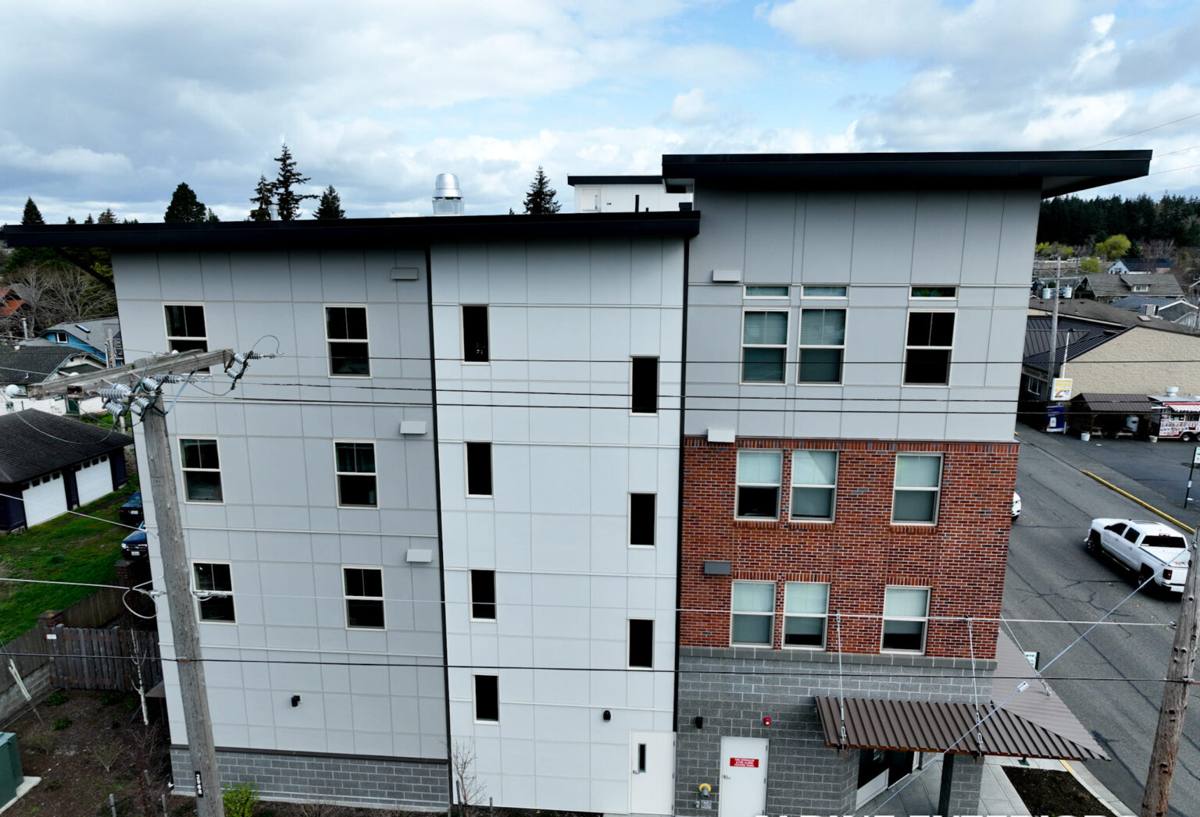
What Ferndale's Climate Does to Vertical Siding
Ferndale sits close enough to the Strait of Georgia and Semiahmoo Bay that salt-laden air is a real factor on exterior materials here, not a hypothetical one. Add in the steady driving rain that rolls through Whatcom County for much of the year, plus a long stretch of low sun and high humidity that keeps north-facing and shaded walls damp for weeks at a time, and you have a climate that stress-tests every seam, joint, and fastener on a home's exterior.
Board and batten siding is more vulnerable to these conditions than standard lap siding for one simple reason: it relies on vertical joints and batten strips to shed water, rather than the natural overlap you get from horizontal boards. Every vertical seam is a potential path for wind-driven rain to get behind the siding if it isn't installed with the right clearances, flashing, and fastening pattern. In a drier inland climate, a sloppy vertical joint might go unnoticed for years. In Ferndale, with salt air accelerating corrosion on exposed fasteners and moisture sitting in poorly ventilated cavities, the same mistake shows up much sooner — as staining, soft spots, or the dark green-black moss growth that's common on north- and west-facing walls throughout the county.
None of this means board and batten is a bad choice for a Ferndale home. It means the installation details matter more here than they would somewhere drier, and the material has to be able to handle sustained moisture exposure without breaking down.
Moss Season and Vertical Siding
Whatcom County's moss season runs long — shaded, north-facing walls and anything near overhanging trees stay damp far longer than sun-exposed walls. On board and batten, moss and algae tend to establish first in the shadow line where the batten overlaps the panel, since that seam holds moisture longer than a flat surface. Material choice and finish quality both affect how much of a foothold moss actually gets, which is part of why we don't treat this as a cosmetic detail.
Why Board and Batten Requires More Precision Than Lap Siding
With lap siding, gravity does a lot of the work — each board overlaps the one below it, so water is shed downward and outward almost automatically. Board and batten flips that logic. The battens cover the vertical seams between panels, which means the water management is happening at a joint that runs straight up the wall instead of along it. Get the batten placement, fastening, or gap spacing wrong, and you've built a channel that can funnel water inward instead of shedding it.
A few things that matter specifically on board and batten jobs that don't come up the same way on lap siding:
- Panel-to-batten overlap: too little overlap and wind-driven rain gets under the batten; too much and the assembly can trap moisture against the panel face.
- Fastener placement: battens have to be fastened in a way that doesn't restrict the panel's ability to expand and contract, or you get cracking and popped fasteners over time.
- Vertical joint treatment: where panels meet end-to-end vertically, those joints need proper flashing or J-blocking — not just caulk, which fails faster than a mechanical flashing detail in a wet climate.
- Bottom termination: the bottom edge of board and batten needs a drip edge and adequate clearance from grade, decks, and roof lines so water isn't wicking up into the material.
Every one of these is a place where an installer who's used to knocking out lap siding, but hasn't done a lot of board and batten, can make a mistake that looks fine on installation day and causes a problem two or three wet seasons later.
James Hardie Board and Batten: The System We Install
We install James Hardie fiber cement exclusively, and board and batten is one of the places where that decision matters most. Fiber cement doesn't absorb and swell with moisture the way engineered wood or primed wood products can, and it doesn't degrade from repeated wet-dry cycling the way some vinyl systems do at the seams over time. For a vertical siding profile in a climate like Ferndale's, that stability is the difference between a wall system that stays tight for decades and one that needs early touch-up work.
Hardie offers board and batten in a couple of configurations, and which one makes sense depends on the home:
| System | How It Works | Best Fit |
|---|---|---|
| Panel & Batten | Large fiber cement panels installed vertically, with individual battens fastened over the seams | Full board and batten exteriors, new construction, larger wall sections |
| Artisan Board & Batten | A premium, thicker-profile plank system designed for a more dimensional, high-end vertical look | Feature walls, gables, entryways, homes where a more custom appearance is the goal |
Both come through Hardie's factory-applied ColorPlus finish process, which matters specifically in a salt-air environment — the finish is baked on and warranted against fading and chipping in a way that field-applied paint isn't. On a vertical profile with a lot of visible seams and shadow lines, a consistent factory finish also just looks better over time than touched-up field paint.
What a Correct Installation Actually Involves
The visible part of board and batten — the panels and battens themselves — is maybe half the job. The part that determines whether it holds up in Ferndale's weather is mostly hidden once the project is done.
| Step | Why It Matters Here |
|---|---|
| Weather-resistive barrier, correctly lapped | Backstops any moisture that does get past the siding — critical given the region's rain volume |
| Rainscreen / drainage gap behind panels | Lets incidental moisture drain and the wall assembly dry out between rain events, rather than staying damp for weeks |
| Flashing at all penetrations and horizontal transitions | Windows, doors, and roof-to-wall junctions are the most common failure points on any siding system, board and batten included |
| Batten fastening per manufacturer spec | Prevents cracking and fastener pop from expansion/contraction and wind load off the water |
| Proper clearance at grade, decks, and roofs | Keeps the bottom edge of the siding out of standing moisture and splashback |
Before we start any board and batten project, we walk the specific factors that affect that home:
- Which walls face prevailing wind and driving rain
- Which walls stay shaded and are most exposed to moss and algae growth
- Condition of the existing sheathing and weather barrier underneath the current siding
- Grade, drainage, and any spots where water pools near the foundation
- Roof lines, decks, and other transitions that need flashing detail
Our Process for Ferndale Board & Batten Projects
Every project follows the same sequence, whether it's a full re-side or a board and batten feature wall on an addition:
- On-site assessment: we look at the whole wall assembly, not just the surface siding, and flag any moisture damage or ventilation issues before quoting the job.
- System selection: panel & batten versus Artisan, batten spacing, and color are decided based on the home's style and the walls that need it most.
- Tear-off and inspection: once old siding comes off, we check sheathing condition and correct anything compromised before anything new goes on.
- Weather barrier and drainage plane: installed per manufacturer spec, with attention to how it integrates with existing flashing.
- Panel and batten installation: fastened and spaced to Hardie's published specifications, not shortcuts based on what's faster.
- Final detailing: caulking at appropriate joints only (not as a substitute for flashing), touch-up where needed, and a walkthrough of the finished work.
Cost Factors for Board & Batten Siding in Ferndale
Board and batten costs more per square foot to install than standard lap siding, mostly because of the extra labor in batten fastening and detail work. Actual pricing depends on the specifics of a given home, but the main variables are:
| Factor | Impact on Cost |
|---|---|
| Full re-side vs. accent wall | Full exteriors cost more overall but often have better cost-per-square-foot pricing than small accent areas |
| Existing wall condition | Sheathing repair or added ventilation adds cost but avoids problems later |
| Panel & Batten vs. Artisan | Artisan's thicker, more dimensional profile carries a higher material cost |
| Home height and complexity | Multi-story sections, dormers, and cut-up rooflines increase labor time |
| Trim and detail work | Corner boards, window trim, and transitions add finish-carpentry time |
We provide itemized, honest quotes rather than a flat per-square-foot number pulled out of thin air, because two homes with the same square footage can have very different labor requirements once you factor in wall condition and detailing.
Why a Crew That Already Works Ferndale Matters
Board and batten installation isn't just about following a spec sheet — it's about applying that spec correctly to the conditions a specific wall faces. A crew that regularly works in and around Ferndale already has a working sense of which wall orientations in this area tend to take the worst of the driving rain, which sites stay shaded long enough to grow moss fast, and how salt air affects fastener choice and finish longevity over time. That's not something you get from a general contractor doing their first vertical-siding job in the area, and it's not something a manufacturer's install guide can fully substitute for either.
It also matters for follow-through. A contractor based in the region is available for a warranty question or a maintenance check years down the line — not just for the install and then gone.
Maintenance and Longevity in This Climate
Fiber cement board and batten, installed correctly, is low-maintenance — but "low" doesn't mean "none," especially in a coastal, high-moisture climate like Ferndale's. A short annual routine goes a long way:
- Rinse salt residue and grime off the siding once or twice a year, especially on walls facing the water
- Check shaded and north-facing walls for early moss or algae growth and address it before it spreads
- Keep gutters clean and downspouts directed away from the foundation to reduce splashback onto lower siding courses
- Trim back vegetation and tree limbs that keep any wall section shaded and damp
- Inspect caulking at trim and penetrations every couple of years and touch up as needed
Done consistently, this kind of upkeep is what lets a correctly installed Hardie board and batten exterior go the distance in Whatcom County's weather rather than showing its age early.
If you're weighing board and batten siding for a home in Ferndale, we're happy to walk the property, look at your specific wall exposures, and put together a straightforward, no-pressure estimate — just use the form below to get started.