 Semiahmoo Siding
 Building a Deck That Actually Holds Up in Semiahmoo Resort
Semiahmoo Resort sits right where the marine air meets the mainland, and that location is exactly why decks here fail faster than decks fifteen miles inland. A deck built to a generic spec sheet might look fine for a year or two, but the combination of salt-laden wind off the bay, sustained driving rain through fall and winter, and a moss season that can run five or six months out of the year will find every weak point in the build. Expert deck building for this neighborhood isn't about upgrading to fancier materials for the sake of it — it's about matching the structure, the fasteners, and the finish to the specific conditions this stretch of Whatcom County throws at it.
We've built and repaired decks throughout the Semiahmoo Resort area long enough to know which details matter and which ones are just upsells. This page walks through what a correctly built deck looks like out here, what our process involves, and why the small decisions — the ones you can't see once the deck is finished — end up being the difference between a deck that lasts twenty-plus years and one that needs major repair in eight.
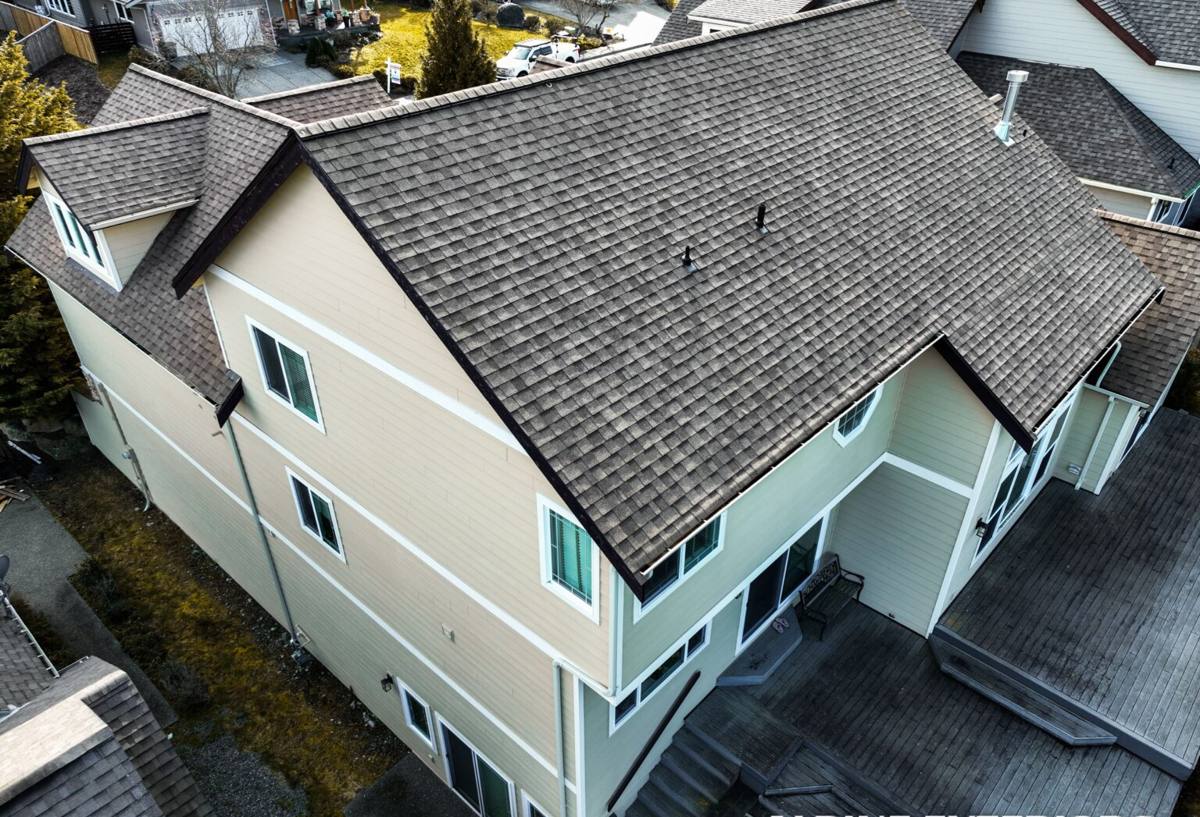
What Salt Air, Rain, and Moss Actually Do to a Deck
Each of these three factors attacks a different part of the structure, and a deck built without accounting for all three will show damage in a predictable order.
Salt Air and Corrosion
Airborne salt from Semiahmoo Bay accelerates corrosion on any exposed metal — screw heads, joist hangers, bolts, and railing hardware. Standard electro-galvanized fasteners can start showing rust streaks within a couple of seasons this close to the water. Once a fastener corrodes, it loses holding strength long before it looks obviously bad, which is why so many older decks in this area develop wobbly railings or squeaky boards that seem to come out of nowhere.
Driving Rain and Trapped Moisture
Whatcom County's winter storms don't just rain straight down — wind-driven rain gets pushed sideways into ledger connections, under railing posts, and into any gap where end grain is exposed. Wood and composite decking both handle moisture fine when it can dry out between storms. The problem is when water gets trapped against a house wall, inside a post base, or under a poorly flashed ledger board, because that's where rot and hidden structural damage actually start.
Moss and Prolonged Dampness
A long moss season means shaded or north-facing sections of a deck can stay damp for weeks at a stretch. Moss itself isn't what destroys decking, but it holds moisture against the board surface far longer than open air would, which speeds up wood decay and makes composite surfaces slick and slippery underfoot if they're not built with adequate drainage and airflow underneath.
Choosing Decking Material for a Semiahmoo Resort Property
There isn't one correct decking material for every home — it depends on budget, how much maintenance you want to do, and how exposed the deck is to weather. Here's how the common options stack up specifically for this coastal, high-moisture environment.
| Material | How It Handles This Climate | Maintenance | Typical Lifespan Here |
|---|---|---|---|
| Pressure-treated fir/hem-fir | Affordable, but end grain and cut edges need re-sealing regularly or moisture gets in | Annual cleaning and re-staining/sealing | 10-15 years with consistent upkeep |
| Cedar | Naturally rot-resistant and handles rain well, but still needs protection from prolonged moss/damp exposure | Cleaning plus periodic oil or sealer | 15-20 years with upkeep |
| Composite decking | Resists moisture and rot well; needs correct airflow underneath to avoid trapped dampness and mold on the underside | Occasional washing; no staining/sealing | 20-30 years, manufacturer-dependent |
| PVC decking | Fully synthetic, handles salt air and moisture with minimal issue; higher upfront cost | Washing only | 25-30+ years |
We won't push composite or PVC on every job — a well-built cedar deck with the right sealing schedule is still a solid, honest choice for a lot of homeowners. What we will always insist on is getting the substructure and drainage right underneath whichever surface material you pick, because that's what actually determines how long the deck lasts.
Framing and Substructure: The Part That Determines Everything Else
The decking boards get all the attention, but the framing underneath is what fails first when it's built wrong. In this climate, we treat the substructure as the priority, not an afterthought.
- Joists and beams: We use properly rated pressure-treated or naturally durable lumber sized for the actual span and load, not undersized to save material cost.
- Post footings: Footings are set below frost depth and sized to local code, with post bases that keep wood off standing water rather than embedded directly in concrete.
- Joist protection: Cut ends and drilled holes get sealed before installation — untreated cut edges are one of the most common places rot starts on decks out here.
- Airflow underneath: Adequate clearance and spacing under the deck keeps air moving so moisture from rain and moss-prone shade doesn't just sit against the framing.
Railings, Fasteners, and Hardware Built for Salt Air
Hardware is where corner-cutting shows up fastest in a marine environment. We spec stainless steel or coated corrosion-resistant fasteners and connectors for Semiahmoo Resort builds rather than standard-grade hardware, because the cost difference is small relative to what it costs to fix a railing post that's failed at its base connection. Joist hangers, structural screws, and any hardware in direct or near-direct salt air exposure get the same treatment. Railings themselves are attached with blocking and fasteners sized to actually resist lateral load — a railing that feels solid when you lean on it during installation but was fastened with standard deck screws into thin blocking is a liability, not a finished product.
Drainage, Ledger Attachment, and Waterproofing Details
Most serious deck failures we see in this area trace back to one of two places: the ledger board connection where the deck meets the house, or poor drainage that lets water pool instead of shed.
Ledger Flashing
The ledger board bolted to the house needs proper flashing that directs water away from the house wall rather than letting it wick behind the siding. This is invisible once the deck is built, which is exactly why it's the detail most likely to get skipped by a crew trying to move fast.
Surface Drainage and Board Spacing
Board gapping needs to account for the material's expansion and contraction plus the volume of rain this region gets — too tight and water sits on the surface and around fasteners; too wide and the deck feels rough underfoot and traps debris. For decks over living space or with limited underneath ventilation, we can also discuss under-deck drainage systems that channel water off the structure entirely.
Our Deck Building Process
We keep the process straightforward and give you real information at each step rather than a sales pitch.
- On-site assessment: We walk the property, look at sun/shade exposure, wind direction, drainage patterns, and how the deck will connect to the house.
- Design and material discussion: We talk through decking material, railing style, and layout honestly — including trade-offs on cost and maintenance for your specific site conditions.
- Written estimate: A clear scope and price before any work starts, no vague allowances hiding the real cost.
- Permitting: We handle the local permit process where required so the structure is inspected and code-compliant.
- Build: Footings, framing, decking, and railings installed in sequence, with the substructure details covered above built in from the start, not added as an afterthought.
- Final walkthrough: We go over the finished deck with you, including what maintenance it needs and on what schedule.
Deck Maintenance Checklist for Semiahmoo Resort Homes
A well-built deck still needs some seasonal attention in this climate. This is roughly what we recommend to homeowners after a build:
- Sweep debris and standing leaves off the surface regularly, especially in shaded areas prone to moss
- Rinse salt residue off railings and hardware a few times a year, particularly after storms
- Check for soft or spongy spots on wood decking each spring
- Re-seal or re-stain wood decking on the schedule recommended for the specific product used
- Keep gutters and downspouts near the deck clear so runoff isn't dumping extra water onto the structure
- Have fastener and railing connections checked every year or two, since corrosion issues aren't always visible from the surface
Why Hire a Crew That Already Works in Semiahmoo Resort
A deck contractor who mostly builds inland, in a drier or less salt-exposed part of Whatcom County, may not default to the fastener grade, flashing detail, or drainage planning this location actually needs — not because they're careless, but because it simply isn't the standard problem they're solving for every day. Working regularly in Semiahmoo Resort means we've already seen how decks in this specific microclimate age, which parts fail first, and which upfront decisions prevent those failures. That local pattern recognition is worth as much as any specific product choice.
If you're planning a new deck or replacing one that's showing its age, we're happy to come take a look and give you a straightforward, no-pressure estimate — just fill out the form below and we'll get in touch.