 Semiahmoo Siding
 Fiber Cement Siding, Built for Blaine's Exposure
Blaine sits at the northern edge of Whatcom County, close enough to Semiahmoo Bay and Drayton Harbor that salt air, wind-driven rain, and a moss season that barely takes a break are just normal conditions for a house exterior here. Fiber cement siding is a good match for that environment when it's the right product line, installed correctly. When it isn't, the same climate that makes Blaine such a nice place to live is exactly what finds the gaps in a rushed or undersized installation.
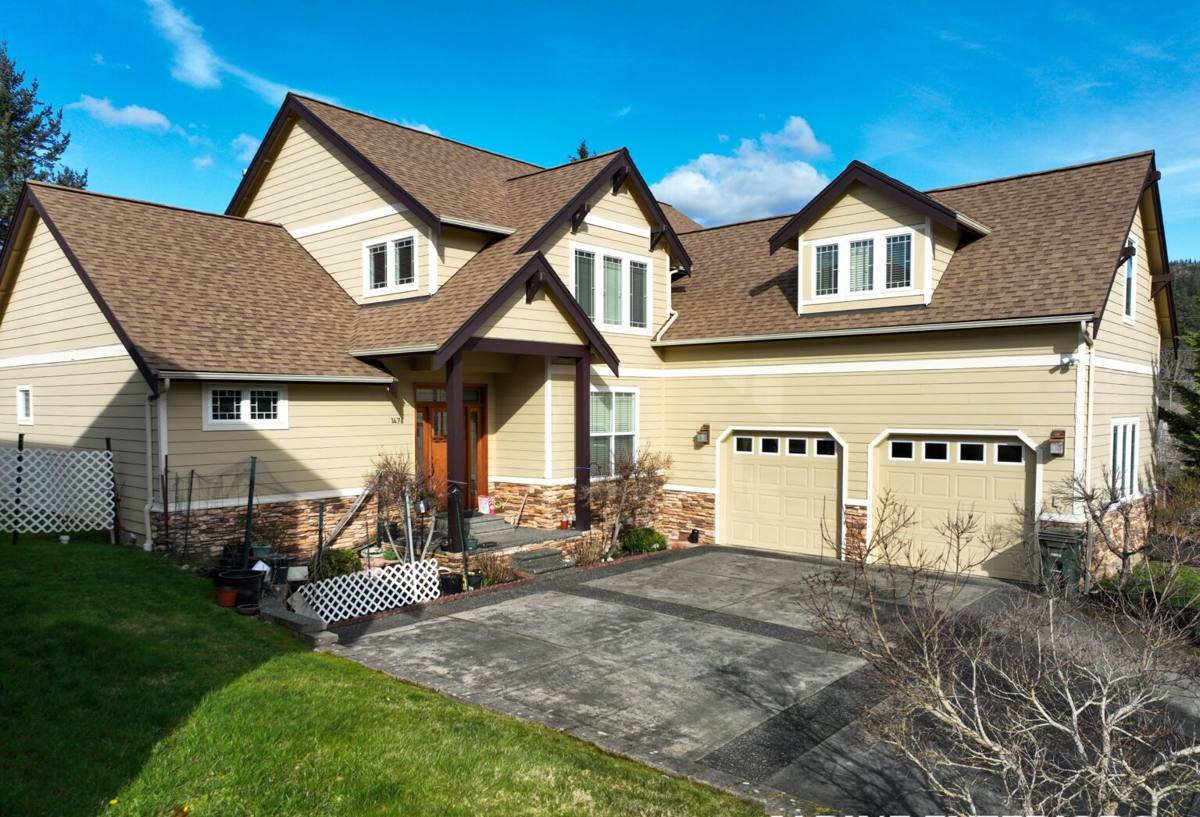
This page is about one service in one area: James Hardie fiber cement siding installed on homes in and around Blaine. We install James Hardie exclusively — no LP SmartSide, no vinyl, no Cemplank, no Allura, no primed spruce, no cedar. That's a professional standard built from watching how different siding materials actually hold up on tear-offs and service calls in this specific climate, not a preference pulled off a supplier price sheet.
What Blaine's Climate Asks of a Siding Job
Salt Air Off the Bay
Homes anywhere near Semiahmoo Bay or Drayton Harbor take a steady dose of salt-laden air, and that air is hard on more than just the visible siding surface. It accelerates corrosion in fasteners, flashing, and any exposed metal trim, and it breaks down lower-quality paint finishes faster than a drier inland climate would. A siding job in Blaine has to account for that corrosion risk in the hardware choices, not just the panel material.
Driving Rain, Not Just Rainfall
Storms moving in off the water rarely drop straight down here. Wind pushes rain sideways into wall assemblies, window and door flashing, and the joints where trim meets field siding. That sideways load is a different problem than total rainfall — it's exactly the kind of moisture that exploits a butt joint that wasn't caulked, a J-channel that wasn't flashed, or a clearance gap that got skipped to save time.
A Moss Season That Runs Most of the Year
Mild temperatures and near-constant moisture add up to a moss and mildew season that can run close to year-round on shaded or north-facing walls in Blaine. Any siding surface with even a little porosity becomes a growth surface over time, especially on tree-shaded lots or walls that don't see much direct sun through the fall and winter.
Why Fiber Cement Fits This Climate
Fiber cement is a cement, sand, and cellulose fiber composite, and that composition is what makes it behave differently from wood-based or vinyl siding in a wet, salty climate. It doesn't absorb and release moisture the way wood-based products do, so it isn't prone to the swelling, cupping, and warping that shows up on engineered wood siding after repeated wet-dry cycles. It also won't soften, distort, or crack under UV and temperature swings the way vinyl can over a long service life.
That said, "fiber cement" isn't one uniform product across the industry, and the differences between brands and formulations matter more in a climate like Blaine's than they would somewhere dry and mild. We install James Hardie specifically, for reasons that come directly from this region's weather:
- Non-combustible core: Fiber cement doesn't feed a fire the way wood-based siding products can, which matters for both safety and insurance considerations.
- Factory-applied ColorPlus finish: The color is baked on under controlled factory conditions rather than brushed on in the field, so it holds its finish longer against fading, chalking, and moisture exposure than field-applied paint.
- Climate-engineered HZ formulation: Hardie's HZ5 product line is engineered for regions with sustained moisture and freeze-thaw cycling, which describes coastal Whatcom County well.
- Dimensional stability: The panels hold their shape and fit through repeated wet seasons instead of gradually loosening at the joints.
- Strong transferable warranty: Hardie backs the product with one of the stronger warranty structures in the industry, provided the installation follows their published spec.
We won't install LP SmartSide, vinyl, Cemplank, Allura, primed spruce, or cedar. Each has a place in the market and homeowners who are satisfied with them in the right setting. In a town with this much direct salt and moisture exposure, though, we've made a professional call to install one system we fully stand behind rather than offer something cheaper that quietly shifts maintenance risk onto the homeowner a few years down the road.
What Correct Installation Involves
Hardie siding only performs the way it's engineered to when the installation follows the manufacturer's spec, and in a climate like Blaine's, skipped details show up faster than they would somewhere milder. The basics we won't cut corners on:
- Correct fastener type, length, and spacing — corrosion-resistant hardware is not optional this close to the water
- Proper clearance from grade, roofs, decks, and other horizontal surfaces to keep panels from sitting in standing moisture
- A drainage plane or rain-screen gap behind the siding so any moisture that does get past the surface can drain and dry instead of sitting against the wall sheathing
- Correctly lapped, sealed flashing at every window, door, and roof-to-wall transition — the exact spots where driving rain finds its way in
- Factory-mitered or properly caulked joints at corners and trim, rather than field cuts left exposed to weather
A Hardie panel installed loosely, without that flashing and clearance attention, will still develop moisture problems in this climate. The material is only as good as the installation behind it, which is why the crew doing the work matters as much as the brand on the panel.
Our Process for a Blaine Siding Project
We start with an on-site walk of the existing exterior, looking specifically at how the current siding has handled moisture and salt exposure — where paint has failed early, where trim has stayed damp, where moss has taken hold. That tells us more about a house's real condition than a quick look from the curb. From there we put together a clear, written scope covering the siding system, trim details, flashing plan, and any sheathing or moisture issues found underneath the old material, along with a realistic timeline before any work starts.
During installation, flashing, drainage detailing, and corrosion-resistant fastening are treated as standard practice on a Blaine home, not as upgrades. We also walk homeowners through Hardie's color and profile options up front, since ColorPlus finishes are chosen and ordered specifically for the job rather than pulled from a generic stock list.
Comparing Siding Options for a Blaine Home
| Material | Moisture Behavior in This Climate | Maintenance Near Salt Air | Typical Longevity Here |
|---|---|---|---|
| James Hardie fiber cement | Dimensionally stable, resists swelling and warping | Low; factory finish resists fading and chalking | 30+ years with correct installation |
| Vinyl siding | Can distort or become brittle with sun and temperature swings | Low upfront, but seams and fasteners are exposure points | Variable; often shorter in exposed, wind-heavy spots |
| LP SmartSide / engineered wood | Wood-based core is moisture-sensitive at cut edges and joints | Moderate; edge sealing and caulk maintenance matter | Depends heavily on how well it was installed and maintained |
| Cedar / primed wood | Absorbs and releases moisture readily | High; regular refinishing needed in wet, salty air | Shorter without consistent, ongoing upkeep |
Why a Crew That Already Works Blaine Matters
A contractor who regularly works Blaine already knows how this town's exposure differs from more sheltered, inland parts of Whatcom County — which walls take the worst of the wind-driven rain, which lots hold moss longest, where salt air does the most damage to hardware. That familiarity shows up in the small decisions on a job: which fastener grade gets used, how much clearance gets left at grade, where extra flashing or drainage detailing gets added even though the plans don't strictly require it. Those are exactly the details that decide whether a siding job lasts one wet season or several decades.
It also matters for accountability. A crew that's going to be doing service calls and repairs in this same town for years has every incentive to install the job correctly the first time, rather than move on to the next town before problems show up.
A Simple Checklist Before Hiring for Siding Work in Blaine
- Ask what siding material and product line they install, and why — and get a straight answer, not a sales pitch
- Confirm current Washington contractor licensing and active liability insurance
- Ask specifically how they detail flashing at windows, doors, and roof-to-wall transitions for wind-driven rain
- Ask about fastener and hardware corrosion resistance for a salt-air setting
- Get a clear, written scope of work — including trim, flashing, and any sheathing repairs — before signing anything
If you're weighing siding options for a Blaine home, we're glad to walk the exterior with you and give an honest read on what it actually needs. Reach out below for a free, no-pressure estimate.