 Semiahmoo Siding
 Roofing in Blaine Is Not a Generic Job
Blaine sits right on the water at the northwest corner of Whatcom County, tucked against the Semiahmoo Bay and the Canadian border. That location is part of what makes the neighborhood a great place to live, and it's also exactly why roofs here take a different kind of beating than roofs twenty miles inland. Salt-laden air off the bay, long stretches of driving rain, and a moss season that can run most of the year all work on a roof at the same time. An asphalt shingle roof installed the way a catalog says to install it, without accounting for any of that, tends to show its age early. One installed by a crew that actually works this shoreline holds up the way it's supposed to.
This page covers what asphalt shingle roofing looks like when it's done right for a Blaine home specifically — not roofing in general, and not roofing for a dry inland climate with different problems.
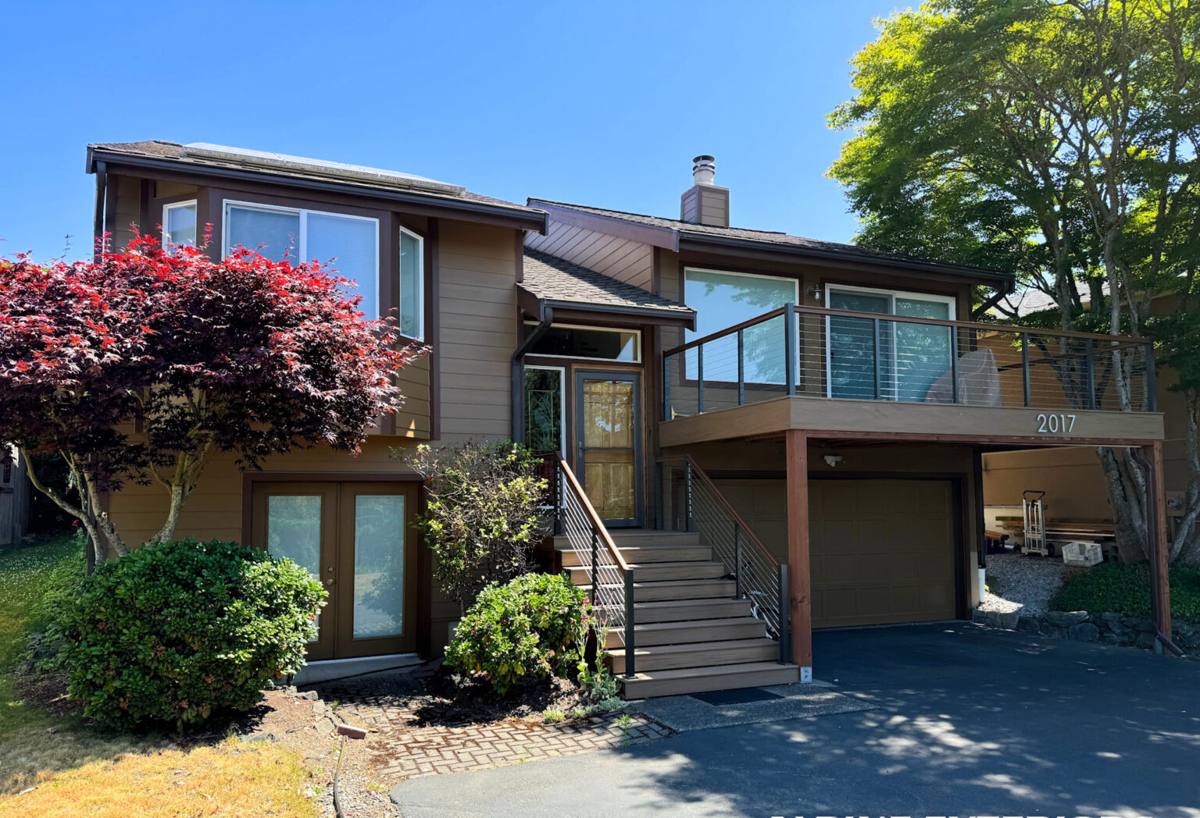
What This Climate Actually Does to a Shingle Roof
Salt Air and Metal Components
Every asphalt shingle roof depends on metal in places most homeowners never look: flashing around chimneys and skylights, valley metal, drip edge, and the fasteners holding everything down. Salt-carrying air off Semiahmoo Bay accelerates corrosion on standard-grade metal and fasteners faster than it would a few miles east. Over years, that corrosion is what causes flashing to fail quietly at a seam long before the shingles themselves look worn out.
Driving Rain and Wind-Driven Water
Rain here often doesn't fall straight down. Wind off the water pushes it sideways under shingle tabs, into valleys, and against vertical transitions like walls and dormers. A roof that would be fine in calmer weather can leak at exactly those spots if the underlayment, valley treatment, and flashing weren't installed with that wind pattern in mind.
Moss and Organic Growth
Cool, damp, and shaded conditions for much of the year make Whatcom County prime territory for moss, algae, and lichen on roofing. Moss doesn't just look bad — it holds moisture against the shingle surface, works its way under tabs as it grows, and can lift shingles enough to let water in. North-facing slopes and roofs shaded by mature trees are the most exposed, which describes a lot of Blaine's tree-lined lots.
What a Correctly Installed Roof Includes Here
An asphalt shingle roof is a system, not a single product. In this climate, every layer of that system matters more than it would somewhere drier and calmer.
- Ice-and-water shield at eaves, valleys, and penetrations — a self-adhered membrane that seals around nail penetrations, critical where wind-driven rain works its way under shingles.
- Synthetic underlayment across the full deck as a second line of defense, not just felt paper that degrades faster under repeated wet-dry cycling.
- Corrosion-resistant flashing at chimneys, skylights, sidewalls, and valleys — metal specified for coastal exposure, not the minimum-grade option.
- Balanced intake and exhaust ventilation so the attic doesn't trap moisture that condenses on the underside of the deck.
- A shingle line with an algae-resistant (AR) rating to slow moss and algae growth, since this climate will test that rating more than most.
- Wind-rated installation — correct nail count and placement per shingle, not a faster pattern that meets the letter of the warranty but not the spirit of it.
Skip any one of those and the roof will probably still look fine for the first year or two. The problems this climate causes tend to show up slowly, which is exactly why cutting a corner here is easy to get away with short-term and expensive to live with long-term.
Signs a Blaine Roof Is Due for a Closer Look
Most asphalt shingle roofs don't fail all at once — they give warning signs first. Worth checking for, especially after fall storms or during heavy moss season:
- Granules collecting in gutters or at downspout outlets, which signals the shingle surface is wearing down
- Moss visible on north-facing slopes or anywhere shaded by trees
- Shingle tabs that look cupped, curled, or lifted at the edges
- Dark streaking that doesn't wash off with normal rain — often algae rather than dirt
- Rust staining below flashing at chimneys, skylights, or valleys
- Soft spots, sagging, or visible daylight in the attic near the roofline
- Water stains on interior ceilings, even faint ones, especially after a windy rainstorm
Any one of these on its own isn't necessarily an emergency. Several at once, or anything involving the attic or interior ceilings, is worth having looked at before the next storm cycle rather than after.
How Our Process Works
1. On-Site Assessment
We walk the roof and the attic, not just the roof. Deck condition, existing ventilation, flashing condition, and moss patterns tell us more about what a Blaine roof needs than a drive-by estimate from the ground ever could.
2. A Written Scope, Not a Verbal Estimate
You get a written breakdown of what's being torn off, what underlayment and flashing are going in, the shingle line and rating, and the ventilation plan. If something needs to change once the old roof is off — a soft spot in the deck, for example — we stop and tell you before covering it up, not after.
3. Tear-Off and Deck Inspection
Full tear-off to the deck on most jobs, because layering new shingles over old ones traps moisture and hides deck problems — a bad trade-off in a climate this wet. Any damaged or soft decking gets replaced, not covered.
4. Underlayment, Flashing, and Ventilation First
Everything that actually keeps water out goes in before a single shingle is laid: ice-and-water membrane at vulnerable areas, underlayment across the field, new flashing where the old flashing is corroded or undersized, and intake/exhaust ventilation sized to the attic.
5. Shingle Installation to Wind-Rated Spec
Correct exposure, correct nail pattern, correct nail count — the details that determine whether a roof holds through a real windstorm off the bay or loses shingles in the first hard blow.
6. Walkthrough and Cleanup
We walk the finished roof and the property with you, including a magnetic sweep for stray nails, before calling the job done.
Asphalt Shingles Compared to Other Roofing in This Climate
Asphalt shingle roofing isn't the only option, and it isn't automatically the right one for every home. Here's how it stacks up against other roofing types commonly seen around Whatcom County's coastal areas.
| Roofing Type | How It Handles Salt Air & Moss | Ongoing Maintenance |
|---|---|---|
| Architectural (laminate) asphalt shingle | Good with AR-rated products and proper ventilation; heavier profile sheds wind-driven rain well | Periodic moss removal and gutter checks; moderate |
| 3-tab asphalt shingle | Lighter profile, lower wind rating; more exposed to wind-driven rain at tab edges | Similar moss upkeep, shorter service life in this climate |
| Standing seam metal | Sheds moss and water very well; needs coastal-grade fasteners and coatings to resist salt corrosion | Low, but repairs and color-match work require a specialist |
| Cedar shake or shingle | Attractive but holds moisture longer, which speeds moss and rot in a wet marine climate | Higher — regular treatment and closer inspection needed |
For most Blaine homes, a quality architectural asphalt shingle with an algae-resistant rating and proper ventilation gives the best balance of upfront cost, appearance, and how well it actually performs against salt air and moss. We'll tell you honestly if your home's roof shape, shading, or slope points toward a different option instead.
Ventilation and Moisture: The Part That Gets Skipped
A shingle roof can be installed perfectly on the outside and still fail early from the inside. Attics that don't vent properly trap warm, moist air against the underside of the roof deck, especially through the wet months. That moisture condenses, softens the deck over time, and shortens the life of the shingles above it — none of which is visible from the ground or even from inside the attic until it's fairly advanced.
Balanced ventilation means enough intake at the eaves and enough exhaust at or near the ridge, sized to the attic's actual square footage. We check this on every roof, because it's one of the most common things left out of past roofing work we've seen on homes in this area, and it's one of the cheapest things to get right while the roof is already open.
Factors That Affect Your Estimate
| Factor | Why It Matters |
|---|---|
| Roof pitch and complexity | Steeper roofs and more valleys, dormers, or penetrations mean more labor and more flashing detail |
| Current layer count | A roof with an existing layer or two requires full tear-off, adding disposal and labor time |
| Deck condition | Soft or rotted decking found at tear-off needs replacement before shingles go on |
| Ventilation upgrades | Adding or correcting intake/exhaust venting is worth doing while the roof is open |
| Shingle line chosen | Algae-resistant, higher wind-rated, and heavier architectural lines cost more than basic 3-tab |
| Access and site conditions | Tree cover, tight lot lines, and staging space affect labor time on many Blaine properties |
We walk through these with you during the assessment so the number you get reflects your actual roof, not a generic per-square rate that ignores the details.
Why a Crew That Works Blaine Regularly Matters
Roofing crews that mostly work inland don't spend much time thinking about salt exposure, wind-driven rain off open water, or how aggressively moss grows under Whatcom County's cloud cover. That's not a knock on their skill — it's just not what they run into every week. A crew working Semiahmoo and Blaine regularly sees which slopes moss first, which flashing details actually leak in a real coastal windstorm, and which shingle products hold their algae resistance out here versus which ones underperform their rating. That familiarity shows up in fewer callbacks and a roof that's still doing its job a decade in, not just on install day.
Maintenance After Your Roof Is Installed
A correctly installed asphalt shingle roof in this climate still needs a small amount of upkeep to hit its full lifespan:
- Clear debris and needles from valleys and gutters at least twice a year, more often under overhanging trees
- Have moss treated or gently removed before it establishes rather than after it's visibly thick
- Keep gutters and downspouts flowing so water isn't backing up under the eave line
- Have flashing and attic ventilation checked every few years, since these are the components salt air and moisture work on hardest
- Address any interior ceiling staining right away rather than waiting for it to spread
None of this is difficult or expensive, but it makes a real difference in how long a roof actually lasts on a property this close to the water.
Get a Straightforward Estimate
If your Blaine home's roof is showing moss, granule loss, or you just want an honest read on where it stands, we're glad to take a look. The estimate is free, there's no pressure attached to it, and you'll get a clear written scope you can compare against anyone else's. Use the form below to get started.