 Semiahmoo Siding
 Storm Damage on the Semiahmoo Spit Is Its Own Problem
Semiahmoo Resort sits out on open water at the edge of Semiahmoo Bay, and that location cuts both ways. It's a beautiful place to own a home, but the roof over that home is doing a harder job than a roof three miles inland in Blaine or Birch Bay. Wind off the water hits with less to slow it down. Salt-laden air settles on every exposed surface, including your shingles, flashing, and fasteners. And the long, wet Whatcom County winter keeps everything damp long enough for moss to take hold. When a storm rolls through, it's not landing on a roof that was already in great shape — it's landing on a roof that's been getting worn down by salt air and moisture for months or years already.
That's the context we bring to every storm damage call out here. A repair that would be fine on a dry, inland roof isn't always the right call on a waterfront roof that's already been softened up by the marine environment. We look at storm damage on Semiahmoo Resort roofs with that history in mind, not just the immediate wind or hail event.
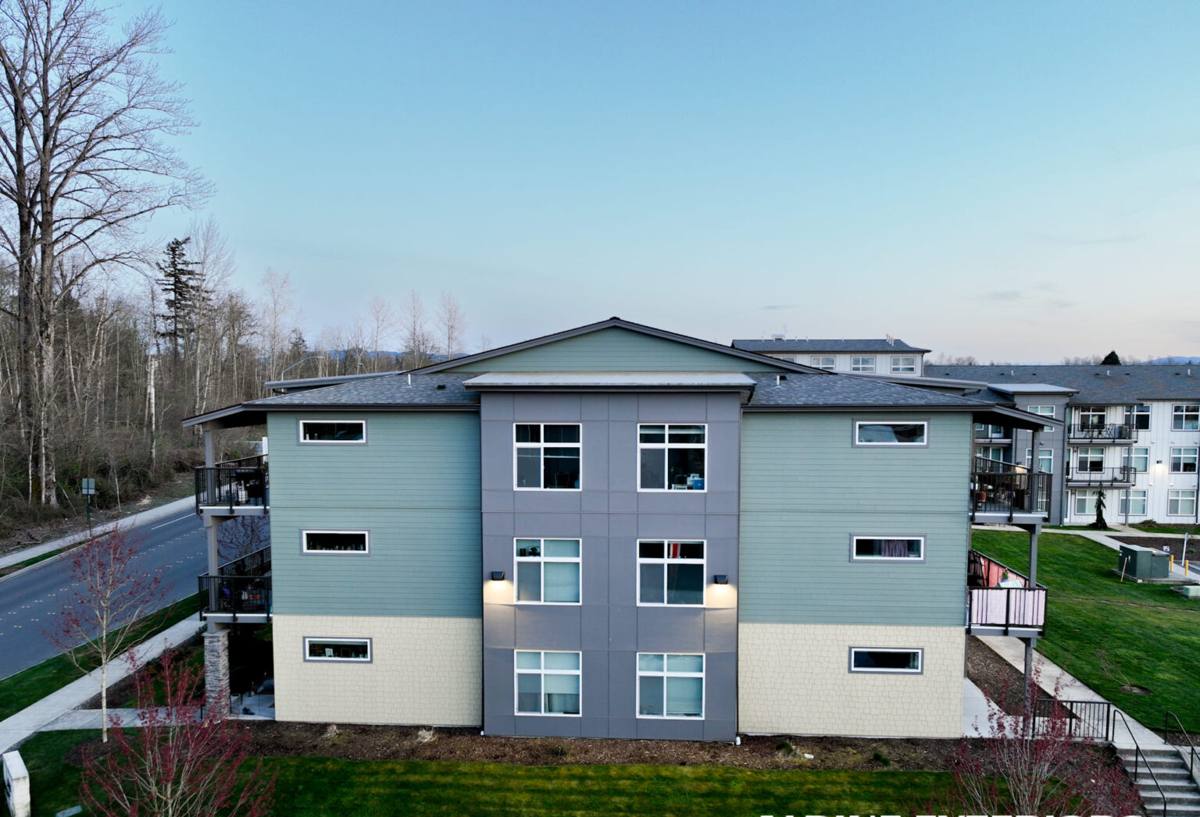
What Storm Damage Actually Looks Like on Semiahmoo Resort Roofs
Not all storm damage is obvious from the ground, and not all of it happens the moment the wind picks up. Some of the most common patterns we see on waterfront and near-waterfront roofs in this area include:
- Wind-lifted or creased shingles — the sealant strip breaks loose, the shingle lifts, and it may reseal crooked, crack, or blow off entirely in the next gust.
- Missing or damaged ridge cap shingles — the ridge takes the brunt of wind coming off the bay, so ridge caps are often the first thing to go.
- Granule loss from driving rain and windblown debris — this shows up as bare, shiny patches and accelerates aging even if there's no active leak yet.
- Flashing pulled loose around chimneys, skylights, and roof-to-wall transitions — a few millimeters of gap is enough to let driving rain in sideways.
- Fastener corrosion — salt air speeds up corrosion on exposed nail heads and metal flashing, which weakens the roof's grip during high wind well before a storm ever hits.
- Moss and algae damage that predates the storm — moss holds moisture against the roof deck, and a storm often just finishes the job moss started by loosening shingles that were already lifted at the edges.
A lot of homeowners assume storm damage means a hole in the roof or a tarp-worthy emergency. Often it's quieter than that — a handful of lifted shingles, a section of exposed underlayment, or flashing that's pulled just enough to let water track along the deck instead of running off the roof. That kind of damage can sit for weeks before it shows up as a stain on a ceiling.
Why Waterfront Exposure Changes the Picture
Homes closer to the open water on the Semiahmoo side take wind loads that inland Whatcom County homes simply don't. Roofing systems rated for standard wind exposure can still underperform in a spot this exposed if the original installation wasn't done with that in mind — tighter nailing patterns, proper starter strips, and correctly sealed ridge and hip lines matter more here than they would on a sheltered lot.
First Steps After a Storm
What you do in the first day or two after a storm affects both the repair and, if you're filing a claim, the insurance outcome.
- Do a ground-level visual check with binoculars if you can — don't get on the roof yourself, especially right after a storm when surfaces are wet and debris is scattered.
- Check attic spaces and ceilings for new water stains, damp insulation, or daylight showing through the roof deck.
- Take photos of any visible damage, debris on the ground (shingle pieces, granules in gutters), and damage to gutters, vents, or siding.
- If there's an active leak, a tarp over the affected area is a reasonable temporary measure — a full repair should still follow as soon as it's safe to get up there.
- Call your insurance company to open a claim if the damage looks significant, and get a roofer's assessment before repairs begin so the scope is documented.
We're glad to do a damage assessment before you've decided whether you're filing a claim. It costs you nothing to know what you're actually dealing with, and having a written assessment in hand makes the insurance conversation more straightforward either way.
What a Correct Storm Repair Actually Involves
A rushed storm repair is one of the more common ways a roof ends up with recurring leaks. Doing it right means more than nailing a few shingles back down.
Matching Materials, Not Just Covering the Gap
Shingles fade and granules wear unevenly over a roof's life, so a patch using new shingles next to old ones is never going to be invisible. We match as closely as the manufacturer's current product line allows, and we're upfront when an exact match isn't possible — sometimes the honest answer is that a section, or the whole slope, needs to be redone for the repair to look and perform right.
Checking the Deck, Not Just the Shingles
If water has been getting under the roofing for any length of time, the plywood or OSB deck underneath may be soft, delaminating, or stained. Nailing new shingles over a compromised deck doesn't hold — it just hides the problem until the next storm. Any real storm repair includes pulling back the damaged area far enough to check the deck, not just the surface layer.
Flashing Done Properly
Flashing failures are one of the most common causes of "mystery leaks" that show up well after a storm. Correct storm repair means re-bedding or replacing flashing at chimneys, walls, valleys, and penetrations — not just caulking over a gap and calling it fixed. Caulk is a short-term fix, not a repair.
Fastener and Ridge Detail
Given the wind and salt exposure at Semiahmoo Resort, we pay particular attention to fastener placement and ridge cap sealing during repairs, since these are the details most likely to fail again in the next storm if they're not done to spec.
Repair or Replace: How We Help You Decide
Storm damage doesn't always mean a full new roof, but sometimes it's the tipping point on a roof that was already near the end of its useful life. Here's how we think through that decision with homeowners:
| Factor | Leans Toward Repair | Leans Toward Replacement |
|---|---|---|
| Age of roof | Under 10-12 years | Near or past manufacturer's expected lifespan |
| Extent of damage | Isolated to one slope or section | Spread across multiple slopes or the whole roof |
| Deck condition | Solid, dry decking under the damaged area | Soft, delaminated, or repeatedly wet decking |
| Prior moss/algae condition | Roof was otherwise well-maintained | Significant pre-existing moss damage found during inspection |
| Shingle availability | Close match still manufactured | Discontinued profile or color, poor match |
| Insurance scope | Adjuster approves a repair-level scope | Adjuster's own assessment supports full replacement |
We'll never push a full replacement when a proper repair will genuinely hold up — but we also won't sell you a patch job on a roof that's clearly telling you it's done. You'll get our honest read on which side of that line your roof falls on.
Our Process for Semiahmoo Resort Storm Calls
- Assessment — a full roof inspection, not just a look at the obviously damaged section, since storm-related lifting and loosening often extends beyond the visible damage.
- Documentation — photos and a written scope of damage, useful whether or not you end up filing an insurance claim.
- Temporary protection — tarping or emergency measures if there's an active leak, so the interior of the home isn't taking on more damage while repairs are scheduled.
- Repair or replacement — using materials matched as closely as possible to your existing roof, with deck and flashing addressed as part of the job, not treated as extras.
- Cleanup — debris, old materials, and stray fasteners cleared from the roof, gutters, and yard before we consider the job done.
Why a Crew That Already Works This Area Matters
Semiahmoo Resort's location means a few things that a roofer who doesn't regularly work out here might not account for. Wind exposure on the spit is different from a sheltered inland lot. Access for some homes and condo buildings in the resort area requires more coordination than a typical single-family street job. And insurance adjusters covering this stretch of Whatcom County have their own patterns and expectations that a crew familiar with local claims can anticipate rather than learn on your job.
A crew that's already worked roofs on the Semiahmoo side isn't guessing at how the salt air and wind exposure has aged your roof — they've seen it on the house down the road. That familiarity shows up in faster, more accurate assessments and repairs that are built for the conditions your roof actually faces, not generic conditions.
Reducing Storm Damage Risk Going Forward
You can't stop a windstorm off the bay, but you can reduce how much damage your roof takes when one comes through. A short annual maintenance list goes a long way here:
- Have moss and algae growth removed before it builds up enough to hold moisture against shingles — this is a bigger factor here than in drier parts of the state.
- Check and clear gutters each fall so driving rain has somewhere to go instead of backing up under the roof edge.
- Have loose or lifted shingles resealed or replaced promptly rather than waiting for the next storm to finish the job.
- Inspect flashing around chimneys, skylights, and vents annually, since salt air corrodes fasteners faster than inland exposure.
- After any significant windstorm, do a quick visual check even if nothing seems obviously wrong — early damage is cheaper to fix than damage that's had months to spread.
If a recent storm has you wondering whether your roof took damage, or you've already spotted something that doesn't look right, we're happy to come take a look. A free, no-pressure estimate gets you a straight answer on what's actually going on up there and what it would take to fix it right — just fill out the form below.