 Semiahmoo Siding
 Semiahmoo Resort sits out on the spit between Semiahmoo Bay and Drayton Harbor, right at the edge of Blaine and the Canadian border — one of the more exposed residential settings in Whatcom County. The community is a mix of condominiums, townhomes, and single-family homes built around the resort, and windows here take on a different job than windows a few miles inland. They're the main line of defense against salt-laden marine air, wind-driven rain with almost nothing to break it, and a long stretch of the year when moss and mildew never fully go dormant.
Window installation at Semiahmoo Resort isn't just picking a unit and setting it in the opening. It's measuring correctly for buildings that range from older resort-era condos to newer custom homes, flashing for a climate that pushes water sideways instead of straight down, and — for multi-family buildings — working within an HOA and property-management structure that most standalone homes never have to think about. Getting all of that right the first time matters more here than almost anywhere else in the area.
A Resort Community With Its Own Window Challenges
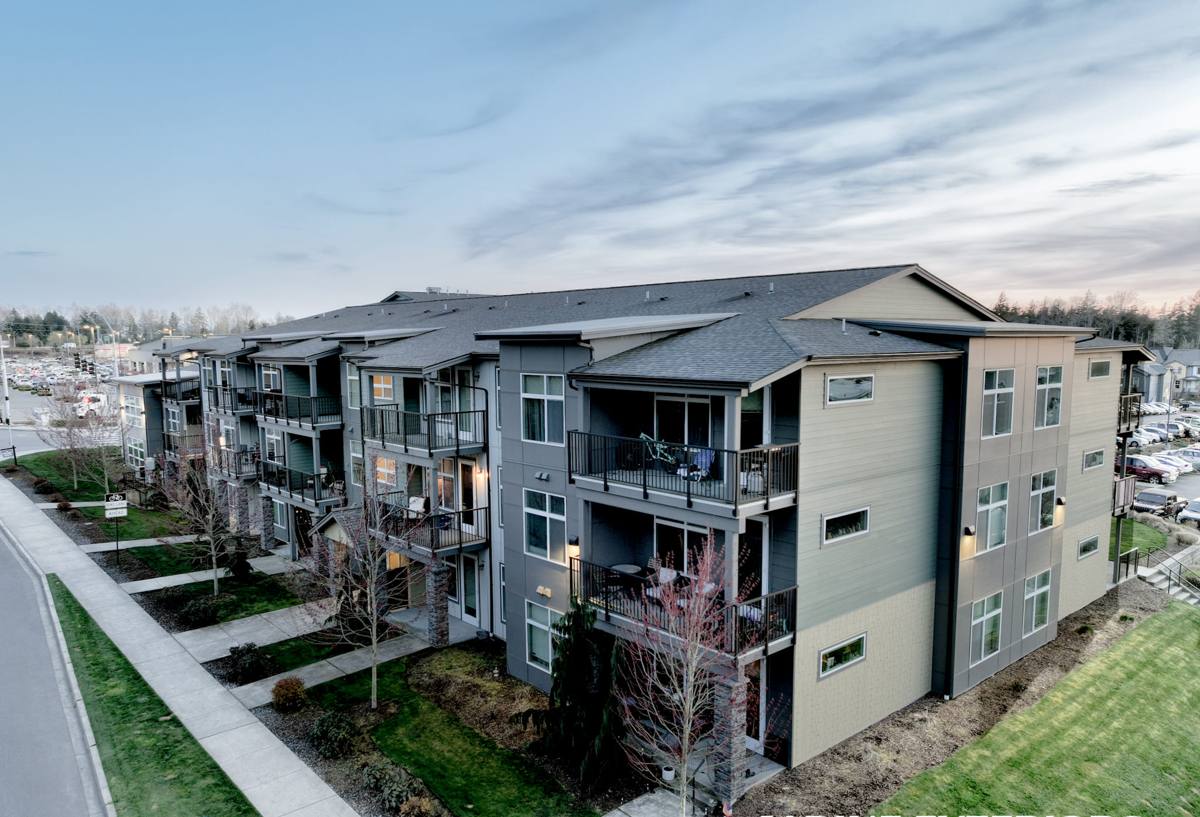
Semiahmoo Resort isn't a typical single-family neighborhood, and that shapes how window projects actually run. Condominium and townhome buildings share walls, common exterior surfaces, and roof lines, which means a window replacement in one unit has to be planned around the building envelope as a whole, not treated as an isolated job. Single-family homes in and around the resort tend to be newer or heavily renovated, often built with larger view-oriented windows facing the bay or harbor, which brings its own sizing and structural questions. Either way, window work here rarely looks like a simple swap of one stock unit for another.
Ownership patterns add another layer. A meaningful share of homes and condos at the resort are used part-time — vacation or weekend properties rather than full-time residences — which changes scheduling, access, and how urgently a failing window needs attention. A leak that goes unnoticed for a few weeks in an occupied home is an inconvenience. The same leak in a property that sits empty for stretches at a time can turn into real water damage before anyone catches it.
The Climate Semiahmoo Resort Windows Have to Survive
Salt Air From the Bay and the Strait
Because the resort sits on a spit with water on more than one side, homes here get salt-laden air from multiple directions rather than a single prevailing exposure. Salt accelerates corrosion in window hardware, fasteners, and metal flashing, and it breaks down lower-grade finishes and weatherstripping faster than a drier, more sheltered site would. A window installed with hardware that isn't rated for this kind of exposure will show it in corrosion and stiff or failing operation well before it should.
Wind-Driven Rain With Nothing to Block It
With open water and very little windbreak, rain on the spit doesn't just fall — it gets pushed sideways into window flashing and wall assemblies with more force than most inland Whatcom County properties ever see. That matters more than the region's overall rainfall totals suggest. A flashing detail that would hold up fine on a sheltered inland lot can fail here specifically because water is arriving at an angle, finding gaps in laps and joints that were never tested against that kind of pressure.
A Moss and Mildew Season That Doesn't Take a Break
Mild temperatures, near-constant humidity, and shaded north-facing walls add up to a moss and mildew season that runs most of the year in this part of Whatcom County, and the resort's waterfront setting doesn't shorten it. Window sills, trim, and any porous material around an opening are common places it takes hold, especially on sides of a building that don't get much direct sun. Correct sill slope and drainage detailing matter as much as the window unit itself in keeping that buildup from turning into rot.
Condos, Townhomes, and Single-Family Homes: Different Installation Logistics
Multi-Family and HOA Coordination
Window work in a condo or townhome building at Semiahmoo Resort usually isn't just between the homeowner and the contractor. Most associations here have architectural guidelines covering window style, color, and sometimes even the specific product line, since a mismatched window on a shared building stands out. We plan for that upfront — confirming what an HOA requires for approval, what documentation they'll want, and building that timeline into the project schedule instead of finding out about it mid-job.
Part-Time and Seasonal Occupancy
For homes and condos that sit vacant for stretches of time, we build the schedule around actual access rather than assuming someone will be on-site every day. That means coordinating key access or property-management check-ins, protecting the interior during work when no one's there to notice a problem develop, and communicating clearly about timeline since owners are often coordinating a project from somewhere else.
What a Correct Window Installation Involves
Assessment and Measuring
Every project starts with an in-person look at the actual opening — not a phone estimate. We measure the rough opening, check for square and level, and note the condition of the existing framing and any prior water intrusion. On older resort-era buildings, this step often turns up sill or framing issues that need to be addressed before a new window goes in, and we'd rather find that during assessment than after the old unit is already out.
Flashing and Weatherproofing
This is the step that decides whether a window installation actually holds up in this climate. Flashing has to be sequenced to shed wind-driven rain outward and downward, with laps that account for water hitting the wall at an angle rather than straight on. Sill pans, head flashing, and the tie-in to the surrounding siding or building cladding all need to work together as one system. We treat this as the core of the job, not a step to move through quickly to get to the visible finish work.
Product Selection for This Climate
Frame material and hardware grade matter more here than they would inland. We walk through the honest trade-offs for each opening — vinyl and fiberglass frames generally hold up to sustained salt air and moisture with less ongoing maintenance than an all-wood exterior finish, which is why we lead with them on weather-facing installs at the resort. Where the look of a wood interior matters, a wood-interior unit with a low-maintenance exterior cladding can still be the right call, as long as the exterior is properly protected. We'll go over which option actually fits your specific opening and budget rather than defaulting to one answer for every home.
Window Types We Install at Semiahmoo Resort
- Standard replacement windows — swapping failing or outdated units in existing openings, common across both condos and single-family homes
- Picture and large-format windows — fixed units used to open up a bay or harbor view, with more glass area to manage for both wind load and moisture
- Sliding and patio-adjacent windows — units near decks and patios that see repeated exposure to wind-driven rain at ground and mid-level heights
- Condo and townhome unit replacements — installed within HOA architectural guidelines and building-envelope constraints
- New construction and addition windows — for newer or renovated single-family homes built around the resort
- Non-standard or custom-sized openings — common in older resort-era buildings that predate current manufacturer sizing standards
Our Process, Start to Finish
- On-site assessment — we measure the opening, check the condition of the existing framing, and note any HOA or building-specific requirements
- Honest recommendation — the right product and approach for the opening and the building, explained with the reasoning behind it
- HOA or property coordination — where applicable, we help confirm what documentation or approval is needed before ordering
- Ordering and scheduling — a realistic lead time and an installation window that works around occupancy and access
- Removal and opening prep — the old unit comes out carefully, with any hidden rot or prior water damage addressed before the new window goes in
- Installation and flashing — the new unit is set, shimmed, and flashed to a sequence built for wind-driven rain, not a generic template
- Trim and finish — exterior trim integrated to match the surrounding siding or building cladding
A Practical Checklist Before You Hire
- Ask whether they've worked within Semiahmoo Resort's HOA or architectural review process before, not just done general window jobs
- Confirm current Washington contractor licensing and active liability insurance
- Ask how they detail flashing for wind-driven rain specifically, not a generic answer
- Get a written scope of work and a realistic timeline before signing anything
- Ask how they handle access and scheduling for a part-time or vacant property
- Confirm what's covered under warranty — the window unit and the installation labor are often covered separately
Costs and Trade-Offs
| Factor | What Drives It |
|---|---|
| Building type | Condo and townhome work often involves HOA approval steps that single-family homes don't; that adds time, not necessarily labor cost |
| Window size and glass area | Larger view-oriented units cost more to manufacture and install, and carry more wind load |
| Opening condition | Rot, prior leaks, or out-of-square framing on older resort-era buildings add repair work before the new unit is set |
| Frame material | Vinyl and fiberglass typically cost less upfront and need less ongoing maintenance in salt air than wood exteriors |
| Access and occupancy | Vacant or part-time properties may need extra coordination for keys or scheduling, which affects timeline more than price |
| Number of units | A full-building or multi-window project generally has better per-unit economics than a single window replacement |
We won't quote a number without seeing the opening in person, but these are the factors that consistently move price and timeline from project to project at the resort.
Why a Crew That Already Works Semiahmoo Resort Matters
Manufacturer installation guidance is written for average conditions in a moderate climate. Semiahmoo Resort's exposure — salt air from more than one direction, wind-driven rain, and a long wet season — doesn't fit that description, and neither does the layout of a resort community built around shared buildings and part-time ownership. A crew that has actually installed windows in this specific setting knows which parts of a manufacturer's guidance are non-negotiable here, understands how the resort's HOA approval process typically runs, and knows how to schedule around a property that isn't occupied every week.
That experience shows up in details that don't come up in a sales conversation — how a sill is sloped to shed water instead of holding it, how much lap a flashing course needs on a wall that takes rain at an angle, when a building's architectural guidelines call for a specific frame color or profile. Those are the details that decide whether a window installation is still performing cleanly after years of salt air and storms, or showing drafts and stained trim within a few seasons.
If you're weighing a window replacement for a condo, townhome, or single-family home at Semiahmoo Resort, it's worth having someone look at the actual opening — and, if it applies, the HOA requirements — before you start pricing units. We offer free, no-pressure estimates for window installation at Semiahmoo Resort and throughout the surrounding area. Use the form below to get a time on the schedule.