 Semiahmoo Siding
 Board & Batten in Blaine: A Style That Has to Earn Its Keep
Board and batten shows up all over Blaine and the Semiahmoo area — on newer builds going for a modern farmhouse look, on older homes getting a facelift, and on outbuildings and garages where a clean vertical line just looks right next to the water. It's a good-looking profile. But vertical siding lives or dies on details that horizontal lap siding can mostly shrug off. Every batten seam is a potential water path running straight down the wall, and in a climate that sees salt-laden wind off Semiahmoo Bay and Drayton Harbor plus long stretches of driving rain, those seams get tested constantly. We install board and batten in Blaine often enough to know exactly where it fails when it's done wrong, and what it takes to get it right.
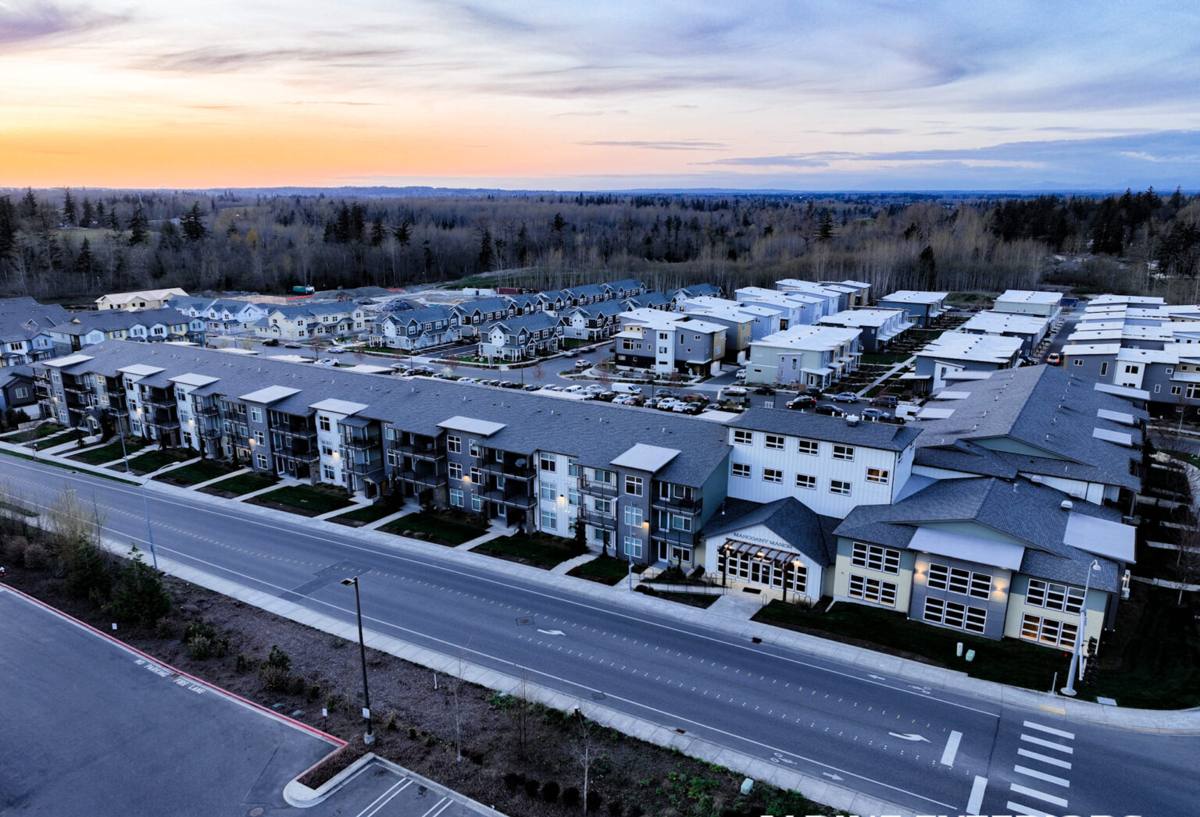
What Whatcom County's Coastal Climate Does to Vertical Siding
Blaine sits right on the water, which means homes here deal with a combination most inland Washington towns don't see: salt air, wind-driven rain, and a moss season that can stretch from fall through spring. Each one attacks siding a little differently.
Salt Air
Airborne salt from the Strait of Georgia and the bay settles on siding, fasteners, and trim. Over years it accelerates corrosion on anything not rated for coastal exposure — cheap fasteners, unprotected metal flashing, and fastener heads left exposed on lower-grade siding materials.
Driving Rain
Wind off the water doesn't let rain fall straight down — it pushes it sideways into wall assemblies. On a board and batten wall, that means water gets forced against every vertical seam and every batten edge, which is exactly why the gap behind the boards and the flashing details at each joint matter more here than they would on a sheltered inland lot.
Moss and Sustained Moisture
Blaine's long damp season keeps north-facing and shaded walls wet for extended periods. Moss and algae take hold on any siding material that stays damp too long, and sustained moisture is the single biggest factor in how long a siding job actually lasts versus how long it was rated to last.
James Hardie Board & Batten: The System We Install
We install James Hardie fiber cement exclusively, and for board and batten that means Hardie vertical panel siding installed with true battens over a proper water-management assembly, or Hardie's engineered board and batten profile depending on the look the homeowner wants. A few things make it the right call for this climate specifically:
- Non-combustible core — fiber cement doesn't feed a fire, which matters everywhere but adds peace of mind on any property.
- HZ5 climate-engineered formulation — Hardie's HZ product line is engineered for the Pacific Northwest's wet weather cycle, resisting moisture-related swelling and cracking better than wood-based panel products.
- ColorPlus factory finish — a baked-on finish that holds color and resists the chalking and fading that salt air and UV accelerate on field-painted materials.
- Dimensional stability — fiber cement doesn't expand and contract with moisture the way wood and wood-composite panels do, so batten seams stay tighter over time.
None of that replaces good installation. Hardie's own published fastening, gapping, and flashing details exist because even the best material fails early if it's hung wrong — which is the next section.
What We Won't Install for Board & Batten — and Why
Board and batten is one of the profiles where material choice matters most, because the seams multiply the number of places water can get behind the wall. A few products we don't put on Blaine homes, and why:
LP SmartSide
LP's engineered wood products have improved over the years and hold paint well when installed and maintained correctly. But it's still a wood-strand core, and any breach at a cut edge, fastener, or seam gives moisture a path into a material that swells and degrades once it's wet. In a coastal rain climate with a long damp season, that maintenance margin is thinner than we're comfortable standing behind.
Cedar Board & Batten
Real cedar board and batten looks great and has genuine history in this region, but it demands ongoing refinishing, is a known target for moisture and insect issues if maintenance lapses, and its long-term cost is almost entirely dependent on the homeowner keeping up with sealing and repainting on schedule — something that's easy to fall behind on.
Vinyl Board & Batten
Vinyl board and batten panels are inexpensive and low-maintenance, but they're thin, they can warp or crack in temperature swings, their color is baked into a material that fades under UV, and they don't hold up well against wind-driven debris the way a rigid fiber cement panel does. For a coastal property, we don't think it's the right trade-off.
We're not saying any of these products are junk — each has a legitimate use case somewhere. We're saying that for Blaine's specific combination of salt exposure, driving rain, and moss-friendly humidity, we've standardized on the one product we're willing to warranty our workmanship against.
Getting Board & Batten Right: The Details That Actually Matter
Board and batten fails prematurely almost always because of a handful of shortcuts, not because the material was wrong. Here's what a correct install actually involves:
The Rainscreen Gap
A drainage gap behind the panel — created with furring strips or a purpose-built rainscreen product — lets any water that gets past the surface drain and dry out instead of sitting against the wall sheathing. Skipping this gap is the single most common corner-cutting move we see on vertical siding jobs, and it's the one that causes the most rot.
Flashing at Every Horizontal Break
Windows, doors, decks, and any horizontal trim need proper flashing integrated with the water-resistive barrier underneath — not just caulk. Caulk is a maintenance item, not a waterproofing strategy, and in Blaine's rain it fails faster than homeowners expect.
Batten Spacing and Fastening
Battens need consistent spacing over the panel seams, fastened per the manufacturer's schedule — not just "close enough." Overdriven or underdriven fasteners, or battens that don't fully cover the panel joint, create the exact gaps that let wind-driven rain in.
Corrosion-Resistant Fasteners
Given the salt air, we use fasteners rated for coastal exposure. Standard fasteners can start showing corrosion streaks on light-colored siding within a few years this close to the water.
Proper Clearance at Grade and Roof Lines
Board and batten needs the same minimum clearance from grade, decks, and roof surfaces as any siding — moisture wicking up from soil contact or splash-back is a slow, quiet way to rot the bottom courses of a wall that otherwise looks fine.
Our Process for a Blaine Board & Batten Project
- On-site assessment — we look at wall orientation, existing water damage, current siding condition, and how exposed each elevation is to wind-driven rain off the water.
- Scope and material plan — we spec the Hardie board and batten configuration, color, and trim details, and flag any sheathing or framing repairs found during tear-off.
- Water management setup — installing or verifying the weather-resistive barrier, rainscreen gap, and flashing at every penetration and horizontal transition before a single panel goes up.
- Installation to Hardie's fastening and gapping specifications — this is where the warranty actually gets protected; off-spec installation can void manufacturer coverage regardless of the product.
- Final walkthrough — checking seams, caulk lines, trim, and touch-up before we consider the job done.
Cost Factors for Board & Batten Siding
Board and batten pricing depends on more than square footage. The factors below tend to move the number most on Blaine homes:
| Factor | Why It Matters Here |
|---|---|
| Existing siding removal | Tear-off and disposal of old siding, plus any hidden sheathing repair from past moisture intrusion |
| Wall height and complexity | Multi-story walls, dormers, and cut-ins around windows add labor and material waste |
| Rainscreen/furring installation | Adds material and labor but is non-negotiable for long-term performance in this climate |
| Trim and corner detailing | Board and batten's clean look depends on crisp trim work, which takes more time than lap siding trim |
| Color and finish selection | Factory ColorPlus finishes cost more upfront than field-painted options but eliminate a repaint cycle |
| Access and site conditions | Waterfront lots, tight setbacks, and slope can affect staging and scaffolding needs |
Why a Crew That Already Works Blaine Matters
Siding crews that mostly work inland don't spend much time thinking about salt-air fastener corrosion or how far wind-driven rain travels up a wall before it needs a kickout flashing. A crew that regularly works Semiahmoo and Blaine already knows which elevations on a typical lot here take the worst weather, and adjusts flashing and gapping details accordingly instead of applying a generic spec. There's also a practical side: local crews know the Whatcom County and Blaine permitting process, respond faster if a punch-list item comes up after the job, and aren't disappearing to a job three counties away the week after your install wraps up.
Maintenance Checklist for Board & Batten Homes in This Climate
- Rinse salt residue off siding a couple times a year, especially on water-facing walls
- Check caulk lines around windows, doors, and trim annually and touch up before they fail
- Keep gutters and downspouts clear so overflow doesn't run down wall surfaces
- Watch shaded, north-facing walls for moss or algae buildup and clean gently if it appears
- Trim back vegetation and landscaping to keep airflow moving against the wall
- Have any impact damage or loose battens inspected promptly rather than waiting
If you're planning a board and batten project in Blaine or anywhere around Semiahmoo, we're happy to take a look at your home and walk you through what a correct install involves for your specific walls and exposure. Fill out the form below for a free, no-pressure estimate.