 Semiahmoo Siding
 Roofing in Laurel: A Different Set of Demands
Laurel sits inland just enough from the Semiahmoo waterfront to feel like it should be sheltered from marine weather — but it isn't, not really. Whatcom County's northwest corner gets a steady mix of salt-laden air off the Strait of Georgia, long stretches of driving rain through fall and winter, and shaded, damp lots that stay wet well after a storm has passed. A roof here isn't just shedding water; it's fighting corrosion, fungal growth, and wind-driven moisture intrusion all year, every year. That combination is why roofs in Laurel often show their age faster than the same materials would in a drier, inland part of the state.
When we replace a roof in this area, we're not just matching what's up there now. We're building for the specific punishment this stretch of Whatcom County delivers, and that changes some of the decisions — from fastener choice to ventilation layout — compared to a roof going on twenty miles inland.
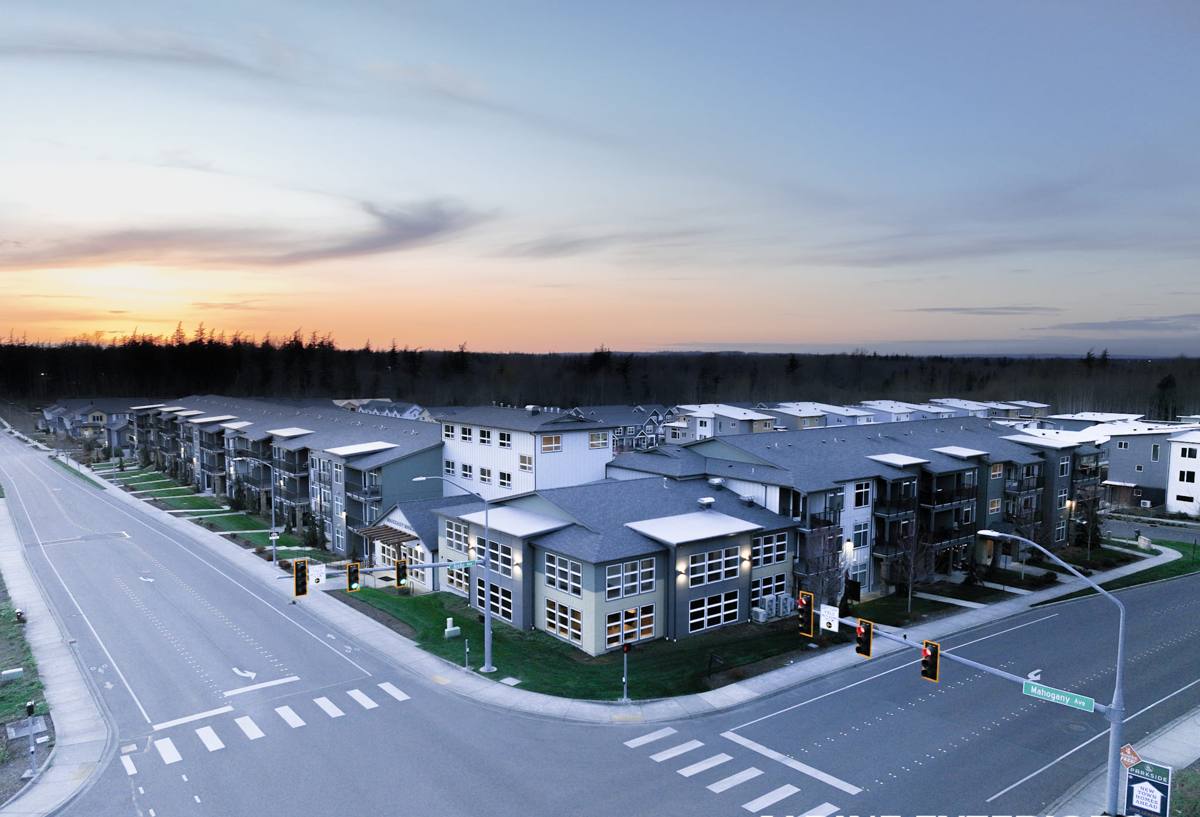
Why Roofs Wear Out Faster Near Semiahmoo
Salt Air and Metal Fatigue
Airborne salt is corrosive to exposed metal — flashing, fasteners, vent caps, gutter hardware. Standard galvanized steel components can start showing rust streaks and pitting years before they would inland. It's not dramatic, but it's steady, and it's often the first visible sign that a roof's hardware is aging faster than its field material.
Moss and Sustained Moisture
Whatcom County's moss season isn't a few weeks — it's most of the year on north-facing slopes and shaded roof planes. Moss holds moisture against the roofing material, works its way under shingle tabs and shakes, and can lift edges enough for wind-driven rain to get underneath. A roof that's constantly damp underneath the moss ages differently than one that dries out between rains.
Wind-Driven, Horizontal Rain
Storms coming off the water don't always fall straight down. Horizontal or gusting rain finds gaps that a calmer rain never would — poorly lapped flashing, under-sealed penetrations, or transitions where two roof planes meet. This is the kind of rain that exposes shortcuts in the original installation, sometimes years after the fact.
Signs a Laurel Roof Needs Replacing, Not Patching
- Moss buildup that returns within a season of cleaning, especially on shaded or north-facing slopes
- Granule loss showing up in gutters or at downspout outlets
- Curling, cupping, or cracked shingles, particularly on the roof faces that catch the most wind
- Rusted or streaking flashing around chimneys, skylights, and vent stacks
- Soft spots or sagging when walked (a sign of deck damage underneath)
- Daylight visible through the attic roof deck, or damp insulation below
- Repeated interior staining near the same spot after multiple "fixed" leaks
One or two of these on their own might mean a repair is enough. Several together, especially on a roof already past the middle of its expected lifespan, usually mean the underlying materials are failing broadly — and patching becomes a cycle of chasing leaks instead of solving them.
What a Correct Roof Replacement Involves Here
Tear-Off and Deck Inspection
We remove the existing roofing down to the deck rather than layering over it. That's the only way to actually see what's happening underneath — soft or delaminated sheathing, past water damage, or venting problems that a re-roof over the top would just seal in. Any damaged decking gets replaced before anything new goes down.
Underlayment Built for Wet Climates
Given how much of the year this area spends wet, we use synthetic underlayment rated for extended UV and moisture exposure, with self-adhered ice-and-water membrane at the eaves, valleys, and any low-slope transitions — the places most likely to see water sit or back up under wind pressure.
Flashing and Fastener Selection
Because salt air accelerates corrosion, we pay close attention to flashing metal and fastener coatings, matching materials so dissimilar metals aren't sitting against each other and creating a corrosion cell. Chimney flashing, step flashing, and valley metal all get formed and lapped correctly rather than caulked as a substitute for proper technique — caulk is a maintenance item, not a waterproofing method.
Ventilation That Matches the Roof
Balanced intake and exhaust ventilation keeps the attic close to outdoor temperature and controls moisture buildup from the inside, which matters as much as what's happening on the roof's surface in a climate this damp. Poor ventilation shortens shingle life and contributes to the kind of trapped moisture that feeds moss and rot.
Material Choice for This Specific Site
Sun exposure, tree cover, and roof pitch all vary from lot to lot in Laurel. We walk the property and factor in how much shade the roof gets, which slopes face prevailing wind and rain, and what the surrounding trees mean for moss and debris before recommending a material and warranty package — not just quoting what's cheapest or most common.
Roofing Materials: Honest Trade-Offs for This Climate
| Material | Performance in Salt Air / Rain / Moss | Maintenance Considerations |
|---|---|---|
| Architectural asphalt shingle | Good wind and rain performance with proper installation; algae-resistant granule options help with moss and staining | Periodic moss and debris removal recommended, especially on shaded slopes |
| Metal (standing seam) | Sheds water and moss very effectively due to smooth, steep-shed surface; excellent wind resistance when properly fastened | Requires corrosion-resistant fastener and flashing specification near the coast; higher upfront cost |
| Cedar shake | Traditional look, but holds moisture longer than other options in a climate this wet, increasing moss and rot risk over time | Higher ongoing maintenance burden; we're upfront that this is a real trade-off in this specific climate, not a knock on the material itself |
| Composite / synthetic shake | Mimics the cedar look with far less moisture absorption and more consistent long-term performance | Lower moss-related maintenance than natural wood shake |
There's no single "right" material for every Laurel roof — it depends on the home's style, the budget, and how much ongoing maintenance the homeowner wants to take on. We'll walk through the honest trade-offs for your specific roof rather than pushing one product line.
Cost Factors for a Laurel Re-Roof
Every roof replacement quote should reflect the specific job, not a generic square-footage number. The main factors that move the price on a project like this:
| Factor | Why It Matters |
|---|---|
| Roof size and number of planes | More cuts, valleys, and transitions mean more labor and flashing detail |
| Existing deck condition | Rotted or soft sheathing found during tear-off adds material and labor to replace it properly |
| Pitch and access | Steeper roofs and difficult access (trees, tight lot lines) affect labor time and safety setup |
| Material choice | Asphalt, metal, and shake/composite options carry different material and installation costs |
| Ventilation and flashing scope | Correcting inadequate ventilation or replacing all flashing rather than reusing it adds cost but reduces future failure points |
We give a written, itemized estimate before any work starts, so you can see exactly what's driving the number — not a lump-sum guess.
Our Process, Start to Finish
- On-site inspection — we assess the current roof, deck, flashing, and ventilation, and check for moss and moisture patterns specific to your lot's sun and tree exposure
- Written estimate — a clear breakdown of material, labor, and scope, with options explained rather than a single take-it-or-leave-it number
- Scheduling around weather — we plan tear-off and dry-in for windows with the best chance of staying ahead of Whatcom County's rain patterns, and protect the open deck if weather shifts mid-job
- Tear-off and deck repair — full removal, inspection, and replacement of any damaged sheathing before new materials go down
- Underlayment, flashing, and material installation — built with the salt air and rain exposure of this location in mind
- Final walkthrough — we review the completed roof with you, including ventilation and any maintenance notes specific to your home's shade and moss exposure
Why Local Experience in Laurel Matters
A crew that already works this stretch of Whatcom County knows which roof planes on a given lot orientation tend to hold moss, how far wind-driven rain can travel under improperly lapped flashing, and which fastener and flashing specs actually hold up against salt air over time. That's not something you get from a general roofing crew working a job here for the first time — it comes from repeatedly seeing how roofs in this specific climate age, fail, and hold up.
It also means we're accountable locally. We're not passing through — we're available if something needs a look after the fact, and we stand behind the work we do on roofs in this community.
Get a Free, No-Pressure Estimate
If your roof in Laurel is showing moss that keeps coming back, aging flashing, or you're just not sure whether a repair will actually hold, we're happy to take a look. Fill out the form below for a free estimate — no pressure, just a straight assessment of what your roof actually needs.