 Semiahmoo Siding
 Roofing Peace Arch Homes for the Climate They Actually Face
Peace Arch sits close enough to Semiahmoo Bay and the Salish Sea that the air itself is part of the roofing problem. Homes here don't just deal with rain — they deal with salt-laden marine air, wind-driven storms coming off the water, and a moss season that can run most of the year in a wet Whatcom County winter. A roof that would hold up fine forty miles inland can fail early out here if it wasn't built with this specific climate in mind. Roof replacement in this area isn't a one-size-fits-all job, and treating it like one is how homeowners end up redoing work that should have lasted two decades.
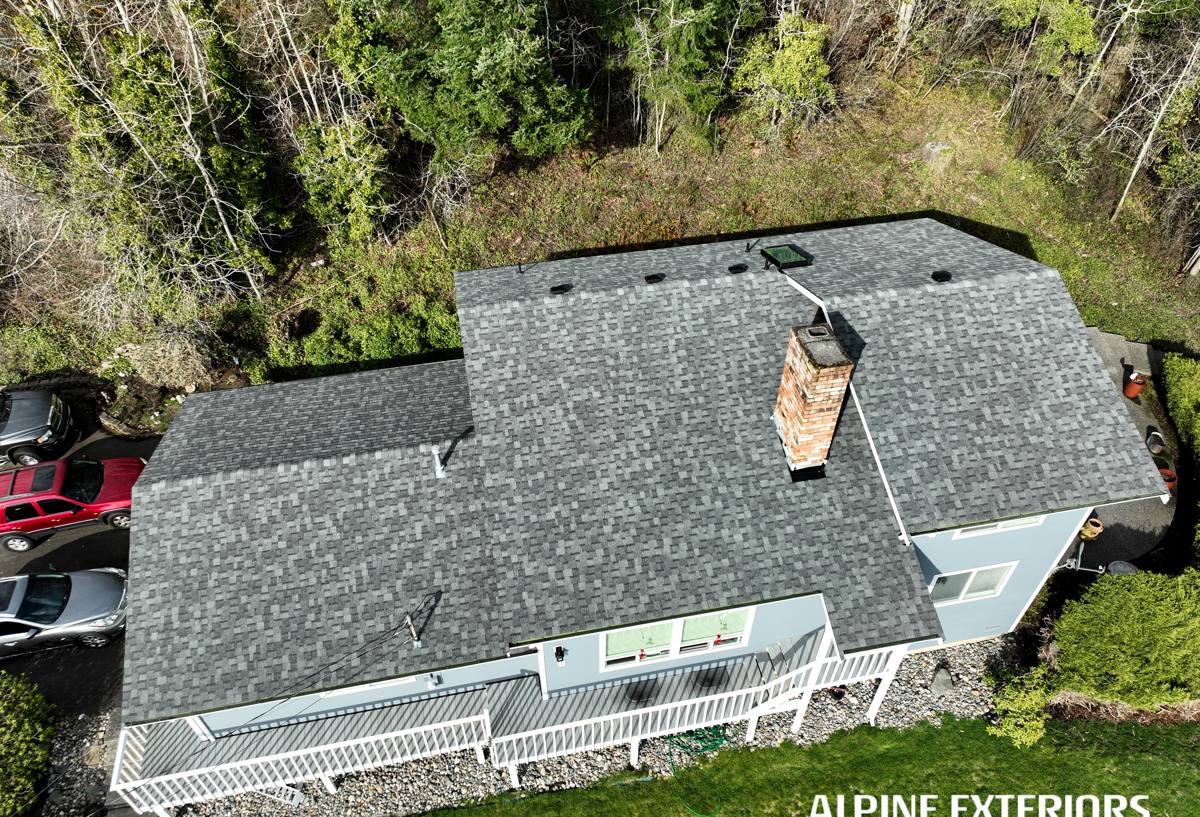
What Salt Air, Driving Rain, and Moss Actually Do to a Roof
Salt Air and Metal Components
Proximity to the bay means airborne salt settles on every exterior surface, including the roof. Over years, salt exposure accelerates corrosion on unprotected or lower-grade metal flashing, fasteners, and vent components. It's not dramatic — nobody watches their flashing rust in real time — but it's steady, and it's why fastener and flashing quality matters more here than it would in a drier, inland part of the state.
Driving Rain and Wind
Storms coming off the water tend to bring rain sideways, not straight down. That changes where a roof is vulnerable. Wind-driven rain finds its way under improperly sealed shingle edges, around poorly flashed penetrations, and into any gap that a calmer rain would never reach. A roof that's watertight in a light drizzle can still leak in a wind-driven Pacific storm if the details weren't done right the first time.
Moss and Moisture Retention
Cool temperatures, shade from mature trees common in this area, and long stretches of damp weather add up to a moss season that can stretch from fall through spring. Moss isn't just cosmetic — it holds moisture against the roofing surface, works its way under shingle tabs and shakes, and can lift materials enough to let water in underneath. Left unmanaged for several seasons, moss growth shortens the usable life of almost any roofing material.
Signs a Peace Arch Roof Needs Replacement, Not Just Repair
Not every roofing problem calls for a full tear-off, but there's a point where patching becomes more expensive than replacement over time. Signs worth taking seriously include:
- Shingles that are cupping, curling, or losing their granules in patches, especially on slopes facing prevailing weather
- Moss or algae staining that keeps returning within a season or two of cleaning
- Soft spots or sagging when walking the roof or viewing it from the ground
- Daylight visible through the roof deck from inside the attic
- Water stains on ceilings or in the attic that appear after wind-driven storms specifically
- Flashing around chimneys, vents, or skylights that's rusted, lifted, or was never properly step-flashed
- A roof that's 20+ years old on asphalt composition, or showing its age on any material, with multiple prior repairs
If you're seeing two or more of these, it's usually time for a real inspection rather than another round of patching.
Choosing a Roofing System for This Climate
There's no single "best" material for every home, but some perform noticeably better than others against salt air, wind-driven rain, and moss. Here's how the common options compare for this specific area:
| Material | Moss Resistance | Salt Air / Coastal Durability | Typical Lifespan Here |
|---|---|---|---|
| Asphalt composition shingle (standard) | Moderate — needs regular cleaning | Good, with quality flashing and fasteners | 18–25 years |
| Asphalt composition shingle (algae-resistant) | Better — copper/zinc granules slow regrowth | Good | 20–28 years |
| Metal (standing seam, coated) | Very good — sheds moisture, little for moss to grip | Excellent with marine-grade coatings and fasteners | 40+ years |
| Cedar shake/shingle | Poor without diligent maintenance — retains moisture | Fair — needs treatment and upkeep near salt air | 15–25 years, maintenance-dependent |
| Synthetic composite (polymer) | Good | Good | 30–50 years, product-dependent |
We'll walk through what fits your budget, your roofline, and how much moss and shade exposure your specific lot deals with. There's often a real trade-off between upfront cost and long-term maintenance burden, and we'd rather explain that plainly than upsell a product that doesn't match your situation.
What a Correct Roof Replacement Involves
Tear-Off and Deck Inspection
A proper replacement starts with a full tear-off, not a layover. That's the only way to actually inspect the roof deck underneath for rot, soft spots, or moisture damage that's been hiding under old shingles — which is common on roofs that have battled long moss seasons for years. Any damaged decking gets replaced before anything new goes down; skipping this step is one of the most common shortcuts that leads to early failure.
Underlayment and Ice-and-Water Protection
Given how much wind-driven rain this area sees, underlayment choice matters. We use synthetic underlayment across the field and self-adhering ice-and-water barrier at eaves, valleys, and around penetrations — the spots where wind-driven moisture is most likely to find a way in.
Flashing and Fasteners Rated for the Coast
Because of the salt air off Semiahmoo Bay, flashing and fastener quality isn't a place to cut costs. We use corrosion-resistant flashing and fasteners rated for coastal exposure at chimneys, valleys, vents, and skylights — the components most likely to corrode early and cause a leak years down the line.
Ventilation
Balanced intake and exhaust ventilation keeps attic moisture from building up, which matters in a climate this damp. Poor ventilation traps moisture that can rot decking from underneath and shortens the life of the roofing material from below, even when everything on top looks fine.
Moss Prevention Built In
Where it fits the material and budget, we install zinc or copper strips near the ridge, which release trace amounts of metal ions during rainfall that inhibit moss and algae regrowth over time. It's not a substitute for maintenance, but it meaningfully extends the gap between cleanings.
Our Process for Peace Arch Homeowners
- On-site inspection — we walk the roof and attic, check the deck, flashing, and ventilation, and give you a straight assessment of repair vs. replacement.
- Written estimate — a clear breakdown of material options, scope, and cost, with no pressure to decide on the spot.
- Scheduling around the weather — we plan replacement work for realistic weather windows, since a roof mid-tear-off and an unexpected coastal storm don't mix.
- Tear-off, deck repair, and installation — done to the standard described above, not a shortcut version of it.
- Final walkthrough — we go over the finished roof, flashing details, and any maintenance recommendations specific to your lot's sun and shade exposure.
What Drives the Cost of a Roof Replacement Here
| Factor | Why It Matters Locally |
|---|---|
| Roof size and pitch | Steeper pitches and larger roof areas require more material and labor time |
| Material choice | Metal and synthetic composites cost more upfront but resist moss and salt corrosion longer |
| Deck condition | Rot found during tear-off, more common on roofs with heavy moss history, adds repair cost |
| Number of penetrations | Chimneys, skylights, and multiple vents each need proper flashing, which adds labor |
| Tree cover and shade | Heavier shade means more moss pressure, which can push homeowners toward moss-resistant materials |
| Access and complexity | Roof shape, height, and site access all affect labor time |
We don't quote roof replacements over the phone with a rough square footage number — too many of these factors only show up once we're actually on the roof and in the attic.
Why It Matters That We Already Work This Area
A roofing crew that mainly works dry, inland climates can still do competent work here, but they're often learning the coastal details — flashing grade, moss strategy, storm timing — as they go. Working Peace Arch and the surrounding Whatcom County coastline regularly means we already know which fastener grades hold up against the salt air, which slopes on which lot orientations collect moss fastest, and how to schedule a tear-off around this area's weather patterns instead of guessing at it. That's not a marketing point — it's the difference between a roof that's still solid in fifteen years and one that needs premature repairs because a detail was built for the wrong climate.
If your roof is showing its age, or you just want a straight opinion on whether repair or replacement makes more sense for your home, we're happy to take a look. Use the form below to request a free, no-pressure estimate — we'll walk the roof, tell you what we actually see, and give you honest options.