 Semiahmoo Siding
 Why Ferndale Roofs Wear Differently
Ferndale sits close enough to the water that salt-laden air reaches roofs year-round, and it sits inside a Whatcom County weather pattern that delivers long stretches of driving rain from fall through spring. Add a moss season that can run six months or more in shaded, north-facing sections of a roof, and you have a combination that ages roofing materials faster here than in drier parts of the state. A roof spec'd for a generic climate zone often isn't spec'd for this one.
The three stressors compound each other. Salt air accelerates corrosion on exposed metal fasteners and flashing. Driving rain finds any weak point in a roof's water-shedding path, not just the shingles themselves. And moss holds moisture against the roof surface long after a storm has passed, which is exactly the condition that shortens the life of asphalt shingles and rots the sheathing underneath if it goes unaddressed. A new roof installation in this area has to be built with all three in mind from the start, not patched for them later.
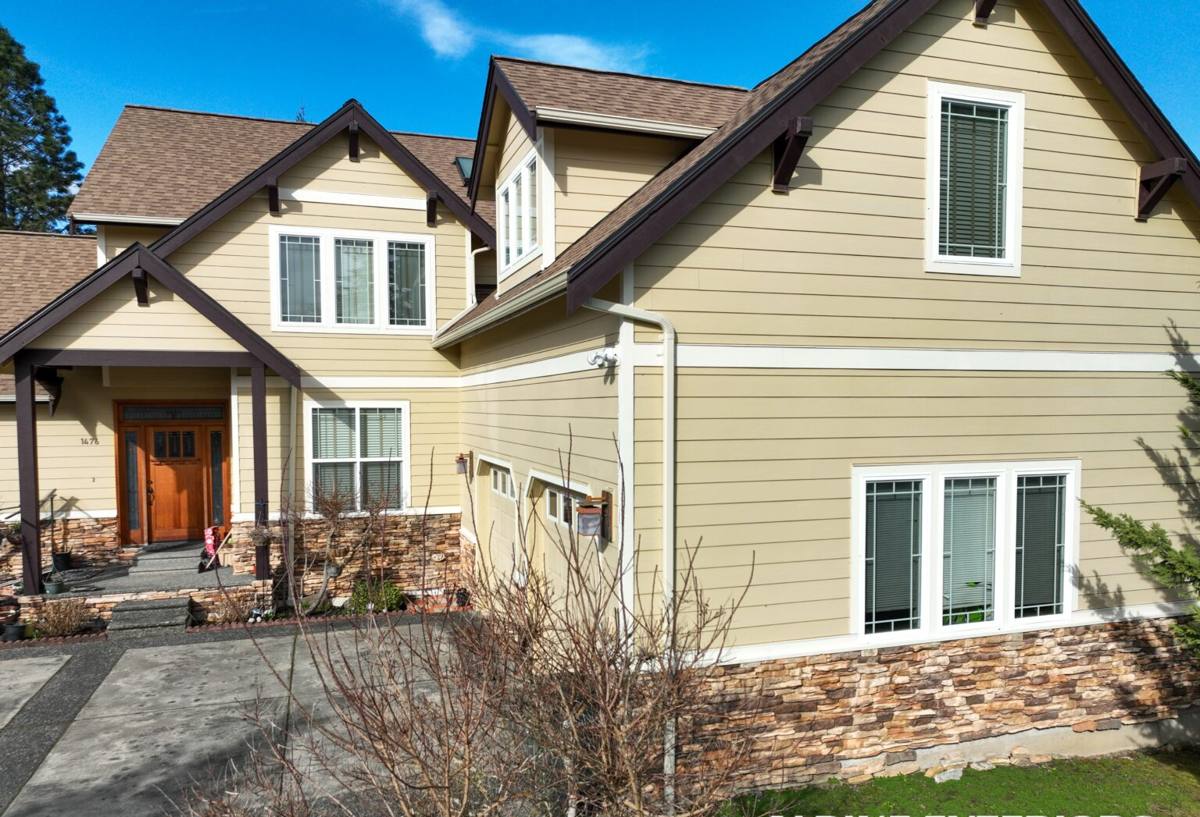
Signs a Ferndale Home Needs a New Roof, Not a Repair
Homeowners often ask whether a problem area can just be patched. Sometimes it can. But certain signs point to a roof that's past the point where spot repairs make sense.
- Granule loss heavy enough that you're finding grit in gutters and downspouts every time it rains
- Shingles that are cupping, curling, or cracking across multiple slopes, not just one sun-exposed area
- Moss growth that keeps returning within a season or two of cleaning, especially on north-facing slopes
- Soft or spongy decking felt underfoot during an inspection, which usually means water has reached the sheathing
- Daylight visible through the roof deck from inside the attic, or staining on attic rafters and insulation
- A roof that's 20+ years old for asphalt composition, or showing wear well ahead of that if ventilation has been poor
- Repeated leaks around the same valley, chimney, or vent boot despite prior repairs
If two or three of these apply at once, a repair is usually a delay, not a fix. The underlying materials are past their working life, and money spent patching them is money that won't carry forward into a new roof later.
What a Correct New Roof Installation Actually Involves
A new roof is more than shingles nailed over the old deck. In a climate that sees this much sustained rain and moss pressure, the layers underneath the visible surface matter as much as the surface itself.
Tear-Off and Deck Inspection
We remove the existing roofing down to the deck rather than layering over it. That's the only way to actually see the sheathing condition — soft spots, delamination, or rot from long-term moisture intrusion don't show up until the old material is off. Any compromised decking gets replaced before anything new goes down; installing new roofing over a weak deck just resets the clock on the same failure.
Underlayment and Water Barrier
Given how much of the year this area sees rain, underlayment isn't a formality. We use synthetic underlayment across the field of the roof and self-adhering ice-and-water barrier at the eaves, valleys, and any roof-to-wall transitions — the spots where wind-driven rain is most likely to work its way backward under the shingles. This second layer of protection is what keeps a roof watertight even when the top layer is doing exactly what it's supposed to do and shedding most, but not all, of the water.
Ventilation
Proper intake and exhaust ventilation keeps the attic space close to outdoor temperature and controls moisture buildup from the inside. Poor ventilation is one of the most common reasons roofs in this region fail early — trapped moisture condenses on the underside of the deck, and that constant dampness rots sheathing and shortens shingle life from below, independent of anything happening on the surface.
Flashing and Valleys
Flashing around chimneys, skylights, vents, and roof valleys is where the majority of leaks actually originate, not the open field of shingles. We use corrosion-resistant flashing material appropriate for the salt exposure here and install it with proper step-and-counter technique rather than relying on sealant alone to do the job long-term.
Choosing the Right Roofing Material for This Climate
There's no single "best" roofing material — the right choice depends on budget, how the home is shaded, and how much moss and moisture pressure a given roof sees. Here's how the common options compare for a Ferndale-area home.
| Material | Moisture & Moss Behavior | Salt-Air Durability | Typical Lifespan |
|---|---|---|---|
| Architectural asphalt shingle | Good with proper ventilation and algae-resistant granules; needs periodic moss removal on shaded slopes | Good — minimal exposed metal | 25–30 years |
| Standing seam metal | Sheds water and moss buildup very well due to steep slip surface | Requires coastal-rated finish and fasteners to avoid corrosion | 40–50+ years |
| Cedar shake | Higher maintenance burden — absorbs moisture and is more susceptible to moss and rot without diligent upkeep | Fair; hardware needs to be corrosion-resistant | 20–30 years with regular maintenance |
| Synthetic composite shingle | Good moisture resistance, resists moss better than wood | Good | 30–50 years |
We install asphalt and synthetic composite systems on the majority of Ferndale homes because they balance upfront cost with reasonable maintenance in this climate. We're honest that cedar shake, while it has real visual appeal, carries a heavier ongoing maintenance burden here specifically because of how much moisture and shade the local climate provides moss to work with — that's a trade-off homeowners should walk in knowing, not discover two winters in.
Our New Roof Installation Process
- On-site inspection and estimate. We walk the roof, check the attic for ventilation and moisture issues, and give you a written scope and price — no guessing from the ground.
- Material selection. We go over shingle or metal options suited to your home's exposure, slope, and budget, including what each option means for long-term moss and moisture management.
- Scheduling around weather. Given how much rain this area gets, we plan installation windows carefully and tarp any exposed sections if weather shifts mid-project.
- Tear-off and deck repair. Full removal of old roofing, deck inspection, and replacement of any compromised sheathing.
- Underlayment, flashing, and ventilation installation. The layers that do the real work of keeping water out, installed before a single shingle goes down.
- Roofing installation. Shingles or metal panels installed to manufacturer spec, including proper nailing patterns and exposure — details that directly affect wind and warranty performance.
- Final walkthrough and cleanup. We inspect the finished roof with you, clean the site including a magnetic sweep for stray fasteners, and go over care and warranty paperwork.
Moss, Algae, and Long-Term Roof Care
A new roof reduces moss problems but doesn't eliminate them — moss spores travel on wind and settle wherever there's shade and moisture, which describes a lot of Whatcom County rooflines for a good part of the year. What a correct installation does is give you a roof that's harder for moss to damage and easier to keep clean.
Algae-resistant shingles use copper-infused granules that discourage growth, which helps on the field of the roof. Keeping gutters and valleys clear of debris matters just as much, since trapped organic material is what gives moss a foothold in the first place. We recommend a light annual check of shaded slopes and gutters, especially heading into the wetter months, rather than waiting until moss is visibly thick enough to hold water against the shingles.
Why a Crew That Already Works Ferndale Matters
Roofing work here isn't identical to roofing work in a drier inland climate, and a crew that mainly works other regions can miss the details that matter locally — the right underlayment strategy for sustained rain, corrosion-resistant fastener choices for salt exposure, and ventilation sized correctly for a home that stays damp longer than average. A crew that regularly works Ferndale and the surrounding Whatcom County area also knows the local permitting process, typical wind exposure by neighborhood, and which failure points show up most often on homes of a similar age and construction in this specific area.
That familiarity shows up in fewer surprises mid-project and a roof that's built for the conditions it will actually face, not a generic spec sheet.
Cost Factors for a New Roof Installation
Every roof is different, but the same handful of factors drive most of the price difference between jobs. We don't quote fake numbers here — we walk through what actually moves the estimate.
| Factor | Why It Affects Cost |
|---|---|
| Roof size and number of layers to remove | More square footage and tear-off work means more labor and disposal cost |
| Roof pitch and accessibility | Steeper or harder-to-access roofs require more safety setup and slow down installation |
| Deck condition | Any sheathing replacement adds material and labor beyond the base roofing scope |
| Material choice | Asphalt, metal, and composite systems carry different material and installation costs |
| Ventilation and flashing upgrades | Bringing older ventilation or flashing up to current standards adds scope but reduces future problems |
| Number of penetrations | Chimneys, skylights, and vents each need proper flashing detail, which adds time |
Broadly, a straightforward asphalt shingle replacement on an average-size home runs less than a complex roof with steep pitch, multiple penetrations, or a switch to metal or composite materials. The only way to get an accurate number is a real inspection — anything quoted sight unseen is a guess.
If your roof is showing its age or you're just planning ahead, we're happy to take a look and give you a straightforward, no-pressure estimate. Fill out the form below and we'll schedule a time to walk the roof and talk through what it actually needs.