 Semiahmoo Siding
 Why Metal Roofing Fits Drayton Harbor
Drayton Harbor sits right where Semiahmoo's shoreline weather meets thick Northwest tree cover, and that combination is hard on a roof. Homes here take on salt-laden air off the water, long stretches of wind-driven rain through the fall and winter, and shaded, moss-friendly conditions under the fir and cedar canopy that lines a lot of the neighborhood. Asphalt shingles can hold up fine, but they're also the roofing material most affected by that mix — granule loss from wind-driven rain, moss rooting into the shingle mat, and a shorter service life in salt-air exposure. Metal roofing handles all three of those stresses better, which is why we're installing more of it in this part of Whatcom County than we were even five years ago.
This page is specifically about metal roofing for Drayton Harbor properties — not a general metal roofing overview. The install standards, flashing details, and material choices below are the ones we actually use on homes in this exposure.
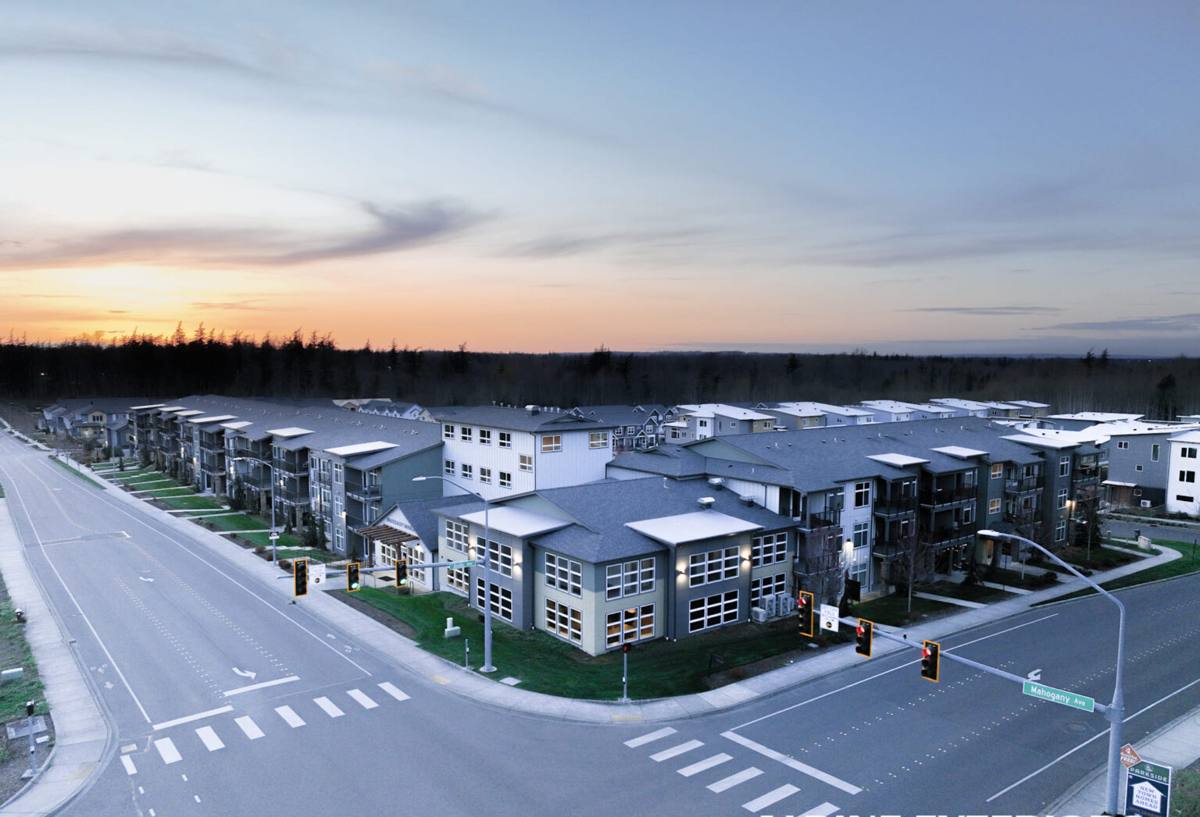
What Salt Air and Driving Rain Actually Do to a Roof
Two separate problems show up on coastal Whatcom roofs, and they call for different answers.
Salt Air and Corrosion
Airborne salt accelerates corrosion on any exposed metal — fasteners, flashing, gutters, and unprotected panel edges. It's not usually dramatic; it's slow pitting and rust bleed that shows up years later, often first at cut edges or fastener heads where the protective coating was compromised during installation. The fix isn't avoiding metal, it's choosing coatings and fastener hardware rated for coastal exposure and detailing cut edges so bare steel isn't left exposed to the air.
Wind-Driven Rain
Rain that comes in sideways off the water doesn't just land on the roof surface — it gets pushed uphill under laps, into fastener penetrations, and around any flashing that's cut short. A roof that would be watertight in calm rain can leak in a Drayton Harbor windstorm if the underlayment, lap coverage, and flashing weren't sized for that kind of exposure. This is one of the biggest reasons we treat underlayment and flashing detail as important as the panel itself.
Panel Types: What Actually Makes Sense Here
Not every metal roofing system is built the same way, and the differences matter more in a coastal, high-moss environment than they do inland.
| System | How It's Fastened | Best Fit | Trade-Offs |
|---|---|---|---|
| Standing seam | Concealed clips, no exposed fasteners on the field | Homes wanting the longest service life and fewest future leak points | Higher upfront cost; needs a crew experienced with seaming |
| Exposed-fastener panel | Screws through the panel face into the deck or purlins | Budget-conscious re-roofs, outbuildings, shops | Fastener washers age and need periodic checking; more penetrations for wind-driven rain to test |
| Metal shingle / shake profile | Interlocking panels, concealed fasteners | Homes wanting a traditional shingle look with metal's durability | More seams than standing seam; installer skill matters more |
For most Drayton Harbor homes we recommend standing seam specifically because it has no exposed screw heads for salt air to attack and its raised seams shed wind-driven rain rather than relying on a gasket or washer to stay dry. Exposed-fastener panels are still a legitimate, more affordable option for shops, garages, and secondary structures — we just make sure the fastener hardware is coastal-rated and we're honest that it needs a five-minute visual check every few years.
What a Correct Installation Actually Involves
The panel itself is only part of the system. On a coastal re-roof, we pay particular attention to the layers homeowners don't see once the job is done.
Deck and Underlayment
We check the existing deck for soft spots or moisture damage before anything goes down — a common finding on older Drayton Harbor homes where moss and shade have kept a roof damp longer than it should be. Over sound decking, we install a synthetic or high-temp underlayment rated for the panel system, with extra ice-and-water membrane at eaves, valleys, and any low-slope transitions where wind-driven rain is most likely to be pushed uphill.
Flashing and Penetrations
Every roof-to-wall transition, chimney, vent pipe, and skylight curb gets custom-formed flashing rather than a one-size-fits-all boot. In a wind-driven-rain environment, undersized or generic flashing is the single most common cause of leaks we find on older metal and shingle roofs alike.
Fasteners and Edge Treatment
We use fastener and clip hardware rated for coastal/marine exposure, not the standard-grade hardware that's fine further inland. Cut panel edges are treated or positioned so bare steel isn't left exposed where it can start corroding from the edge inward.
Ventilation
Metal roofs perform best over a properly vented attic or roof assembly. Poor ventilation traps moisture against the underside of the deck, which is exactly the kind of damp, dark condition that encourages rot and, ironically, can undercut the longevity metal roofing is supposed to deliver.
Moss and Debris Under Drayton Harbor's Tree Cover
A lot of Drayton Harbor properties sit under or near mature conifers, which means shade, needle drop, and moss are part of daily roof life. Metal roofing's smooth, hard surface gives moss far less to grip than the textured surface of a shingle, and most spores and moisture wash off with normal rain rather than sitting in a shingle mat. That said, metal roofs aren't moss-proof — debris that piles up in valleys or against a chimney can hold moisture long enough for moss or algae to get a foothold anywhere organic material collects. Keeping valleys and low points clear is still worth doing once or twice a year, especially on shaded sections of roof.
Our Process From Estimate to Cleanup
- On-site assessment — we look at deck condition, existing ventilation, moss or moisture history, and how exposed the roof is to prevailing wind and rain off the harbor.
- System recommendation — standing seam, exposed-fastener, or metal shingle, matched to your budget and how the roof is exposed.
- Written estimate — clear scope, materials, and price before anything is scheduled.
- Tear-off and deck check — old roofing removed, deck inspected and repaired as needed before underlayment goes down.
- Underlayment, flashing, and panel installation — done to the coastal detailing standards above, not a generic inland spec.
- Site cleanup and walkthrough — magnetic sweep for stray fasteners, debris hauled off, and a walkthrough of the finished roof.
Cost Factors Worth Understanding
Metal roofing costs more upfront than asphalt shingles, and pricing varies with roof complexity, so we won't quote a number without seeing the roof. What we can tell you is what actually moves the price:
| Factor | Why It Matters |
|---|---|
| Panel system | Standing seam typically costs more than exposed-fastener panel due to labor and hardware |
| Roof complexity | Valleys, dormers, and multiple roof planes add flashing work and labor time |
| Deck condition | Rot or soft decking found during tear-off adds repair cost before roofing can proceed |
| Coastal-rated hardware | Marine-grade fasteners and coatings cost more than standard-grade but protect the investment |
| Access and pitch | Steep or hard-to-access roofs take longer and require more safety setup |
Where metal earns back its higher upfront cost is in the decades of reduced maintenance and replacement that follow — fewer moss treatments, no granule loss, and a much longer service life than shingles in this climate.
Maintenance a Drayton Harbor Homeowner Should Actually Do
- Clear valleys and low points of needles and debris once or twice a year, especially under tree cover
- Check that gutters and downspouts are flowing freely — clogged gutters push water back under eave flashing
- After major windstorms, do a visual check (from the ground or with binoculars) for lifted flashing or panel edges
- On exposed-fastener systems, have fastener washers checked every few years — they're the one wear component on that system
- Keep overhanging branches trimmed back to reduce shade, debris, and moss pressure on the roof
Why a Crew That Already Works Drayton Harbor Matters
Metal roofing installed to a generic spec will not perform the same way here as it does in a drier, inland part of the state. A crew that already works Semiahmoo and Drayton Harbor knows which elevations take the worst of the wind-driven rain, how much moss and tree debris to plan for based on a home's tree cover, and which flashing and fastener details actually hold up against salt air year after year. That local knowledge shows up less in the finished look of the roof and more in whether it's still watertight and corrosion-free a decade from now.
If you're weighing metal roofing for a home in Drayton Harbor, we're happy to walk the roof, talk through your options honestly, and put together a written estimate — no pressure, no obligation. Use the form below to get started.