 Semiahmoo Siding
 Board & Batten in Marietta: A Style That Has to Earn Its Keep
Board and batten has always been a good match for the homes along this stretch of Whatcom County — the vertical lines suit the mix of craftsman cottages, newer builds, and the occasional barn-style garage you see scattered through Marietta and the rest of the Semiahmoo area. It reads clean, it photographs well, and it doesn't compete with the water views a lot of these lots are built around. But style is only half the job. On a peninsula that sits this close to Semiahmoo Bay and Drayton Harbor, a vertical siding profile has to survive salt air, sideways rain, and months of shade-driven moss growth every single year. A board and batten job that looks right on install day but wasn't detailed for this climate will show problems within a few winters — cupping boards, streaked battens, soft spots at the base. This page is about what it actually takes to do board and batten correctly on a Marietta home, not just what it takes to make it look good in September.
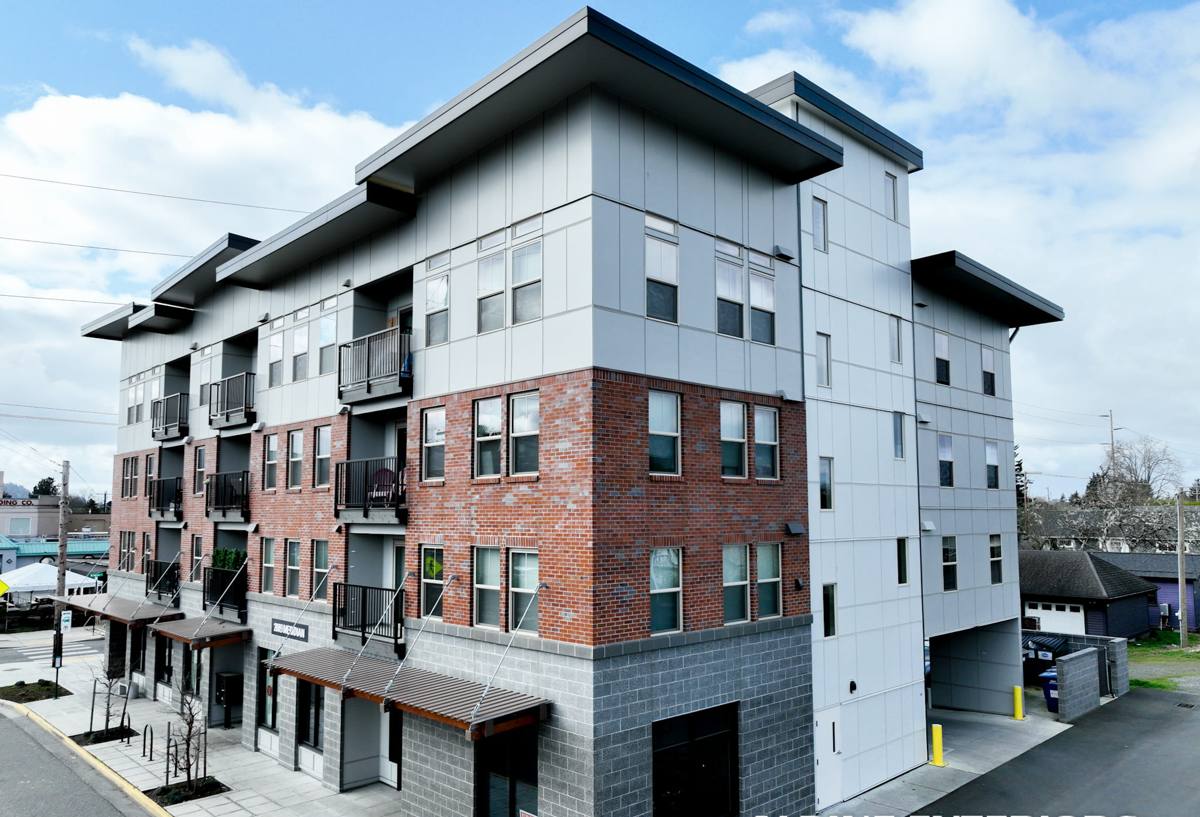
What Semiahmoo's Climate Does to Vertical Siding
Board and batten is more exposed to the elements than lap siding in a few specific ways, and those ways line up almost exactly with what this climate throws at a house.
Salt Air
Being this close to the bay means a steady, low-grade dose of salt-laden air moving across every exterior surface, especially on homes with any western or water-facing exposure. Salt air accelerates the breakdown of paint film, corrodes exposed metal fasteners, and works its way into any gap or seam faster than it would twenty miles inland. Vertical battens create more seams per square foot than a lap profile — more places for salt-carrying moisture to find a foothold if those seams aren't detailed right.
Driving Rain
Whatcom County rain doesn't fall straight down for much of the year — it comes in sideways off the water, and board and batten's vertical battens can actually funnel that wind-driven water downward along the batten line if the assembly behind it isn't built to manage it. This is the single biggest technical difference between a board and batten job that lasts and one that fails early: what's happening behind the boards, not what's visible in front of them.
A Long Moss Season
Marietta's tree cover and the region's extended damp, low-light stretch from fall through spring give moss and algae a long runway to establish themselves, particularly on north-facing walls and anywhere siding sits close to landscaping or overhangs. Moss holds moisture against the siding surface for extended periods, which matters a lot more with an absorbent substrate than with one engineered to resist it.
Why This Is a James Hardie-Only Job for Us
We install James Hardie fiber cement exclusively — including for board and batten profiles — and it's worth explaining why, because board and batten is exactly the style where substrate choice matters most.
Vinyl board and batten exists and it's inexpensive, but it's a poor match for a marine climate: it expands and contracts more than fiber cement across our temperature swings, the vertical battens can telegraph waviness over time, and it doesn't hold paint the way a factory-finished product does — which matters here because homeowners often want a specific, saturated color for this style, not the limited palette vinyl offers. Primed wood or cedar board and batten looks beautiful when it's new, but real wood is exactly the substrate that struggles most against sustained salt air and a long moss season — it absorbs moisture, it needs recoating on a real schedule to keep ahead of that exposure, and skipping a maintenance cycle in this climate catches up with it fast. LP SmartSide is an engineered wood product with a resin-treated strand substrate — a reasonable product in the right climate, but it's still wood-based, and wood-based substrates are more sensitive to sustained moisture exposure than fiber cement, which matters more here than in a drier region.
James Hardie board and batten is fiber cement — sand, cement, and cellulose fiber — so it doesn't absorb moisture and swell the way wood-based products can, it's non-combustible, and it comes with a factory-applied ColorPlus finish baked on under controlled conditions rather than painted on site or by the homeowner later. That finish is engineered to hold color and resist fading and moisture intrusion better than field-applied paint, and it carries a real transferable warranty behind it. For a profile that's this exposed to salt air and driving rain, we think that's the right trade-off, and it's why we don't offer the cheaper alternatives even when asked.
What a Correct Board & Batten Installation Actually Involves
The visible boards and battens are the last five percent of the job. Everything that determines whether it lasts happens underneath.
Rainscreen and Drainage Plane
Behind the panels, we install a drainage plane — typically a weather-resistant barrier plus a furring or rainscreen gap — so that any water that gets past the outer surface has somewhere to go besides straight into the wall assembly. Given how much wind-driven rain this location sees, skipping or shortcutting this step is the most common reason board and batten fails early in coastal Whatcom County homes.
Flashing at Every Transition
Windows, doors, roof lines, and the base of the wall all need proper flashing integrated with the water-resistive barrier before a single board goes up. Board and batten's vertical lines make it visually easy to miss a transition detail because the eye follows the batten pattern rather than catching a gap — which is exactly why we treat flashing as a checklist item, not a judgment call.
Fastening and Batten Spacing
James Hardie has published fastening and spacing specifications for board and batten assemblies, including batten width, board overlap, and fastener type and placement. We use corrosion-resistant fasteners rated for the exposure — a detail that matters more here than in a drier inland climate, since standard fasteners in a salt-air environment can corrode and streak the siding face over years.
Base Detail and Ground Clearance
The bottom of a board and batten wall needs adequate clearance from grade, decking, and landscaping so boards aren't sitting in standing water or constant shade from plantings — one of the more common contributors to moss establishment and early wear at the base course.
Our Process for a Marietta Project
- On-site assessment — we walk the exterior, check current siding and sheathing condition, note water-facing exposures, shade patterns, and any existing moisture or rot issues before quoting anything.
- Substrate and moisture check — sheathing gets inspected once old siding is off; any soft or water-damaged sheathing gets addressed before new siding goes on, not covered over.
- Drainage plane and flashing install — weather-resistant barrier, rainscreen gap, and flashing at every window, door, and transition, built to spec before boards go up.
- Board and batten install — Hardie panels and battens installed per manufacturer spacing and fastening requirements, with corrosion-resistant fasteners.
- Detail and cleanup work — trim, caulking at appropriate joints, touch-up of any factory finish nicks with matched ColorPlus product, and full site cleanup.
- Final walk-through — we go over the finished job with the homeowner before calling it done.
Cost Factors for Board & Batten in This Area
| Factor | Why It Moves the Price |
|---|---|
| Existing siding removal | Tear-off, disposal, and any sheathing repair found underneath add labor beyond a straight install |
| Wall complexity | Gables, dormers, and multiple wall planes increase cutting, fitting, and flashing detail work |
| Water/wind exposure | West- and water-facing walls typically get upgraded flashing and drainage detailing given the exposure here |
| Trim and color | Custom trim profiles and ColorPlus color selection affect material cost versus standard options |
| Access and site conditions | Steep lots, limited staging area, or mature landscaping near the house can add labor time |
We give exact numbers only after seeing the house — anyone quoting a firm price over the phone for board and batten hasn't accounted for what your specific walls and exposure actually need.
Maintaining Board & Batten in a Marine Climate
James Hardie siding is low-maintenance, not no-maintenance. In a climate that hands out salt air, driving rain, and a long moss season every year, a little routine attention goes a long way toward protecting the investment.
- Rinse salt residue and grime off the siding surface a couple of times a year, especially on water-facing walls
- Keep gutters clear so runoff isn't sheeting down the wall face and concentrating water at specific battens
- Trim back landscaping and tree limbs that shade a wall and keep it damp longer than the rest of the house
- Address any moss or algae growth promptly with a gentle wash rather than letting it establish and hold moisture
- Check caulking at trim and penetrations periodically and have gaps resealed before they become entry points
- Have any impact damage or fastener corrosion addressed early rather than left to worsen through another wet season
Why a Crew That Already Works Marietta Matters
Board and batten's failure points in this climate aren't theoretical — they're specific to how wind, rain, and salt behave on this particular stretch of coastline. A crew that installs this profile across different regions might build to a generic spec; a crew that works Semiahmoo and Whatcom County regularly builds to what this specific exposure requires, because they've seen what happens when a detail gets skipped here. That's the difference between a board and batten wall that still looks sharp in ten years and one that needs early intervention.
If you're weighing board and batten for a home in Marietta, we're glad to come take a look and walk you through what your specific walls and exposure would need — no pressure, no obligation. Use the form below to request a free estimate.