 Semiahmoo Siding
 Why Siding Installation in Lynden Requires Local Knowledge
Lynden sits inland from the water but still lives inside the same weather system that shapes the rest of Whatcom County: damp, marine-influenced air that carries salt further than most homeowners expect, long stretches of driving rain off the water, and a moss season that can run most of the year in shaded, north-facing spots. Siding installed here does a different job than siding installed in a dry inland climate. It isn't just a cosmetic layer — it's the first line of defense against moisture that wants to sit against a wall for days at a time.
That means the installation itself matters as much as the product. A quality siding material installed with shortcuts will fail faster in Lynden's climate than a mid-grade material installed correctly. We've built our process around that reality, not around what's fastest to hang.
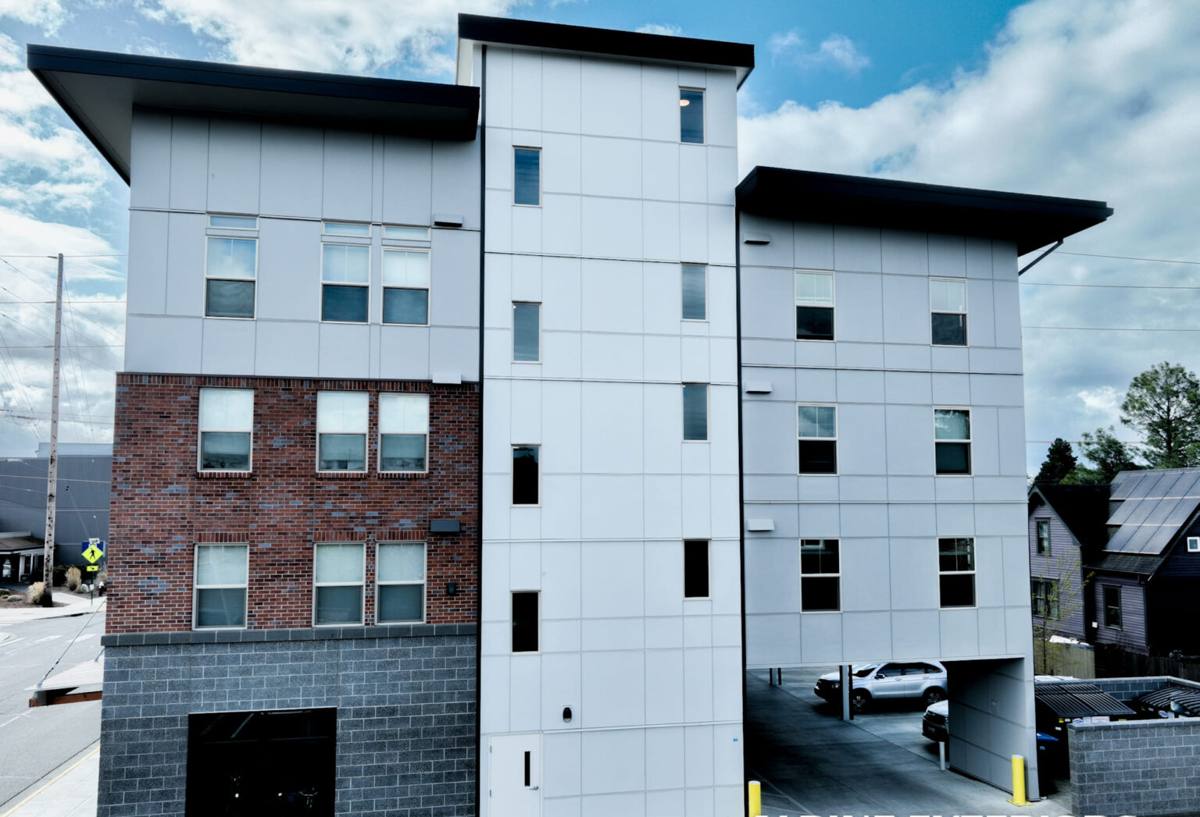
What Lynden's Climate Actually Does to Siding Over Time
Salt Air and Driving Rain
Even away from the immediate shoreline, salt-laden moisture moves inland on wind and settles on exterior surfaces. Combined with wind-driven rain that hits walls at an angle instead of falling straight down, siding in this region takes on water at seams, laps, and penetrations far more often than siding in calmer climates. Materials that swell, wick moisture, or trap water behind them are the ones that fail first.
Moss and Prolonged Dampness
Whatcom County's moss season isn't a two-week nuisance — shaded walls, north-facing elevations, and areas under tree cover can stay damp for months. Moss and algae hold moisture against the siding surface, which accelerates rot in wood-based products and can degrade coatings that weren't built for constant exposure. Siding here needs a finish that resists this kind of biological growth, not just a coat of paint that looks good on install day.
Temperature Swings and Material Movement
Lynden gets real cold snaps and real summer heat, and materials that expand and contract a lot with temperature will eventually work fasteners loose or open up gaps at the joints. Dimensional stability under these swings is one of the quieter reasons material choice matters as much as workmanship.
What a Correct Siding Installation Actually Involves
A siding job is really a water-management system, and the visible siding is only the last piece of it. Here's what has to happen underneath and around it for the whole system to hold up in this climate.
Weather-Resistive Barrier and Flashing
Every wall gets a properly lapped weather-resistive barrier before siding goes up, with flashing integrated at every window, door, and penetration so water is directed out and down, never trapped behind the cladding. This step is invisible once the job is done — which is exactly why it's the step that gets skipped on rushed installs.
Rainscreen Gap and Ventilation
Fiber cement siding performs best with a small air gap between the back of the siding and the wall assembly, allowing incidental moisture to drain and the wall to dry rather than staying saturated. In a climate with Lynden's rain volume and moss-friendly dampness, this detail is not optional if you want the siding to last its full service life.
Fastening and Clearances
Fasteners have to be placed at the manufacturer's specified location and depth — not just close enough. Siding also needs correct clearance from grade, roof lines, decks, and hardscaping so splash-back and standing water don't sit against the bottom edge of the material, which is one of the most common failure points we see on older installs in this area.
Caulking and Sealant Discipline
Sealant belongs at specific joints, not everywhere, and it needs to be the right product for a fiber cement substrate. Over-caulking traps moisture just as badly as under-caulking lets it in.
Why We Install Only James Hardie Fiber Cement Siding in Lynden
We standardized on James Hardie fiber cement siding for every home we side in this region, and Lynden's climate is a big part of why. Fiber cement doesn't absorb water and swell the way wood-based or wood-derived products can, and it doesn't feed moss and algae growth the way some other claddings do over time in a shaded, damp climate. It's also non-combustible, which matters to insurers and homeowners alike.
James Hardie's HZ5 product line is engineered specifically for regions with the kind of cold, wet weather Whatcom County sees, and the factory-applied ColorPlus finish is baked on under controlled conditions rather than field-applied — which means better, more consistent resistance to fading and moisture over the life of the siding than a job-site paint job can offer. It's backed by a strong transferable warranty, but only when the installation itself follows manufacturer specifications, which is why the installation details above aren't extra steps — they're the reason the material performs the way it's supposed to.
Signs a Lynden Home Needs New Siding
Some of these are obvious, some show up quietly over a season or two. Worth checking before problems move from the siding into the wall structure behind it.
- Soft or spongy spots when you press on the siding, especially near the bottom courses
- Persistent moss or dark streaking that comes back shortly after cleaning
- Visible gaps opening up at seams, corners, or trim joints
- Paint that's peeling, bubbling, or chalking heavily on one or more elevations
- Warping, cupping, or boards that no longer sit flat against the wall
- Rising energy bills with no other explanation, which can point to a failing wall assembly
- Interior signs like musty odors, peeling interior paint, or damp drywall near exterior walls
Our Installation Process
1. On-Site Assessment
We walk the whole exterior, check the condition of the existing wall assembly, note shaded and moss-prone elevations, and identify anything — old flashing, soft sheathing, drainage issues — that needs to be addressed before new siding goes up, not covered by it.
2. Prep and Repair
Any compromised sheathing or framing gets repaired first. We're not going to install premium siding over a wall assembly that's already got a moisture problem — that just hides the issue.
3. Weather Barrier, Flashing, and Rainscreen Installation
This is where the long-term performance of the job actually gets decided, well before the first piece of visible siding goes on.
4. Siding Installation to Manufacturer Spec
James Hardie panels, planks, or trim are installed to the fastening pattern, clearances, and joint treatment James Hardie specifies — which is also what keeps the warranty intact.
5. Final Walkthrough and Cleanup
We walk the finished job with the homeowner, check every elevation, and make sure the site is left clean.
Cost Factors for Siding Installation in Lynden
Every home is different, but these are the factors that most affect the scope and cost of a siding installation project in this area.
| Factor | Why It Matters | Impact on Lynden Homes |
|---|---|---|
| Home size and number of stories | More wall area and access complexity (staging, lifts) drive labor hours | Standard for the area; two-story homes add access cost |
| Existing siding removal | Tear-off, disposal, and sheathing inspection add time before new siding starts | Common on older homes with wood or aging vinyl siding |
| Sheathing or framing repair | Moisture damage found during tear-off needs to be fixed before re-siding | More likely on shaded, moss-prone, or older wall sections |
| Trim, corners, and architectural detail | More cuts, more flashing points, more labor per square foot | Varies widely by home style |
| Siding profile chosen | Lap, panel, and shingle-style Hardie products differ in material and install time | Homeowner preference and existing home style both factor in |
We provide a written, itemized estimate after the on-site assessment so you know exactly what's driving the number before any work starts.
Why Hiring a Crew That Already Works in Lynden Matters
A contractor who works this specific area regularly already knows which elevations tend to hold moisture, how local moss growth behaves through the seasons, and what wall conditions show up most often when older siding comes off. That's not something you can fully substitute with general experience — it comes from doing the work here, on homes with the same climate exposure yours has. It also means a shorter learning curve on your project and fewer surprises once the old siding comes down.
Caring for Your Siding After Installation
James Hardie fiber cement is low-maintenance compared to wood and doesn't need repainting on the schedule wood siding does, but it isn't zero-maintenance. A yearly rinse to keep moss and organic buildup from taking hold, prompt attention to any caulking that starts to fail, and keeping gutters and downspouts clear so water isn't dumping onto a wall section will all extend the life of the installation well beyond the manufacturer's baseline expectations.
If your Lynden home's siding is showing wear, or you're planning ahead before the next wet season sets in, we're happy to walk the exterior with you and give you a straight, no-pressure estimate — just fill out the form below to get started.