 Semiahmoo Siding
 Decks on the Semiahmoo Peninsula Work Harder Than Most
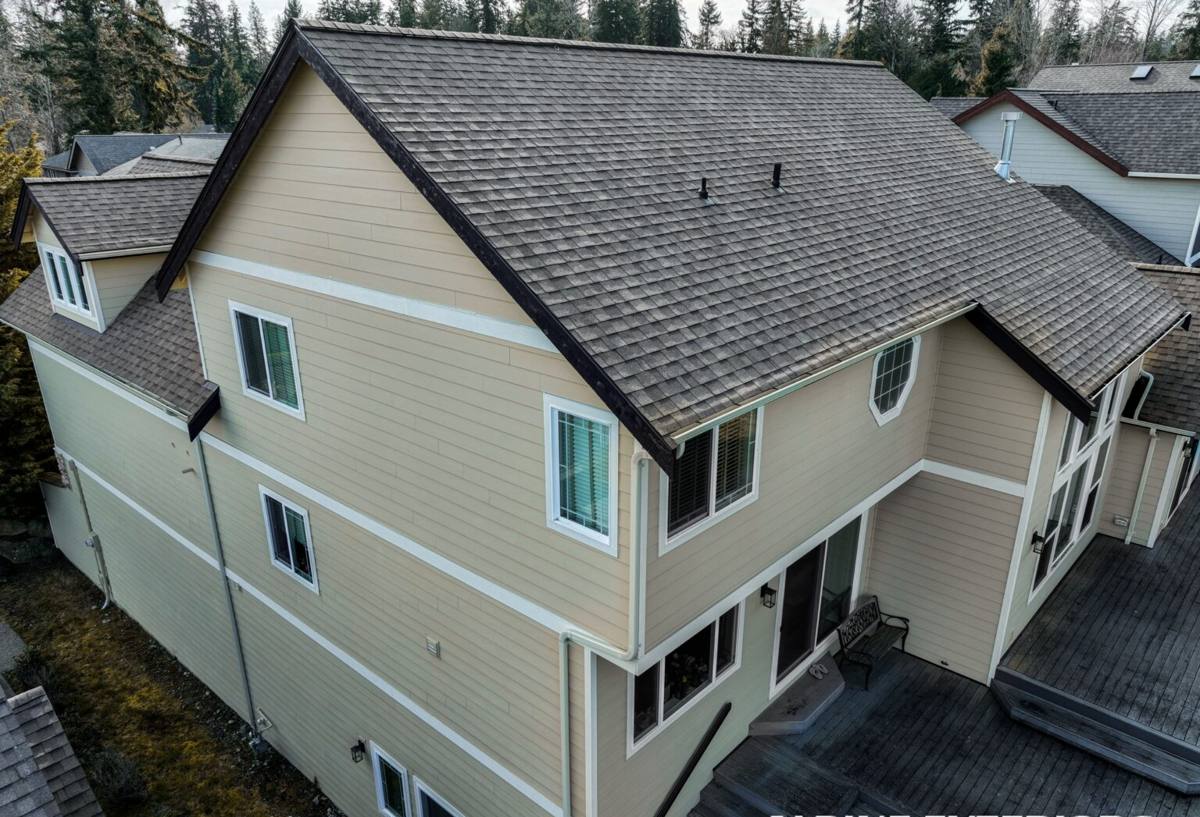
A deck in Semiahmoo Resort sits in one of the toughest microclimates in Whatcom County. Homes here are wedged between Semiahmoo Bay and Drayton Harbor, which means near-constant airborne salt, wind-driven rain coming off the water, and long stretches of shade and dampness that never fully dry out between storms. That combination is harder on wood, fasteners, and framing than a typical inland deck ever sees. We've repaired enough decks in this exact setting to know which failures show up here first, and which shortcuts in the original build tend to cause them.
This page covers deck repair specifically — not new deck construction — for homeowners in and around Semiahmoo Resort who are dealing with soft boards, rusted hardware, a spongy step, or a deck that just doesn't feel as solid as it used to.
What Salt Air and Rain Actually Do to a Deck
Corrosion Nobody Sees Until It Fails
Airborne salt doesn't just sit on the surface — it works into fastener heads, joist hangers, and any exposed metal connector, accelerating rust well beyond what the same hardware would see a few miles inland. Galvanized coatings that hold up fine in drier parts of the county can start failing years earlier on a waterfront property. The problem is that corrosion often starts on the underside of the deck, inside joist hangers or around nail heads, where nobody looks until a board finally gives way underfoot.
Moisture That Never Fully Leaves
Semiahmoo's marine layer, fog, and driving rain keep decks damp longer than a typical dry-side climate would. Add in a long moss season — moss and algae thrive in the shaded, north-facing, and low-airflow spots common on waterfront lots — and you get wood that's constantly cycling between wet and dry. That cycling is what causes cupping, splitting, and eventually rot, especially where boards meet the ledger, around post bases, and at any spot where two pieces of wood trap moisture between them.
Where We Find the Damage Most Often
- Ledger board connection where the deck meets the house — the single most common serious failure point
- Post bases where wood contacts concrete or grade, especially without a proper standoff
- Joist hangers and fasteners, particularly on the underside where salt and moisture linger
- Decking boards with persistent moss or algae staining — a sign moisture is sitting, not shedding
- Stair stringers, which see foot traffic and water exposure at the same time
- Railing posts at the point they meet the deck surface
Repair or Replace? How We Make That Call
Not every deck problem means starting over, and not every "just replace a board" job actually fixes the real issue. The honest answer depends on what's happening below the surface, not just what the top of the deck looks like.
| Component | Usually repairable | Usually needs replacement |
|---|---|---|
| Decking boards | Isolated cupping, splitting, or a few soft boards | Widespread soft spots, boards failing across most of the surface |
| Ledger board | Minor surface wear, flashing needs updating | Rot behind the ledger, water staining on the house siding above it |
| Framing / joists | One or two damaged joists, hangers need upgrading | Rot at multiple joists, visible sagging, spongy feel across sections |
| Posts | Surface weathering, hardware corrosion | Soft wood at the base, post no longer plumb or solid |
| Railings | Loose balusters, worn caps | Rot at post connections, railing that flexes under light pressure |
The table above reflects general patterns, not a diagnosis — every deck needs an actual inspection because damage that looks minor on top can be worse underneath, and vice versa.
What a Correct Deck Repair Actually Involves
A repair that only addresses what's visible from above tends to fail again within a couple of seasons in this climate. A repair done right starts from the structure and works outward:
- Full inspection of framing, ledger connection, post bases, and hardware — not just the decking surface
- Identify the moisture source, not just the rotted wood — a bad repair replaces boards without fixing the flashing, gap, or drainage issue that caused the rot in the first place
- Correct any structural issues (sistered joists, replaced hangers, corrected ledger flashing) before touching cosmetic decking
- Use fasteners and hardware rated for the exposure this location actually sees, not whatever was on the shelf
- Rebuild the surface with attention to drainage and airflow underneath, since trapped moisture is what starts the cycle over again
Skipping straight to "replace the boards" without checking what's underneath is the most common shortcut we see undone within a few years on waterfront decks like these.
Fasteners and Hardware: The Detail That Decides How Long a Repair Lasts
In a salt-air environment, hardware choice matters as much as the wood itself. Standard galvanized fasteners are built for general exterior use, but they weren't designed with sustained salt exposure in mind, and it shows in how much faster they corrode on a property like this compared to one a few miles from the water.
- Stainless steel fasteners and connectors — the standard we use for structural hardware in high-salt-exposure repairs; higher upfront cost, significantly longer service life here
- Hot-dip galvanized hardware — acceptable for some applications but should be checked more frequently in this environment and isn't our first choice for structural connections at ledgers or posts
- Coated deck screws — fine for general use but not a substitute for proper structural fasteners at load-bearing connections
We choose hardware based on where it sits on the deck and how much salt and moisture exposure that specific spot sees — a stair stringer connector and a decorative baluster screw don't need the same spec, and treating them the same either wastes money or invites premature failure.
Decking Material Considerations for a Waterfront Property
Whatever decking material is already on the house, repair work is a natural point to reconsider whether it's still the right fit for this specific exposure.
Wood Decking
Pressure-treated and cedar decking can perform well here, but they need consistent maintenance — sealing, cleaning, and prompt attention to moss growth — to keep moisture cycling in check. Skipped maintenance is the single biggest reason we see wood decks fail early on the peninsula.
Composite Decking
Composite boards resist rot and don't need sealing, which appeals to a lot of owners dealing with this climate. The trade-off is that composite still needs a properly built, well-ventilated frame underneath, and moss and algae can grow on its surface just like on wood if airflow and sun exposure are poor — composite reduces maintenance, it doesn't eliminate the need for it.
Neither material is a universal right answer. The better question is what the specific deck's orientation, shade, and exposure to the water call for, and what upkeep the homeowner actually wants to keep up with.
Our Process for Semiahmoo Resort Deck Repairs
We assess before we quote, and we quote before we start. That order matters, because a fair price depends on knowing what's actually wrong, not guessing from the driveway.
- On-site inspection of the full deck structure — framing, ledger, posts, hardware, and surface
- Plain-language explanation of what's failing and why, including what's driven by this location's climate specifically
- A written scope covering repair versus replacement options where relevant, with honest trade-offs for each
- Work scheduled around Whatcom County's wet season where possible, since some structural repairs need dry conditions to do properly
- Cleanup and a final walkthrough so you know exactly what was done and why
A Homeowner's Seasonal Deck Checklist
Between professional inspections, these are the things worth checking yourself, especially given how fast moisture-related issues can progress in this climate:
- Soft or spongy spots underfoot, especially near the house or at stair landings
- Persistent moss, algae, or dark staining that doesn't dry out between rains
- Rust streaks around screws, nails, or metal connectors
- Gaps or separation where the deck meets the house siding
- Railings or posts that flex or feel loose under normal pressure
- Standing water or slow drainage on the deck surface after rain
Why Local Experience on This Peninsula Matters
Semiahmoo Resort isn't a typical inland neighborhood, and decks here don't fail the same way or on the same timeline as decks elsewhere in Whatcom County. A crew that hasn't worked this specific exposure regularly may under-spec hardware, miss early corrosion signs, or apply a repair approach that's correct for a dry-side property but not for a deck facing the bay. Working this area regularly means we know which connections fail first here, which materials actually hold up, and how to schedule work around the area's weather patterns rather than fighting them.
If your deck is showing any of the signs above, or it's just been a while since anyone looked at it closely, we're happy to come take a look. The estimate is free, there's no pressure to move forward, and you'll get a straight answer about what's actually going on underneath.