 Semiahmoo Siding
 Window Installation for California Creek Homes
California Creek sits close enough to Semiahmoo Bay that homes here take a different kind of weathering than houses a few miles inland. Salt-laden air off the water, wind-driven rain that hits window walls at an angle instead of straight down, and the long gray stretch of fall through spring when moss and mildew never really stop growing — all of it works on window frames, sills, and the seals around them year after year. A window that's a good fit for a dry inland lot isn't automatically a good fit here, and installation habits that pass fine elsewhere in Whatcom County can leave a California Creek home with soft trim and fogged glass within a few winters.
This page covers window installation as its own service, specific to this area: what the climate actually does to windows, what a correct install looks like, how we run the job, and what to weigh when picking a contractor for this kind of work.
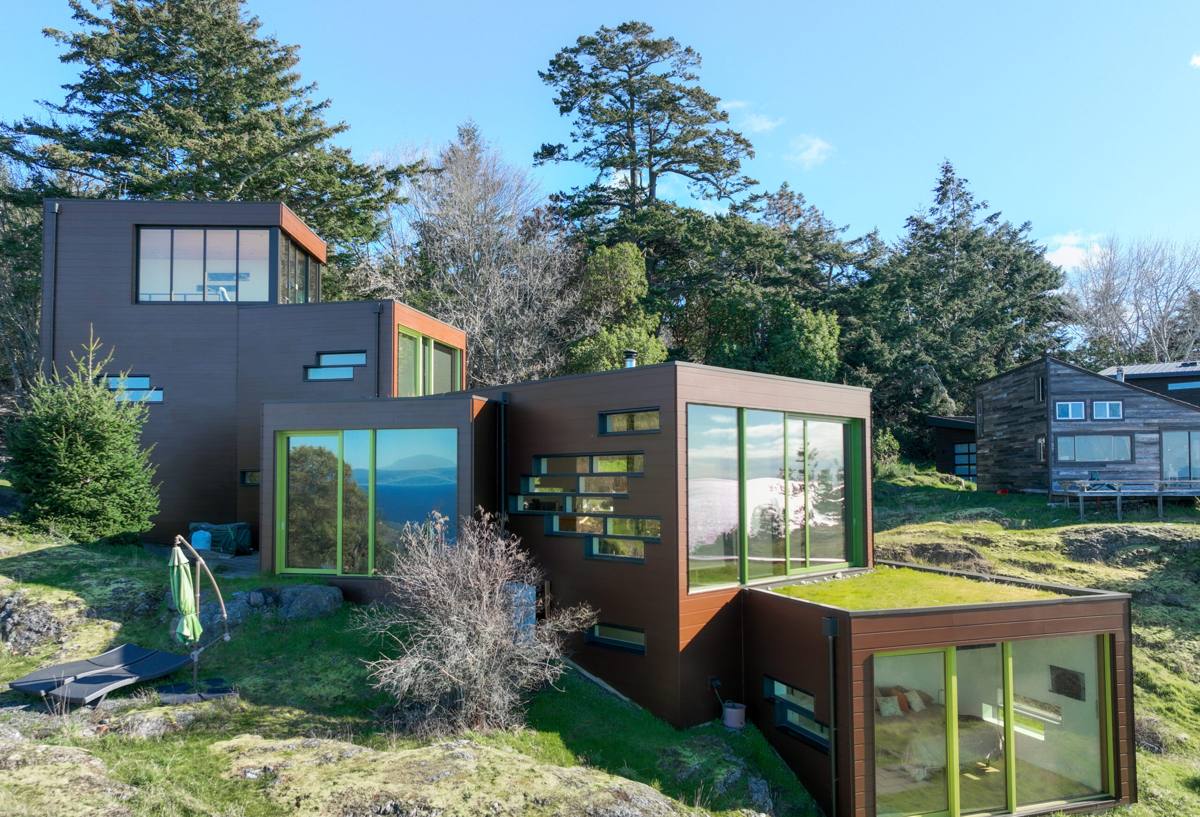
What the California Creek Climate Does to Windows
Salt Air and Metal Components
Proximity to Semiahmoo Bay means airborne salt reaches siding, trim, and window hardware even on homes that aren't waterfront. Salt accelerates corrosion on fasteners, hinges, and lower-quality cladding, and it can pit unprotected aluminum over time. It doesn't ruin every window, but it means hardware and flashing choices matter more here than they would forty miles inland.
Driving Rain and Wind Direction
Storms coming off the water tend to push rain sideways into west- and southwest-facing walls. That kind of wind-driven rain finds any gap in flashing or caulking that a straight-down rain never would. Window installation in this area has to assume water will hit the wall horizontally, not just fall on the sill.
The Long Moss Season
Whatcom County's wet season runs long, and shaded or north-facing walls stay damp for months at a stretch. Moss and algae take hold on any surface that doesn't dry out quickly, including window sills, trim, and the caulk lines around frames. Once moss gets a foothold in a seam, it holds moisture against the wood or composite underneath and speeds up rot from the outside in.
What a Correct Installation Involves
Most window failures we get called out to fix aren't the window itself — they're the installation. The window is only as good as the opening it sits in and the flashing that sheds water around it. A correct job includes:
- Removing the old window down to the framing and inspecting for hidden rot or water damage before anything new goes in
- Repairing or replacing any compromised framing, sheathing, or sill material found during removal
- Installing a proper drainage plane and flashing sequence so water is directed out and down, never trapped behind the siding
- Using self-adhering flashing tape at the sill and jambs, lapped correctly with the house wrap or building paper
- Setting the window level, plumb, and square, with shims that won't compress or rot over time
- Sealing with exterior-grade sealant rated for this climate, applied at the right points — not everywhere, since over-sealing can trap moisture
- Insulating the gap around the frame without over-packing, which can bow the frame and cause the sash to bind
- Finishing interior and exterior trim so water can't collect at horizontal joints
Skip any one of these steps and the window may look fine for a year or two while a slow leak works behind the trim. That's the failure pattern we see most often on older installs in this area — not a burst pipe of a problem, but a slow one that shows up as soft drywall or a musty smell long after the crew that installed it is gone.
Choosing the Right Window for This Location
Frame Materials
| Material | How It Handles This Climate | Trade-Offs |
|---|---|---|
| Vinyl (quality, welded-corner) | Doesn't corrode from salt air; low maintenance | Lower-end vinyl can warp with sun/temperature swings; quality varies widely by brand |
| Fiberglass | Very stable in wet, salty coastal air; resists warping | Higher upfront cost than vinyl |
| Wood (clad exterior) | Good look, but exposed wood needs consistent upkeep in a long wet season | Highest maintenance burden here; any gap in the cladding invites rot |
| Aluminum | Strong, but bare aluminum is vulnerable to pitting from salt air over years | Needs a quality finish/coating to hold up near the water; conducts cold |
We don't push one brand as the answer for every home — the right call depends on your budget, the home's exposure, and how much upkeep you want to do. What we won't do is install a frame material in a wide-open, salt-exposed wall that we know will need heavy maintenance within a few years just to look presentable. That's a maintenance conversation we have with every California Creek customer up front, not a sales pitch after the fact.
Glass and Weatherstripping
Double-pane, low-E glass is the baseline we recommend for this area — it cuts down on condensation on the interior side during cold, damp stretches, which matters when indoor humidity is already fighting a losing battle against the outside air. Weatherstripping should be a continuous, compressible seal, not just foam tape stapled in place; a broken seal here is an open door for both drafts and moisture.
Signs a California Creek Home Needs New Windows
- Visible fog or moisture between the panes (a failed seal, not fixable with caulk)
- Soft or discolored trim and sill wood, especially on west- or southwest-facing walls
- Persistent moss or dark staining in the corners of the window frame that keeps coming back after cleaning
- Windows that are hard to open, stick, or don't latch tightly — a sign the frame has shifted or swollen
- Noticeable draft or cold spot at the window even when it's fully closed
- Paint or finish that's peeling specifically around the window opening, not the wall in general
Any one of these on its own might just need a repair. Several together, especially on the weather-exposed side of the house, usually means the frame or the original flashing has failed and a repeat repair will cost more over time than a proper replacement.
Our Process
1. On-Site Assessment
We look at each window opening individually — exposure, existing flashing condition, and any signs of hidden water damage — rather than quoting a flat per-window price sight unseen. Homes near California Creek often have a mix of exposures, and a west-facing window needs a different level of scrutiny than one tucked under an eave on the lee side.
2. Straightforward Estimate
You get a written estimate that separates the window itself from labor, flashing, and any framing repair we expect to need. If we find rot once we open the wall, we tell you before we proceed, not after the invoice.
3. Careful Removal and Inspection
We don't just pull the old sash — we pull the whole unit and inspect the rough opening, because that's where most long-term problems actually start.
4. Installation to a Coastal Standard
Flashing, drainage, and sealing are done to handle wind-driven rain and salt exposure, not just a basic code minimum.
5. Cleanup and Walkthrough
We walk the finished windows with you, operate each one, and clear debris and packaging before we leave.
Cost Factors to Know Before You Budget
| Factor | Why It Matters Here |
|---|---|
| Frame material | Fiberglass and quality vinyl cost more upfront but hold up better against salt air and moisture |
| Window size and type | Larger openings and specialty shapes (bay, picture) take more labor and flashing detail |
| Wall exposure | West/southwest-facing openings often need more careful flashing work due to driving rain |
| Hidden framing repair | Homes with a history of leaks may need sill or stud repair once the old window is out |
| Number of openings | Doing multiple windows in one visit typically lowers the per-window labor cost |
| Trim and finish work | Matching existing exterior trim adds time versus a standard trim package |
We give a firm, itemized number after the on-site look — not a ballpark over the phone — because the exposure and condition of each opening genuinely changes the scope of work here.
Why Hire a Crew That Already Works This Area
A contractor who mainly works drier, inland parts of Whatcom County can still do a technically fine install and still get it wrong for California Creek, simply because they're not used to building in a flashing detail for sideways rain or sizing up how fast moss takes hold on a shaded sill here. We work windows and siding in this stretch of Semiahmoo regularly, so the coastal-specific steps — extra flashing lap at the sill, sealant choices that won't crack in salt air, framing that accounts for a long wet season — aren't an upsell, they're just how we build the job from the start.
Get a Free, No-Pressure Estimate
If you're dealing with drafty, foggy, or hard-to-operate windows, or you just want an honest read on whether a repair or full replacement makes more sense for your home, use the form below to request a free estimate. We'll look at your specific windows and exposure and give you a straight answer, not a sales pitch.