 Semiahmoo Siding
 Board & Batten Siding for California Creek Homes
California Creek sits close enough to the water that homes here deal with a different set of pressures than siding fifteen miles inland. Salt-laden air moves off Semiahmoo Bay and Drayton Harbor, wind-driven rain comes in sideways during winter storms, and the shaded, damp stretches along the creek corridor stay wet long after the rest of Whatcom County has dried out. Board & batten is one of the most requested siding styles in this area because of how it looks — clean vertical lines, strong shadow reveals, a fit with both older farmhouse-style homes and newer builds going for a modern coastal look. But the style only holds up if the material and the installation are matched to what this specific stretch of shoreline throws at a house.
This page is about that one service, in this one area: what board & batten needs to survive California Creek's climate, what a correct installation actually involves, and why the details matter more here than they would on a drier, more sheltered lot.
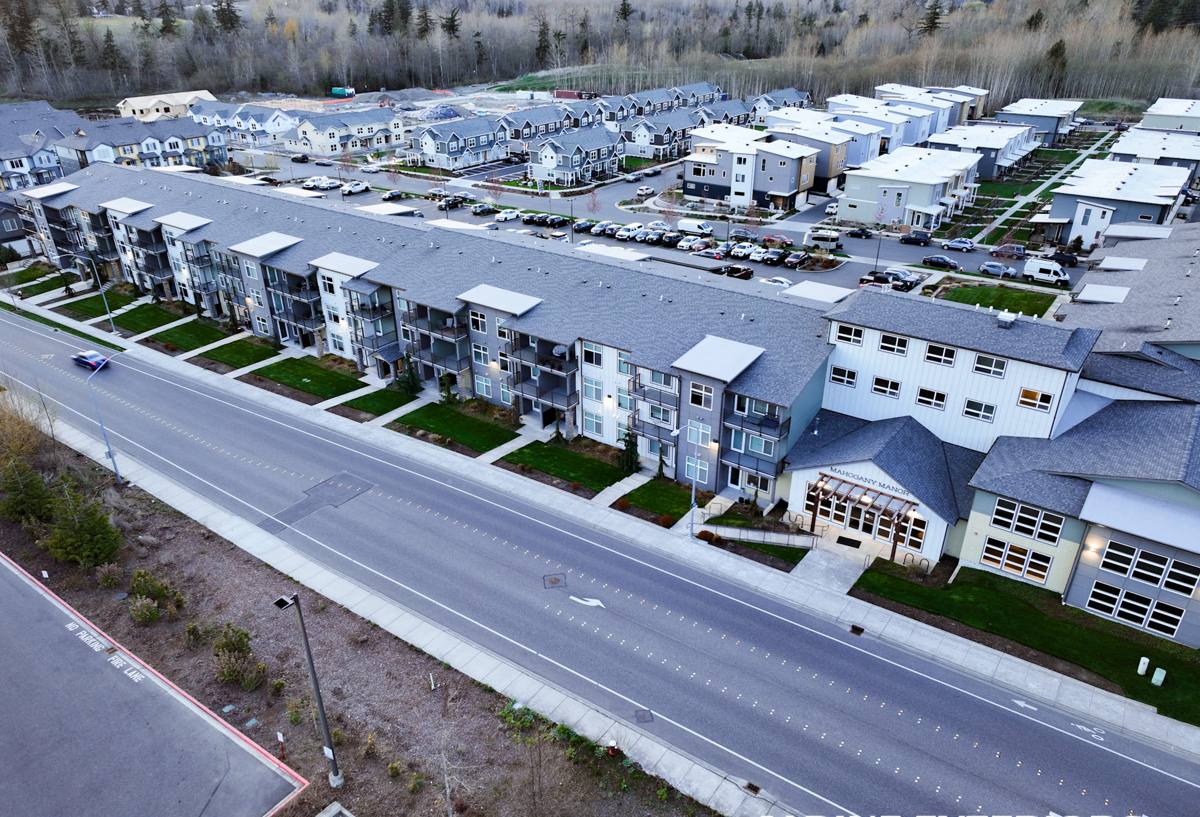
Why Board & Batten Fits This Neighborhood
Board & batten isn't just an aesthetic choice — it's a siding profile with real structural implications. Wide flat panels are joined at the seams by narrow vertical strips (battens), creating a rhythm of shadow lines up the wall. Homeowners in California Creek tend to choose it for a few consistent reasons:
- It reads as a natural fit with the area's mix of coastal cottage and modern farmhouse architecture.
- Vertical lines pair well with gable ends, dormers, and the taller wall sections common on view lots near the water.
- It's frequently used as an accent alongside horizontal lap siding — on a gable, a porch surround, or a second-story addition — which lets a home get the board & batten look without a full re-side.
- Fewer horizontal seams than lap siding, which some homeowners assume means less water exposure (true only if the vertical seams and battens are detailed correctly — more on that below).
The look is popular. The problem is that board & batten has more ways to go wrong than standard horizontal lap siding, and most of those failure points are hidden until the wall is opened up years later.
What California Creek's Climate Does to Siding
Salt Air
Proximity to Semiahmoo Bay and Drayton Harbor means airborne salt settles on exterior surfaces year-round, not just during storms. Salt accelerates corrosion on exposed metal fasteners and flashing, and it draws moisture — surfaces near the water stay damp longer than the same surfaces would a few miles inland. Any siding material or fastener that isn't rated for coastal exposure will show it first at the fastener heads and cut edges.
Driving Rain
Storms off the Strait of Georgia don't just fall straight down — wind pushes rain sideways into wall assemblies, and board & batten's vertical battens create more joints per square foot than a lap profile. Every batten seam is a potential water entry point if it isn't backed by a proper drainage plane.
Moss and Prolonged Dampness
The tree cover and creek-adjacent humidity in this pocket of Whatcom County keep north-facing and shaded walls wet for extended stretches, especially from late fall through spring. That's exactly the environment moss and algae need to establish. Once organic growth takes hold on a batten or panel face, it holds moisture against the surface even longer, which is where lesser materials start to fail from the outside in.
What a Correct Board & Batten Installation Involves
The visual style is simple. The build-up behind it is not — and it's the build-up that determines whether the siding lasts 10 years or 40 in a climate like this one.
Drainage Plane and Rainscreen Gap
Every board & batten installation on a California Creek home should start with a weather-resistive barrier and a rainscreen gap — a small air space between the siding and the wall sheathing that lets any moisture that gets past the surface drain and dry out instead of sitting against the wall. Skipping this gap is one of the most common shortcuts on lower-budget installs, and it's invisible once the siding is up.
Batten Spacing and Fastening
Battens need consistent spacing over the panel seams, fastened into framing (not just sheathing) with corrosion-resistant fasteners rated for coastal exposure. Inconsistent spacing isn't just a cosmetic flaw — gaps that are too wide leave seams under-supported, and fasteners that miss framing work loose over time as the assembly moves through wet and dry cycles.
Flashing at Every Transition
Windows, doors, roof-to-wall intersections, and the base of the wall all need integrated flashing that directs water out and away from the structure. On a vertical-profile siding, the horizontal transitions — window heads, belly bands, the bottom termination near grade — carry the most risk. Wind-driven rain finds the one detail that was rushed.
Panel and Batten Sealing
Factory-primed and factory-finished panels hold paint and caulking far better than field-painted material, especially at cut edges. Every cut edge on site should be sealed before installation, not left exposed to soak up moisture the first time it rains.
Material Comparison: Why We Install James Hardie Fiber Cement
Board & batten can be built out of several materials, and the differences matter more in a salt-air, high-rain environment than they would somewhere drier. We install James Hardie fiber cement exclusively — not primed spruce, not cedar, not vinyl, not LP SmartSide — because of how each of those performs over time under exactly the conditions California Creek sees every winter.
| Material | Moisture Behavior | Salt Air Durability | Long-Term Maintenance |
|---|---|---|---|
| James Hardie Fiber Cement | Engineered to resist moisture absorption and swelling; won't rot | Non-combustible, dimensionally stable, holds factory finish well near the coast | Periodic washing; ColorPlus finish resists fading and chipping |
| Cedar | Absorbs moisture, prone to cupping and splitting in wet cycles | Needs regular sealing/staining to resist salt and damp exposure | Frequent refinishing; higher long-term labor cost |
| Primed Spruce/Engineered Wood | Vulnerable at cut edges and seams if not fully sealed | Prone to swelling and edge failure in persistent damp conditions | Repainting and edge maintenance on a shorter cycle |
| Vinyl | Doesn't rot, but can warp or crack in temperature swings; seams can trap moisture behind panels | Can become brittle over time; color isn't refinishable | Low upkeep but limited repair options if damaged |
Fiber cement isn't magic — it still has to be installed with a proper drainage plane, correct fastening, and sealed cut edges to perform. But as a base material, it doesn't rot, doesn't feed moss the way bare wood can once the finish fails, and holds up to salt exposure better than wood or vinyl over a 20-30 year horizon. That's the standard we hold every job to, and it's why we don't offer the lower-cost alternatives even when asked.
Our Process for a California Creek Board & Batten Project
- On-site assessment. We look at wall orientation, existing moisture damage, roof drainage, and how much of the home is shaded or creek-adjacent — that tells us where the risk concentrates.
- Substrate check. Before any new siding goes up, we confirm the sheathing underneath is sound. Board & batten over compromised sheathing just hides the problem.
- Weather-resistive barrier and rainscreen installation. This is the layer that does the real work of keeping the wall assembly dry over decades — it goes on before a single panel is hung.
- Panel and batten installation. Consistent spacing, fastening into framing, and sealed cut edges throughout.
- Flashing and transition detailing. Windows, doors, rooflines, and the base of the wall get flashed and integrated with the drainage plane, not just caulked over.
- Final inspection and walkthrough. We go over the finished job with the homeowner before calling it done.
A Homeowner's Checklist: What Correct Board & Batten Looks Like
- Consistent batten spacing and reveal depth across every wall
- No visible caulk-only fixes at flashing transitions — flashing should be physically integrated, not sealed over
- Fastener heads flush and corrosion-resistant, not rusting within the first year or two
- A visible or documented rainscreen gap behind the siding, not panels installed flat against the barrier
- Factory-finished (ColorPlus) panels rather than field-painted material, especially at cut edges
- Clean, sealed termination at the base of the wall, away from soil and splash-back
Living With Board & Batten in a Salt Air, High-Moss Climate
Even correctly installed fiber cement siding benefits from periodic upkeep in this environment. A rinse with a garden hose a couple of times a year clears salt residue and organic buildup before it has a chance to establish, especially on shaded, north-facing walls near tree cover. Watch gutters and downspouts near board & batten walls — a clogged gutter that overflows onto a wall section defeats even a well-built drainage plane by soaking the same few feet of siding over and over. If moss does start to show on a wall, address it early with a gentle wash rather than pressure-washing, which can drive water behind panels and battens.
None of this is unusual maintenance for a coastal Whatcom County home — it's the same baseline care most exteriors need near the water. The difference with a correctly built board & batten wall is that the maintenance stays cosmetic instead of turning into a moisture problem behind the siding.
Cost Factors for California Creek Board & Batten Projects
Every home is different, but the main variables that move price on a board & batten job in this area are consistent enough to lay out honestly.
| Factor | Why It Matters Here |
|---|---|
| Wall exposure and orientation | Water- and wind-facing walls need more careful flashing and drainage detailing |
| Existing sheathing condition | Damp or damaged substrate must be repaired before new siding goes up |
| Full re-side vs. accent application | Board & batten used as a gable or porch accent costs less than a full wall replacement |
| Access and site conditions | Creek-adjacent lots, slopes, and tree cover can affect staging and crew time |
| Trim and transition complexity | Homes with more windows, dormers, and rooflines require more flashing detail work |
Why Hire a Crew That Already Works California Creek
Siding contractors who mostly work drier, inland jobs don't always build in the drainage and flashing margin that a salt-air, high-rain, moss-prone site actually needs — not out of carelessness, but because it's simply not the environment they detail for every day. A crew that regularly works Semiahmoo and the California Creek corridor already knows which wall orientations take the worst of the winter storms, how much of a rainscreen gap actually matters this close to the water, and where moss tends to establish first on a shaded elevation. That local pattern recognition shows up in decisions that aren't visible on a spec sheet — where to add extra flashing, which walls need a tighter batten spacing, how a termination detail should sit relative to grade on a lot that slopes toward the creek.
If you're weighing board & batten for a home in California Creek, we're glad to walk the property with you, look at what your walls are actually facing, and lay out honestly what a correctly built installation would involve — no pressure, no upsell. Reach out for a free estimate and we'll give you a straight answer on what your home needs.