 Semiahmoo Siding
 Why Blaine Harbor Siding Wears Differently
Homes near Blaine Harbor take a different kind of beating than siding fifteen miles inland. The harbor sits you close to open water, which means salt-laden air moving through every day, wind-driven rain that hits siding sideways instead of straight down, and a wet season that stretches long enough to grow a healthy crop of moss and algae on anything shaded or north-facing. None of that is dramatic on its own. It's the accumulation — years of salt film on fasteners, repeated soaking at the same seams, moss holding moisture against the wall — that eventually shows up as a repair call.
We work Whatcom County's waterfront and near-waterfront neighborhoods regularly, and Blaine Harbor homes tend to show the same handful of failure patterns. Knowing what those are, and what actually fixes them, is the difference between a repair that lasts and one you're paying for again in three years.
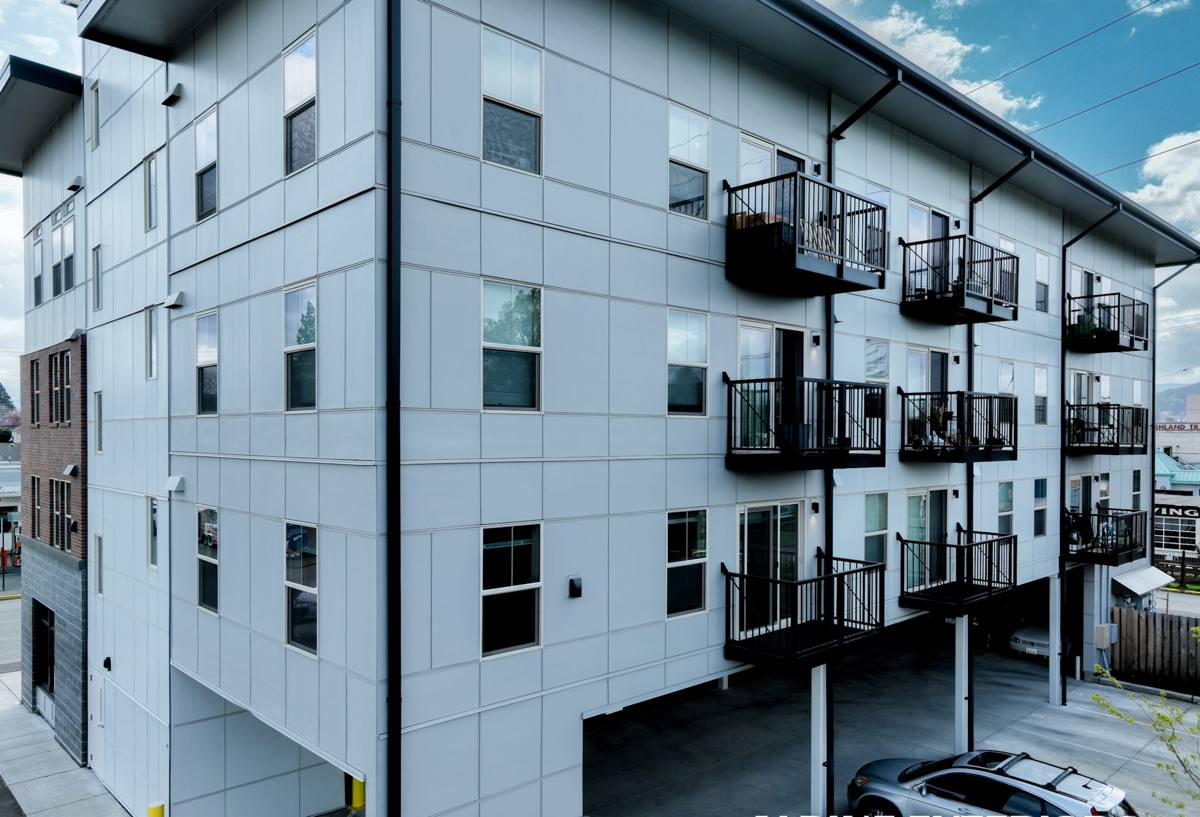
What Salt Air, Driving Rain, and Moss Actually Do to Siding
Salt Air
Airborne salt doesn't just sit on the surface — it works into fasteners, flashing, and any exposed edge or seam. Steel fasteners that aren't corrosion-resistant can rust and stain the siding around them years before the siding itself would otherwise need attention. Paint and factory finishes also break down faster under steady salt exposure, especially on the water-facing side of a house.
Driving Rain
Rain that comes in at an angle — common on exposed harbor-adjacent lots — pushes water into places a straight-down rain never reaches: under lap edges, behind trim, into butt joints where two pieces of siding meet. If those areas weren't caulked, flashed, or fastened correctly the first time, wind-driven rain will eventually find the gap.
Moss and Algae Season
Whatcom County's wet stretch runs long, and shaded or north-facing walls near mature trees or close neighboring structures stay damp for weeks at a time. Moss and algae don't just look bad — they hold moisture directly against the siding surface, which accelerates rot in wood-based products and can trap water behind panels if it's allowed to build up unchecked at seams and bottom edges.
Signs Your Siding Needs a Professional Look
Most siding problems near the harbor start small and stay hidden until they aren't. Here's what we tell homeowners to watch for between routine inspections:
- Soft, spongy, or bubbling spots when you press on the siding, especially near the bottom of walls or under windows
- Dark streaking, green or black growth concentrated on shaded or water-facing walls
- Rust streaks trailing down from nail or screw heads
- Cracked, split, or warped panels — often at butt joints or corners first
- Paint that's peeling, bubbling, or chalking faster on one side of the house than the others
- Gaps opening up at trim, window casings, or panel seams
- A musty smell or visible staining on interior walls that share an exterior wall with a problem area
- Siding that flexes or feels loose when you push on it near fastener points
Common Triggers and What They Mean
| What You See | Likely Cause | Why It Matters |
|---|---|---|
| Rust streaking from fasteners | Non-corrosion-resistant fasteners exposed to salt air | Fastener failure can loosen panels well before the siding itself is worn out |
| Soft or spongy panel sections | Water intrusion behind the siding, often at an unsealed seam | Left alone, this leads to sheathing rot and interior wall damage |
| Persistent moss/algae on one wall | Shade, poor airflow, and sustained moisture from the wet season | Trapped moisture accelerates deterioration even before rot is visible |
| Gaps at trim or butt joints | Original caulking or flashing detail failed or was skipped | Wind-driven rain will use any open gap as an entry point |
| Cracked or split panels near corners | Material fatigue, impact, or moisture-driven expansion and contraction | Cracks widen over time and become the next water entry point |
What a Correct Repair Actually Involves
A lot of siding "repairs" are really just patches — caulk over a crack, a fresh coat of paint over a stain, a new panel nailed over rotten sheathing. That buys a season, sometimes two, before the underlying problem resurfaces. Done correctly, a siding repair near the harbor means:
- Pulling back the affected siding to see what's actually happening underneath — sheathing condition, house wrap status, and how water was getting in
- Addressing the water source, not just the symptom — that might mean correcting flashing, re-sealing a seam properly, or fixing a drainage path, not just patching the visible damage
- Replacing damaged sheathing or framing if moisture has already reached it, rather than sealing over compromised wood
- Using corrosion-resistant fasteners appropriate for a marine-influenced environment
- Matching the repair material and finish so the fixed section doesn't stand out as an obvious patch
- Re-checking adjacent panels for the same failure pattern — if one seam failed, the ones next to it installed the same way are worth a look
Skipping steps 1 through 3 is how a $400 "quick fix" turns into a $4,000 wall rebuild two years later.
Repair or Replace? How to Tell
Not every problem area means the whole wall — or the whole house — needs new siding. But sometimes a repair is a temporary patch on a system that's failing broadly. Here's how we help homeowners think through it:
| Factor | Points Toward Repair | Points Toward Replacement |
|---|---|---|
| Extent of damage | Isolated to one or two panels or a single wall section | Recurring damage across multiple walls or elevations |
| Underlying material condition | Sheathing and framing are still sound | Rot has spread into structural sheathing in more than one spot |
| Age of existing siding | Siding is well within its expected service life | Siding is near or past the age where the material typically starts failing broadly |
| Root cause | A single identifiable flaw (one bad seam, one missed flashing detail) | A systemic issue — original install quality, product-wide failure pattern, or ongoing moisture exposure the material can't handle |
| Cosmetic match | Repair area can be matched closely enough to blend in | Original siding is discontinued, faded, or otherwise impossible to match well |
We'll always tell you honestly which side of that table your house falls on. A patch that's likely to fail again within a couple of years isn't a good use of your money, and we won't sell it to you as a long-term fix.
Our Repair Process
When we come out for a Blaine Harbor siding repair call, the visit isn't a five-minute look from the driveway. We walk the affected area, check adjacent sections and similar exposures elsewhere on the house, and open up enough of the wall to see what's actually going on before we quote anything. From there:
- We give you a straight assessment — what's failing, why, and what it will take to fix it correctly
- We quote the real scope, including any sheathing or framing repair the water damage requires
- We schedule around the weather — repair work on an open wall needs a dry window, and we plan for that rather than rushing it
- We use fasteners and flashing details suited to a marine-air environment, not generic interior-grade hardware
- We match materials and finish as closely as the original siding allows, or recommend a broader repair if a clean match isn't realistic
Why We Repair — and Replace — With James Hardie
When a repair calls for new material, we use James Hardie fiber cement, and we don't install anything else. It's a deliberate standard, not a default. Hardie's HZ5 product line is engineered specifically for harsher climate zones — including the kind of sustained moisture and salt exposure Blaine Harbor sees — and it's non-combustible, which matters on a coastline where dry summer stretches still bring wildfire smoke and ember risk inland.
Just as important for repair work specifically: Hardie's ColorPlus factory finish is baked on under controlled conditions, so it holds color and resists the fading and chalking that field-applied paint struggles with in salt air. That makes matching a repair section to existing Hardie siding far more reliable than trying to match a field-painted product years after the original install. And because fiber cement doesn't absorb and swell with moisture the way wood-based sidings can, a correctly installed Hardie repair isn't fighting the same rot cycle that caused the original damage.
We're not going to tell you every siding failure we see near the harbor is caused by the wrong material — plenty of it comes down to installation shortcuts, not product choice. But when the material itself is part of the problem, we'd rather have that honest conversation than patch a system that's going to keep failing.
Why It Matters That We Already Work Blaine Harbor
Siding repair done wrong near the water doesn't just look bad — it hides the next problem instead of fixing it. A crew that hasn't worked in a marine-air environment can misjudge how much of a wall is affected, use fasteners and sealants that aren't built for salt exposure, or match a repair with materials that fade or fail at a different rate than the surrounding siding. We know what Whatcom County's coastal wet season does to a wall, we know where water tends to find its way in on this kind of exposure, and we quote and repair accordingly — not based on assumptions from drier, more sheltered jobs.
If you're seeing staining, soft spots, moss buildup, or gaps opening up on your Blaine Harbor home's siding, we'll come take an honest look and give you a straight assessment — no pressure, no upsell if a targeted repair is genuinely the right call. Reach out using the form below to schedule a free estimate.