 Semiahmoo Siding
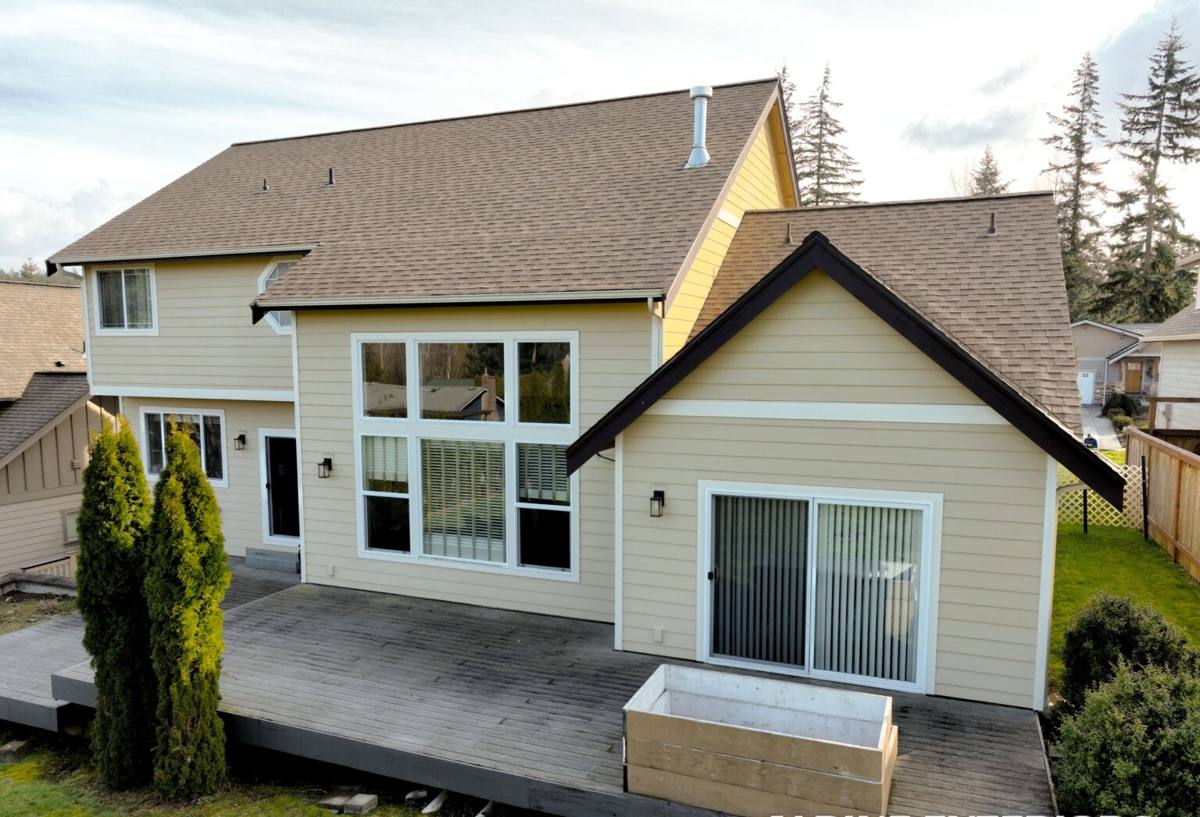
 Asphalt Shingle Roofing Built for the California Creek Climate
California Creek sits close enough to Semiahmoo Bay that homes here deal with a specific mix of weather stress: salt-laden air drifting off the water, long stretches of driving rain through fall and winter, and a moss season that can run for months if a roof doesn't get enough sun and airflow. Asphalt shingle roofing is still the most practical, cost-effective choice for most homes in this area, but only when it's specified and installed with that combination of conditions in mind. A shingle system that works fine forty miles inland can underperform here within a decade if it isn't detailed for salt exposure, moisture, and moss.
This page covers what a correctly built asphalt shingle roof looks like for a California Creek home, what tends to go wrong with roofs that weren't built for this specific stretch of Whatcom County, and how we approach the work.
Why This Local Climate Is Harder on Shingle Roofs Than It Looks
Salt Air
Even a mile or two off the water, airborne salt settles on roofing metal — flashing, drip edge, exposed fasteners, and any exposed valley metal. Over years, salt exposure accelerates corrosion on lower-grade metal and fasteners faster than it will inland. It doesn't damage the asphalt shingles themselves nearly as much as it does the metal components that make the roof system watertight, which is why material choice for flashing and fasteners matters more here than in a lot of the county.
Driving Rain
Storms coming off the water often bring rain sideways, not just straight down. That matters for a shingle roof because wind-driven rain can find its way under shingles at valleys, roof-to-wall transitions, and low-slope sections in a way that vertical rain never would. Underlayment quality, valley detailing, and shingle nailing pattern all become more important on a property exposed to this kind of weather.
Moss and Shade
California Creek's tree cover and the Pacific Northwest's long wet season are a near-perfect setup for moss growth on north-facing slopes and shaded roof sections. Moss holds moisture against the shingle surface, works its way under shingle tabs as it grows, and can lift shingle edges over time. A roof that isn't installed or maintained with moss prevention in mind will show granule loss and premature wear years before it should.
What a Correct Asphalt Shingle Roof Needs Here
Given those three stressors, here's what we consider non-negotiable on a California Creek installation:
- Corrosion-resistant flashing and fasteners at every metal point — valleys, drip edge, step flashing, and pipe boots
- A full synthetic underlayment, not just felt, for a stronger secondary water barrier under wind-driven rain
- Ice-and-water shield membrane at eaves, valleys, and any low-slope transitions where wind-driven rain is most likely to be pushed under the shingle course
- Proper nailing pattern and shingle exposure per manufacturer spec — under-nailing is one of the most common causes of early wind and rain failure
- Balanced intake and exhaust ventilation, since a roof that breathes properly dries faster after storms and resists moss better than a poorly vented one
- A zinc or copper strip detail on shaded, moss-prone slopes where it makes sense, to slow regrowth between cleanings
Asphalt Shingles vs. Other Common Roofing Choices for This Area
Homeowners in California Creek sometimes ask us to compare shingles against other roofing types before committing. Here's an honest breakdown based on how each performs under local conditions, not on marketing claims.
| Roofing Type | Upfront Cost | Performance in Salt Air / Moss Climate | Maintenance Burden |
|---|---|---|---|
| Asphalt shingles (architectural) | Moderate | Strong when properly flashed and vented; moss-manageable with periodic cleaning | Low to moderate — periodic moss treatment and gutter/valley checks |
| Metal roofing | Higher | Excellent moisture shedding; requires marine-grade or coated fasteners near the water to avoid corrosion | Low, but repairs and matching are more specialized |
| Wood shake/shingle | Higher | Very moss-prone in shaded, damp conditions; needs frequent treatment | High — regular cleaning and treatment required |
| Composite/synthetic shingle | Higher | Good moisture and moss resistance; newer product with less long-term local track record | Low |
For most California Creek homes, architectural asphalt shingles remain the right balance of cost, appearance, and durability — provided the details above are handled correctly. We're straightforward with homeowners when a different material makes more sense for their specific roof geometry or shade situation.
Our Process for California Creek Homes
1. On-Site Assessment
We walk the roof (or inspect from ladder and drone where pitch or access makes that safer) and look specifically at moss coverage, granule condition, flashing corrosion, valley condition, and ventilation. We also check the attic side when we can, since trapped moisture and poor airflow show up there before they show up on the surface.
2. Honest Scope: Repair, Partial Replacement, or Full Replacement
Not every roof with moss or a few damaged shingles needs full replacement. We'll tell you plainly if a cleaning, treatment, and targeted repair will buy you several more years versus needing a full tear-off. We don't upsell a full replacement when a repair is the honest answer.
3. Tear-Off and Deck Inspection
When replacement is the right call, we remove old roofing down to the deck and inspect the sheathing for rot or soft spots — common on older roofs that have had chronic moss or moisture problems. Any compromised decking gets replaced before new roofing goes down; installing new shingles over a soft deck just moves the problem a few years down the road.
4. Underlayment and Flashing First
This is where a roof built for California Creek's weather is actually decided. Synthetic underlayment, ice-and-water membrane at vulnerable points, and corrosion-resistant flashing all go in before a single shingle is laid. This step matters more here than material grade alone.
5. Shingle Installation
Manufacturer-spec nailing pattern, correct exposure, and proper starter course and ridge detailing. We don't cut corners on fastener count to save time — under-nailed shingles are one of the leading causes of wind and rain intrusion in coastal Whatcom County.
6. Ventilation Check and Correction
If intake or exhaust ventilation is inadequate, we address it as part of the job rather than leaving a new roof sitting on the same airflow problems that shortened the old one's life.
7. Final Walkthrough
We review the completed work with you, including any moss-prevention measures installed and what routine maintenance we'd recommend going forward.
Maintenance That Actually Matters Here
A well-installed shingle roof in California Creek still needs a bit of seasonal attention because of the local climate. This isn't a long list, but skipping it shortens roof life:
- Clear gutters and valleys of needles and debris before the fall rains start, since clogged valleys are where wind-driven rain most often finds a way in
- Have shaded, north-facing slopes checked for moss buildup at least once a year and treated before it establishes under shingle tabs
- Trim back overhanging branches where practical to reduce shade and debris accumulation, both of which feed moss growth
- Have flashing and fastener points visually checked periodically for corrosion, especially on homes closer to the water
- Address any small leak or granule loss promptly rather than waiting — small problems on shingle roofs get expensive fast once water reaches the deck
What Local Experience Actually Buys You
Asphalt shingle roofing isn't a complicated product on paper, but the difference between a roof that lasts its full expected life in this microclimate and one that fails early almost always comes down to installation detail — flashing choices, underlayment, nailing, and ventilation — not the shingle brand itself. A crew that works Semiahmoo and the surrounding Whatcom County coastline regularly already knows which slopes in this kind of terrain hold moss, how wind-driven rain behaves off the bay, and which flashing and fastener specs actually hold up against salt air over time. That's not something you get from a generic spec sheet; it's something you get from doing this work, in this exact climate, repeatedly.
We also stand behind our own workmanship separately from manufacturer material warranties, so you know exactly what's covered and by whom if a question ever comes up down the road.
Signs Your California Creek Roof Needs Attention
A few warning signs are worth acting on before they become bigger repairs:
- Visible moss or dark streaking on north-facing or shaded slopes
- Granules collecting in gutters or downspouts, which signals shingle surface wear
- Curling, cracked, or lifted shingle edges, especially after a windy storm season
- Rust staining around flashing, vents, or valley metal
- Any water staining on interior ceilings or in the attic after heavy rain
If you're seeing any of these, it's worth having the roof looked at before the next wet season rather than after.
Get a Straightforward Estimate
If you're weighing a repair, a partial fix, or a full asphalt shingle roof replacement for your California Creek home, we're happy to take a look and give you an honest read on where things stand. There's no pressure and no upsell — just a clear assessment and a fair estimate. Use the form below to request a free evaluation.