 Semiahmoo Siding
 Windows in Peace Arch: Built for Border-Area Weather
The Peace Arch area sits near the U.S.-Canada border in Blaine, close to Semiahmoo Bay and the open water that shapes weather across this stretch of Whatcom County. Homes here sit inside the same marine climate that affects the whole Semiahmoo peninsula — a lot of moisture moving through year-round, wind that regularly pushes rain sideways instead of straight down, and salt-tinged air drifting in off the bay. Windows sit right at the seam between the inside of a house and all of that weather, and in this part of the county, that seam gets tested more often than it does a few miles inland.
Semiahmoo Siding Company installs and replaces windows for homes in and around Peace Arch, and we treat every window as part of the larger exterior system rather than a standalone product swap. A window is only as good as the wall assembly it's built into — the flashing, the siding around it, the sill pan beneath it — and getting that right matters more here than it does in a calmer, more sheltered part of the county.
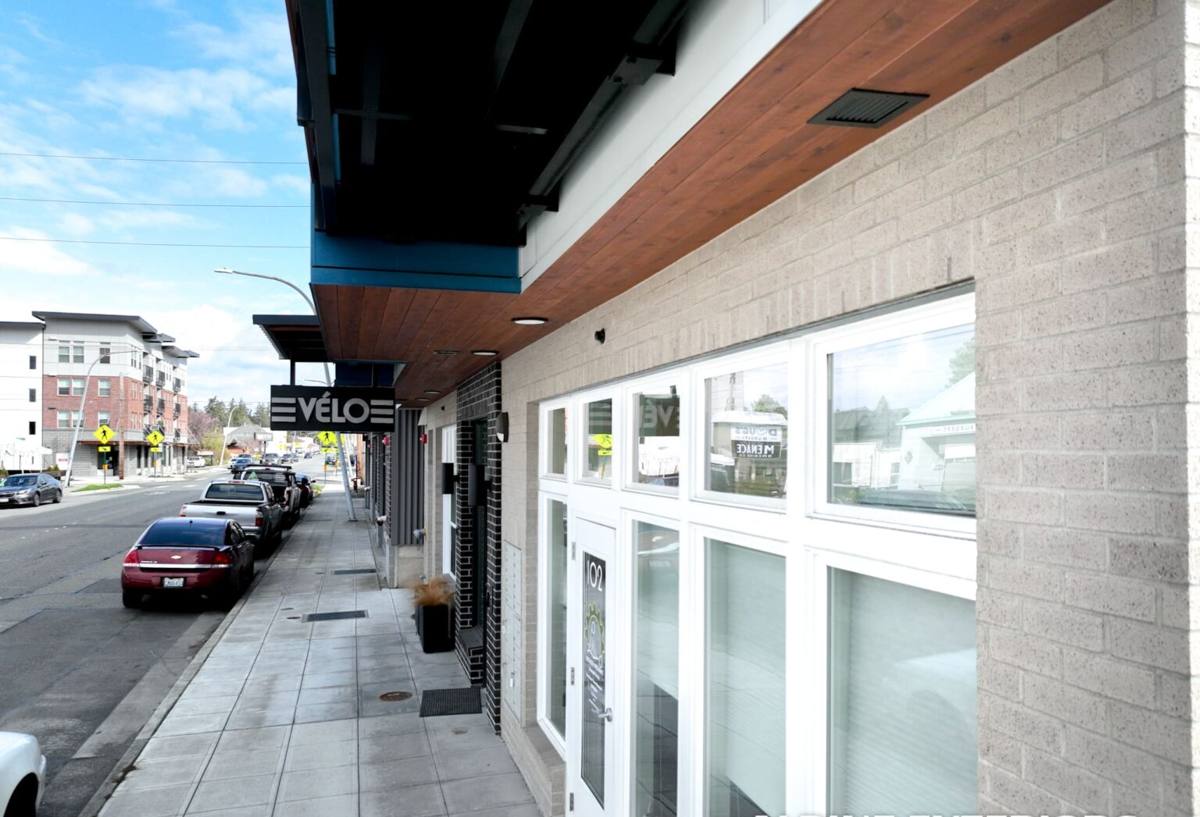
What This Climate Does to Peace Arch Windows
Salt Air and Hardware Corrosion
Proximity to Semiahmoo Bay and the open water nearby means Peace Arch homes take on a steady dose of salt-laden air, and that air is hard on window hardware over time. Locks, hinges, screen frames, and lower-grade fasteners corrode faster here than they would on a drier, inland property. Finishes that hold up fine in other parts of Washington can start pitting or stiffening within a handful of years right at the border, which is usually the first visible sign that a window's hardware wasn't specified for this level of exposure.
Driving Rain and Flashing Failures
Rain in this part of Whatcom County rarely falls straight down. Wind off the water pushes it sideways into window flashing, head trim, and the sill beneath the frame, and that sideways force is a tougher test of the installation than of the window itself. A quality window with poorly integrated flashing will leak; a modest window installed with a correctly pitched sill pan and properly lapped flashing usually won't. Most of the water intrusion we find around windows in this area traces back to how the window was installed, not what brand it is.
A Long Moss and Mildew Season
Mild temperatures and near-constant humidity give moss and mildew a long season across the Semiahmoo peninsula, and Peace Arch's location near open water doesn't shorten it. Window sills that don't drain well, and trim on shaded or north-facing walls, hold moisture longer than they would in a drier climate. On wood-framed windows especially, that sustained dampness is what eventually leads to soft, discolored sills and slow rot at the lower corners of the frame.
What a Correct Window Installation Involves
Most window problems we see in this area aren't failures of the window product — they're shortcuts taken during installation that don't show up until a wet season or two later. On every job around Peace Arch, that means treating the following as standard, not optional:
- A properly pitched sill pan that sheds water outward instead of letting it collect under the frame
- Head flashing integrated with the housewrap or building paper above the window, lapped so water sheds down and away
- Jamb flashing tied into the surrounding wall assembly, not sealed with caulk as a substitute for proper flashing
- Weep holes and drainage paths left clear and functional rather than sealed shut during trim work
- Corrosion-resistant fasteners and hardware rated for a consistently damp, salt-influenced setting
- Air sealing and insulation around the frame that doesn't trap moisture against the framing
None of these steps add much to the cost of a job relative to the window unit itself, but skipping any of them is exactly what turns a window that should last decades into one that's leaking behind the wall within a few winters.
Frame Materials: What Holds Up in This Climate
There's no single correct answer for every home — budget, sun exposure, and how long you plan to stay in the house all factor into the decision. What matters is understanding the real trade-offs for a climate with this much sustained moisture and salt exposure before choosing.
| Frame Material | Moisture & Corrosion Behavior | Typical Maintenance | Realistic Lifespan Here |
|---|---|---|---|
| Vinyl | Won't rot; seam and weld quality matters more near the water | Low; occasional track and weep-hole cleaning | 20-30 years |
| Fiberglass | Dimensionally stable, holds up well against moisture and corrosion | Low | 30-40+ years |
| Wood, painted or clad | Attractive but vulnerable at joints and sills without regular upkeep | Higher; ongoing paint or finish maintenance | 15-30 years depending on upkeep |
| Aluminum | Conducts cold and can corrode in salt-influenced air unless well-finished | Moderate | 20-30 years |
We'll talk through which frame material fits your home's exposure and budget rather than defaulting to whichever product is easiest to sell. A window on a shaded, inland-facing wall doesn't necessarily need the same spec as one on a wall that takes the brunt of wind off the bay.
Full-Frame Replacement vs. Insert Replacement
One of the first decisions on any window project is whether to do a full-frame replacement, which removes the old window down to the rough opening and rebuilds the flashing from scratch, or an insert replacement, which fits a new window into the existing frame. Insert replacement is faster and less disruptive to the surrounding siding and trim, and it's a reasonable choice when the existing frame is sound and was properly flashed to begin with. Full-frame replacement costs more and takes longer, but it's the honest recommendation when there's already moisture damage at the sill or jambs, or when the original flashing was never done correctly. We'll tell you which situation your home is actually in instead of defaulting to the cheaper option and sealing a moisture problem up behind a new window.
Window Styles That Perform Well on Wind-Exposed Walls
Operation type matters almost as much as frame material on a wall that takes direct wind off the water. Casement windows, which crank outward and seal by compressing the sash against the frame, generally resist wind-driven rain better than sliding or single-hung styles, because wind pressure presses the sash tighter into its seal instead of working to pry it open. Single-hung and double-hung windows rely on a compression fit along a vertical track, which can be more vulnerable to air and water infiltration on a heavily wind-exposed wall, though a well-built unit with quality weatherstripping still performs fine in most locations around Peace Arch. Sliding windows tend to be the least wind-resistant style and generally make more sense on sheltered elevations than on a wall facing open water directly.
We factor wall orientation into the style recommendation, not just the room's function or the look you're going for. A wall that catches prevailing wind off the bay is worth a harder look at casement or fixed-plus-casement combinations, even on a house where a sliding or double-hung unit would be the default choice on a more sheltered elevation.
Signs a Peace Arch Home Needs Window Attention
- Fogging or condensation between panes, usually meaning a failed seal on a double- or triple-pane unit
- Drafts or a noticeable temperature difference near a closed window
- Soft, discolored, or spongy trim and sill material, especially on shaded or weather-facing walls
- A window that's become difficult to open, close, or latch
- Peeling paint or bubbling finish on wood-framed windows
- Visible gaps, cracked caulk, or daylight around the frame from inside the house
- Water staining on interior wall or ceiling surfaces near a window
Any one of these is worth a professional look. Caught early, most point to a repair or resealing job rather than full replacement. Left through another wet season this close to the water, several of them turn into water damage in the surrounding wall framing.
Our Installation Process
We start with an on-site look at the existing windows and the wall assembly around them, not just the window units themselves. That includes checking the condition of the flashing, sill, and surrounding siding or trim, since a window replacement done without addressing an underlying moisture problem just seals that problem up behind new material. From there we put together a clear, written scope before any work starts, so you know exactly what's being done, in what order, and why. Permitting and code compliance are handled as part of that process rather than left for the homeowner to sort out. During installation, flashing, sill pan pitch, and corrosion-resistant fastening are treated as standard practice on every job in this area, not as upgrades you have to ask for.
Why a Local Peace Arch Crew Matters
A crew that installs windows in this specific part of Whatcom County through every season learns how salt air, wind-driven rain, and a long moss season actually behave on real houses near the border, not just how a product performs on a spec sheet. That shows up in small, practical decisions: how a sill pan should be pitched for a wall that catches wind straight off the bay, which fastener grade holds up on a shaded, moisture-prone elevation, which window style is worth recommending on an exposed wall, and where extra flashing detail is worth the time on install day. It also means understanding how a Peace Arch property near open water differs from a home a few miles inland, and not treating the two the same way.
Beyond Windows: The Rest of the Exterior
Windows are one piece of a larger exterior system, and the same climate that wears on a window wears on everything around it. Semiahmoo Siding Company also handles siding, roofing, and decks, and on siding specifically we install James Hardie fiber cement as our standard, chosen for how it holds up against sustained moisture and salt air compared to lower-cost alternatives. If a window project in Peace Arch turns up moisture damage in the surrounding siding, or a roofline detail that's letting water in above a window, we can address it as part of the same conversation instead of sending you to find a second contractor.
If your Peace Arch home has windows that are drafty, fogging, hard to operate, or simply past their useful life, we're glad to take a look and give you a straightforward read on what it actually needs. Reach out using the form below to schedule a free, no-pressure estimate.