 Semiahmoo Siding
 Windows in Sumas Work Harder Than Most People Realize
A window looks like a simple thing: glass, a frame, some trim. But in Whatcom County, that frame is holding the line against weather that doesn't let up for months at a time. Sumas homes see long stretches of driving rain, wind that pushes moisture sideways into siding and window seams, and air carrying salt off the water that speeds up corrosion on hardware and fasteners. Add a moss season that can run from fall through spring, and you've got a climate that finds every weak point in a window system — old caulk, worn weatherstripping, a sill that was never properly flashed.
None of that is a reason to panic about your windows. It's a reason to make sure that when you do replace or upgrade them, the job accounts for how this specific climate behaves, not just how windows perform in a showroom.
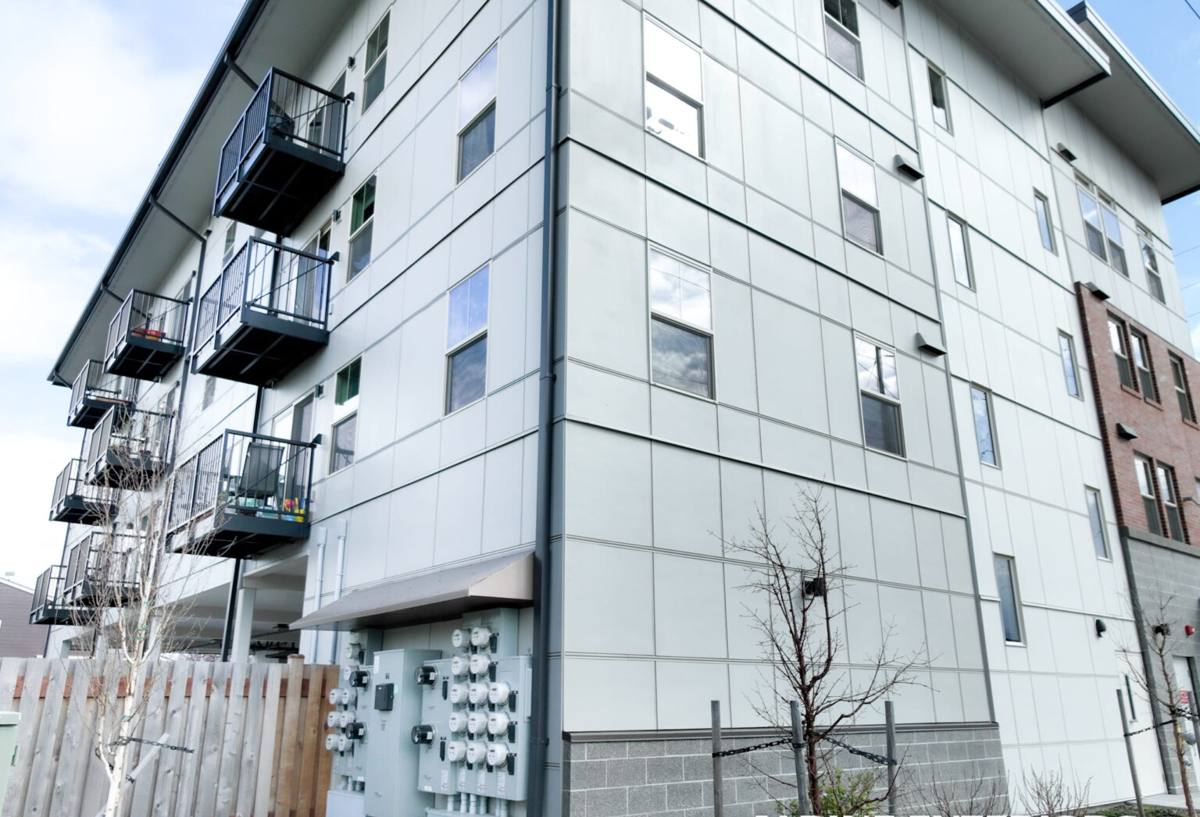
What "Custom" Actually Means for a Window Job
Older homes in this area were rarely built with perfectly square, standard-sized openings — and decades of settling, moisture cycling, and prior repairs only add to the variation. "Custom" isn't a marketing word here; it's a practical necessity. It means:
- Measuring each opening individually instead of assuming they match a catalog size
- Building or ordering windows sized to the actual rough opening, not forcing a standard size to fit
- Matching frame material, sightlines, and grid patterns to the rest of the home so new windows don't look bolted on
- Accounting for out-of-square or out-of-level openings, which are common in older Whatcom County homes
- Selecting glass packages based on which direction a window faces and how much weather it takes on
Skipping this step is how homeowners end up with a window that technically fits but leaves gaps that get packed with extra caulk and foam — a fix that fails again within a few wet seasons.
Signs It's Time to Replace, Not Just Repair
Not every window problem means full replacement. But there's a point where repair is just delaying the inevitable and spending money that doesn't carry forward. Watch for:
- Wood frames that are soft, spongy, or crumbling at the corners or sill
- Fogging or moisture between panes on double- or triple-pane units — a sign the seal has failed
- Windows that won't stay open, won't latch, or have become difficult to operate
- Visible daylight or a noticeable draft around the frame when it's windy
- Moss or dark streaking building up on the sill or below the window, suggesting water is sitting where it shouldn't
- Condensation on the inside of the glass regularly, which can point to poor seals or inadequate glass performance for our climate
- Paint or finish that keeps failing in the same spot no matter how often it's touched up
If you're only seeing one or two of these, a repair or targeted resealing might genuinely be enough. If you're seeing several across multiple windows, that's usually a sign the whole system — frame, flashing, and glass — is past the point where patching makes sense.
How a Window Job Should Actually Go
On-Site Assessment
Before anything is ordered, we look at each opening: what condition the framing and sill are in, whether there's existing water damage, how the window relates to the siding and trim around it, and what's realistic given the home's age and construction. This is also when we talk through material and glass options based on which walls take the worst weather.
Removal and Rough Opening Prep
Old windows come out carefully so we can actually see the condition of the framing underneath — this is often where hidden rot or old, inadequate flashing shows up. Any damaged wood gets addressed before a new window ever goes in. Installing a new window over a compromised opening just locks the problem behind new trim.
Flashing and Weatherproofing
This is the step that matters most for a climate like ours and the one that gets rushed on cheap jobs. Proper flashing directs water up and out and away from the framing, integrated correctly with the house wrap or building paper already on the wall. Get this wrong and no amount of caulk on the outside will keep water from working its way in over time.
Setting, Shimming, and Sealing
The window gets set level and plumb, shimmed so it doesn't bind or bow, and fastened per the manufacturer's specifications — which matters for keeping any warranty valid. Insulation goes around the frame, followed by exterior sealant designed to move with the building rather than crack and let water in after one season.
Final Walkthrough
Every window gets operated, checked for square, and inspected for a clean seal — inside and out — before we call the job done.
Choosing a Frame Material for This Climate
There's no single "best" window material for every home — it depends on budget, how much upkeep you want to take on, and how the window will be used. Here's how the common options generally compare for a climate with sustained rain, moisture, and salt-carrying air:
| Material | Moisture Resistance | Maintenance | Typical Trade-Offs |
|---|---|---|---|
| Vinyl | Very good — won't rot or corrode | Low; occasional cleaning | Limited color/finish changes over the window's life; frame is not paintable long-term |
| Fiberglass | Excellent; stable in wet, swinging temperatures | Low | Higher upfront cost than vinyl |
| Aluminum-clad wood | Good on the exterior; wood interior needs protection from any leaks | Moderate — depends on interior finish | More sensitive to installation quality; any water intrusion affects the wood core |
| Solid wood | Requires diligent maintenance to perform well here | High — regular painting/sealing | Best appearance for period-correct homes, but least forgiving of our wet season if upkeep lapses |
For homes taking direct weather in Sumas, we generally steer homeowners toward vinyl or fiberglass for exposed elevations, and reserve wood or wood-clad options for more protected walls or where matching an existing architectural style matters more than minimizing upkeep. That's a professional recommendation based on how these materials hold up over years of our weather — not a knock on wood windows done right.
Glass Packages Worth Considering
The frame keeps water out; the glass does most of the work on comfort and energy performance. A few options worth understanding:
- Double-pane with Low-E coating — the standard baseline for most replacement projects; a solid balance of cost and performance
- Triple-pane — better insulation and sound dampening, worth considering on north- and west-facing walls that take the brunt of wind-driven rain and cold
- Argon or krypton gas fill — improves insulating performance between panes at a modest added cost
- Tempered glass — required by code in certain locations (near doors, low to the floor, in wet areas) regardless of style
We size the glass package to the wall, not just the whole house — a window on a sheltered, south-facing side doesn't need the same spec as one facing straight into the weather.
What Affects the Cost of a Window Job
Every home is different, so we don't quote sight-unseen — but these are the main factors that move the price up or down on a typical project:
| Factor | Why It Matters |
|---|---|
| Frame material | Vinyl is generally the most budget-friendly; fiberglass and wood-clad cost more upfront |
| Number of windows | Per-window cost typically drops on larger, full-house projects |
| Condition of the rough opening | Hidden rot or damaged framing adds repair time before installation can begin |
| Glass package | Triple-pane and specialty coatings cost more than standard double-pane |
| Window size and access | Larger openings, upper floors, and tricky access all add labor time |
| Trim and finish work | Matching existing interior/exterior trim adds carpentry time versus a basic install |
We'll walk through these factors specific to your home during the estimate so there aren't surprises once the job starts.
Why Hiring a Crew That Already Works in Sumas Matters
Window installation is one of those jobs where the visible result and the actual quality can look identical on day one — the difference only shows up two or three wet seasons later, when a poorly flashed window starts letting water into the wall cavity. A crew that regularly works this part of Whatcom County has already seen how local siding types, older framing methods, and this climate interact, and builds the installation around that instead of following a generic checklist.
That local experience also means we're not guessing about which materials and glass specs are worth the extra cost here and which upgrades are more relevant to a drier climate. It's the difference between a window that's installed correctly for a showroom and one that's installed correctly for Sumas.
Living With New Windows: Simple Upkeep That Pays Off
New windows still need basic seasonal attention to get their full lifespan out of them:
- Rinse frames and sills periodically to clear salt residue and grime before it builds up
- Keep gutters and downspouts clear so overflow isn't running down onto window heads
- Check exterior caulking once a year, especially after the first winter, and touch up any cracking
- Clear moss or debris from sills and tracks before it holds moisture against the frame
- Operate each window a few times through the year so hardware doesn't seize up
None of this is heavy maintenance — it's a few minutes per window a couple of times a year — but it's the difference between windows that perform well for decades and ones that start showing problems early because small issues went unnoticed.
If your windows in Sumas are drafty, fogging, hard to operate, or just original to a home that's due for an upgrade, we're happy to take a look and give you a straight assessment — no pressure, no upsell. Use the form below to request a free estimate and we'll walk the property with you.