 Semiahmoo Siding
 Storms Hit Laurel Roofs Harder Than the Forecast Suggests
Laurel sits close enough to Semiahmoo Bay and the open water of the Strait of Georgia that weather here rarely arrives straight down. Wind off the water pushes rain sideways, drives it up under shingle tabs, and forces it into gaps that would stay dry in a calmer climate. A storm that looks minor on the radar can still do real damage to a roof that's already a few years into its service life, especially if the last inspection was a while ago.
Whatcom County gets a steady run of fall and winter systems, and most of them bring the same combination: sustained wind, hours of rain, and enough humidity afterward that a roof never fully dries out between events. That's a different stress pattern than a roof faces in a drier inland climate, and it's why storm damage here tends to show up as slow leaks and hidden rot rather than one dramatic failure.
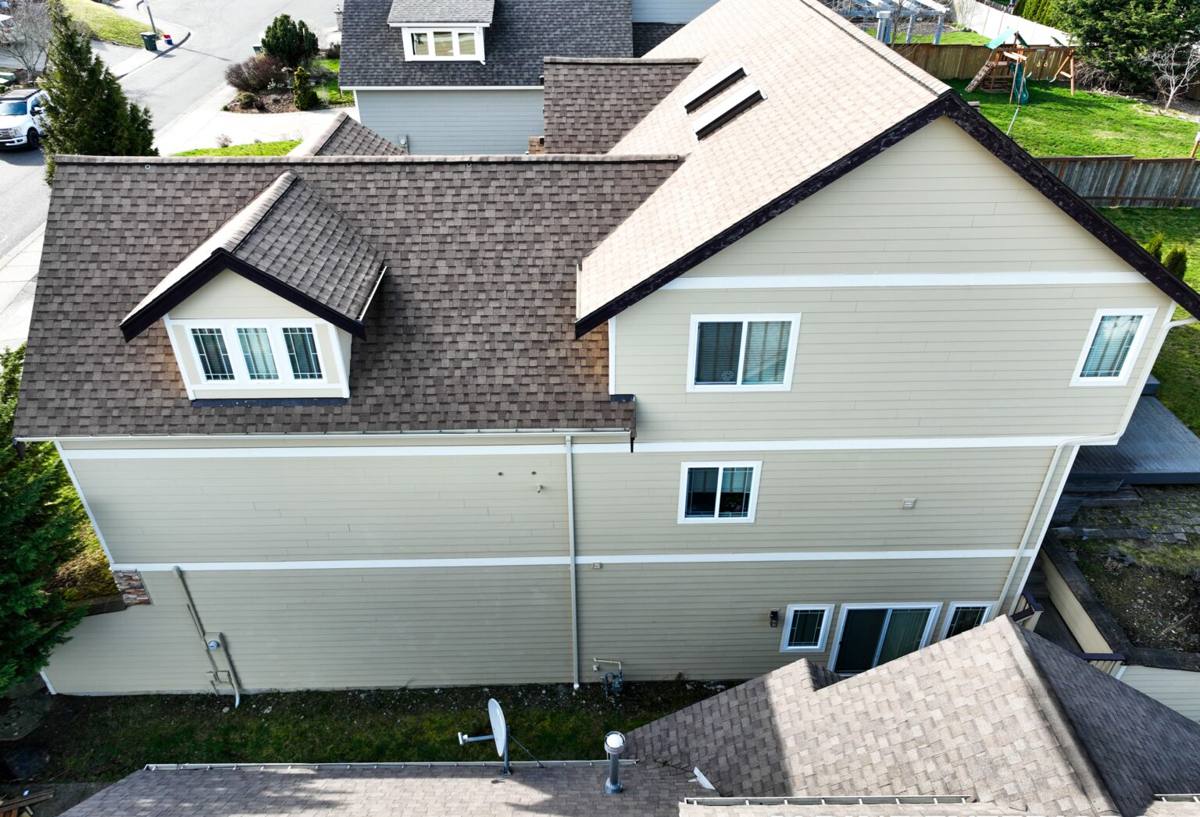
What Storm Damage Actually Looks Like on a Local Roof
Wind Damage
Sustained gusts lift shingle tabs and break the seal strip underneath, even when the shingle itself doesn't tear off. Once that seal is broken, it usually doesn't reseal on its own — the shingle sits slightly open and lets water in every time it rains, even in weather far calmer than the storm that caused it.
Wind-Driven Rain
Because our storms push rain at an angle instead of straight down, water gets forced under flashing around chimneys, skylights, and roof-to-wall transitions that would shed a vertical rain just fine. This is one of the most common sources of storm-related leaks we find, and it's often mistaken for a roofing material failure when the real problem is flashing that got overwhelmed.
Debris Impact
Falling branches and blown debris can crack or puncture shingles, dent metal flashing, or knock granules loose in a concentrated spot. The damage is often small and localized, but a single puncture is enough to start a leak that spreads through the decking before it ever shows up as a stain on the ceiling below.
Moss Season Makes Storm Damage Worse
Whatcom County's moss season runs long — shaded, north-facing roof sections in particular can stay damp for months at a stretch. Moss isn't just cosmetic. It holds moisture directly against the shingle surface, works its way under tabs and around fasteners, and can physically lift the edges of shingles as it grows. A roof that goes into storm season with an established moss mat is already weaker at exactly the points where wind and rain are going to test it.
This is why we treat moss as part of storm damage assessment, not a separate issue. A shingle that tore loose in high wind often had moss growth undermining its seal for a year or more beforehand. Repairing the storm damage without addressing the moss just sets the same spot up to fail again in the next system that comes through.
What a Correct Repair Involves — Not Just a Patch
A Full Inspection, Not Just the Obvious Spot
The visible damage — a missing shingle, a stain on the ceiling — is rarely the whole story. Wind and rain damage tends to affect a wider area than what's obviously broken, so a correct repair starts with checking the surrounding field of shingles, the flashing, and the decking underneath, not just the spot the homeowner noticed.
Matching Materials and Proper Flashing
A patch that doesn't match the existing shingle's profile, color, or granule blend will weather differently and stand out for years. More importantly, any flashing that was disturbed — around a chimney, vent, or wall transition — has to be reset or replaced correctly, with proper overlap and sealant, not just caulked over. Caulk is a short-term fix, not a repair.
Checking the Decking Underneath
If water has been getting in for any length of time before the storm damage was noticed, the plywood decking underneath can be softened or delaminated. Replacing shingles over compromised decking doesn't hold — the new roofing has nothing solid to fasten to, and the problem resurfaces within a season or two.
Our Storm Repair Process
Inspection and Documentation
We walk the roof (or use a ladder and binoculars where a walk-on inspection isn't safe) and document what we find with photos, including areas beyond the reported damage. That documentation matters both for giving the homeowner an honest picture of what's needed and, if it applies, for supporting an insurance claim.
The Repair Itself
We remove and replace damaged shingles and underlayment back to sound material — not just the visible pieces — and reset or replace flashing wherever wind or debris disturbed it. Where moss has undermined the surrounding area, we address it as part of the same visit rather than leaving it to fail again next season.
Cleanup and Follow-Up
We clear debris and old material from the site and the gutters, since storm debris and dislodged granules commonly clog gutters right when heavy rain is at its worst. If we find something during the repair that suggests a broader issue — an aging roof nearing the end of its life, for example — we'll tell you plainly instead of just re-patching around it.
What Drives the Cost of a Storm Repair
Every roof and every storm is different, but the same handful of factors tend to determine what a repair actually costs. This isn't a quote — it's a way to understand what you're paying for before a crew ever gets on the roof.
| Factor | Why It Matters | Typical Impact |
|---|---|---|
| Extent of damage | A few displaced shingles versus a wider wind-torn section | Larger area means more tear-off and material |
| Decking condition | Whether water reached the plywood before repair | Rotten decking adds replacement cost beyond the shingles |
| Roof age | Older shingles are more brittle and harder to match | May shift the conversation toward a larger repair or partial replacement |
| Flashing involved | Chimney, skylight, and wall-transition flashing take more labor than open field repair | Detail work adds time even on a small-looking leak |
| Moss and debris buildup | Existing moss mats often need removal to do the repair correctly | Adds a cleaning step but prevents a repeat failure |
| Access | Roof pitch, height, and obstacles around the home | Steeper or harder-to-reach roofs take longer to work safely |
Insurance Claims: What Homeowners Should Know
Most homeowner's policies cover sudden storm damage — wind, falling debris — but the details of what's covered and what isn't vary by policy and by insurer, so we won't make promises about your specific coverage. What we can do is document the damage clearly with dated photos and a written description, which gives you something solid to bring to your adjuster. If damage turns out to be gradual (like long-term moss deterioration rather than a single storm event), that's typically treated differently by insurers, and it's worth knowing the distinction before you file.
We recommend getting damage assessed and documented soon after a storm rather than waiting. Delayed reporting can complicate a claim, and a small leak left unaddressed has more time to spread into a larger repair.
After a Storm: A Quick Homeowner Checklist
- Check ceilings and attic spaces (if accessible) for new stains, damp insulation, or a musty smell
- Look at gutters and downspouts from the ground for granules, shingle pieces, or debris blockages
- Note any branches or debris that landed on the roof, even if nothing looks obviously broken
- Photograph anything you can see safely from the ground — don't climb onto a wet or damaged roof
- Get damage assessed promptly rather than waiting for the next dry stretch
- Keep a simple written record of the storm date and what you observed, for your own file and any insurance claim
Why a Crew That Already Works Laurel and Semiahmoo Matters
Storm repair work goes faster and holds up better when the crew already understands the local weather pattern — which roof orientations take the worst of the wind-driven rain here, how aggressive moss growth gets on shaded slopes near the water, and which flashing details tend to fail first in this climate. That's knowledge that comes from working roofs in this specific area repeatedly, not from a general storm-response checklist.
There's also a practical side to hiring local: a crew based in the area can typically respond faster after a storm, when a lot of homes in Whatcom County are dealing with damage at once and response time matters for keeping a small leak from becoming a bigger repair. And because we're not moving on to the next county over, we're around to stand behind the work if something needs a follow-up look.
Get an Honest Look at Your Roof
If a recent storm left you with a leak, missing shingles, or just a nagging feeling that something's not right up there, it's worth getting it looked at before the next system rolls through. We offer free, no-pressure estimates for homes in Laurel and throughout the Semiahmoo area — fill out the form below and we'll get back to you with a clear, honest assessment of what your roof actually needs.