 Semiahmoo Siding
 Roofing in Cherry Point Faces a Different Set of Demands
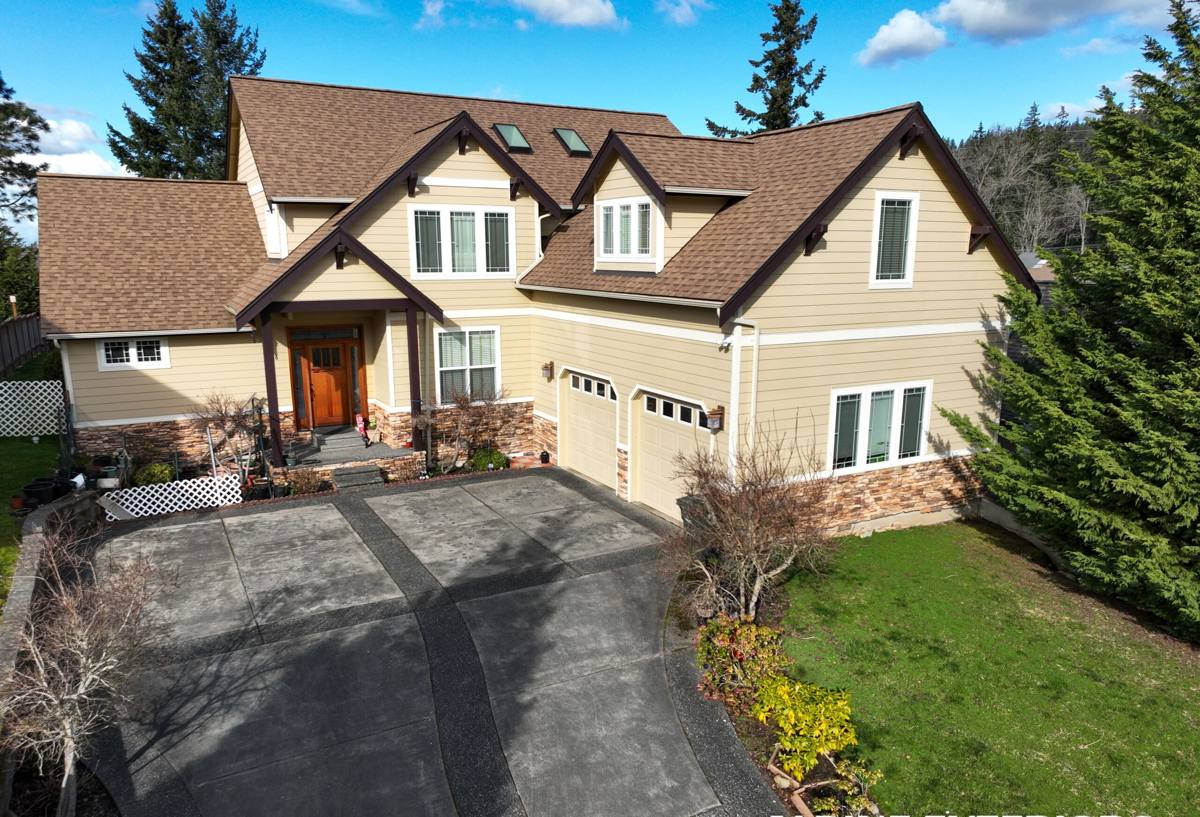
Cherry Point sits right on the water in Whatcom County, and that location shapes everything about how a roof ages here. Homes just a few miles inland deal with rain and wind like anywhere else in the Pacific Northwest. Homes closer to the Cherry Point shoreline deal with all of that plus a steady drift of salt air, driving rain that comes in sideways off the water during winter storms, and a moss season that can run eight or nine months out of the year. A roof that would last two decades in a drier, more sheltered part of Whatcom County can show real wear in half that time out here if it wasn't built or maintained with this exposure in mind.
This page is about one job, done right, in this one area: replacing a roof on a Cherry Point home in a way that actually accounts for salt, rain, and moss instead of ignoring them.
What Salt Air, Rain, and Moss Actually Do to a Roof
Salt Air and Metal Components
Salt-laden air corrodes unprotected or poorly rated metal faster than people expect. Roofing nails, flashing, drip edge, and vent stacks are all metal, and cheap or mismatched fasteners near the water will rust, stain the roof surface, and eventually lose their grip long before the shingles around them wear out. This is one of the most common shortcuts we see on older Cherry Point reroofs — standard-grade fasteners used because that's what's on the truck, not because anyone thought through the exposure.
Wind-Driven Rain and Water Path
Storms coming off the water don't just drop rain straight down — they push it sideways, up under shingle tabs, and into any gap in flashing or underlayment that a calmer climate would never expose. A roof here has to be built with the assumption that water will try to travel uphill at some point during the winter, which makes underlayment coverage, valley work, and flashing detail more important than the shingle brand on top of them.
Moss and Granule Loss
Shade, moisture, and mild temperatures make Cherry Point good moss habitat almost year-round. Moss holds water against the roof surface long after rain stops, which accelerates granule loss on asphalt shingles and can work its way under shingle edges over time. A roof with poor ventilation or heavy tree cover will grow moss faster than a well-ventilated, sun-exposed one, even on the same street.
Signs a Cherry Point Roof Is Due for Replacement
Some of this you can see from the ground; some needs a closer look. If several of these apply, it's worth having the roof evaluated rather than waiting for a leak to force the decision.
- Shingles that are cupping, curling at the edges, or missing granules in patches
- Moss growth that comes back within a few months of cleaning, especially on north-facing slopes
- Rust streaks below flashing, vent stacks, or nail heads
- Soft spots or sagging when walked on, which usually points to decking damage underneath
- Daylight visible through the roof deck from the attic, or damp insulation after storms
- A roof that's 18-25+ years old and has never been fully replaced, only patched
- Rising energy bills that track with poor attic ventilation or failing insulation under the roof
What a Correct Roof Replacement Involves
A roof replacement is more than stripping old shingles and nailing down new ones. In a marine climate like Cherry Point's, several steps matter more than they would in a drier region, and skipping them is exactly how a "new" roof ends up with the same problems in five years.
Full Tear-Off and Deck Inspection
Every layer of old roofing comes off down to the deck. This is the only way to actually see the plywood or OSB underneath — rot, delamination, or soft spots from years of moisture intrusion don't show up until the old material is gone. Any damaged decking gets replaced before anything new goes down; installing over a compromised deck just hides the problem for a while.
Underlayment and Water Barrier
Synthetic underlayment holds up better than old-style felt in wet, humid conditions and gives a more reliable second line of defense under the shingles. In vulnerable areas — eaves, valleys, and around penetrations — a self-adhering ice-and-water membrane adds a layer that's far more resistant to wind-driven rain finding its way underneath.
Flashing and Fastener Grade
Flashing around chimneys, skylights, sidewalls, and valleys is where most roof leaks actually start, not in the open field of shingles. This gets rebuilt correctly, not just caulked over the old pieces. Given the salt exposure here, we also pay attention to fastener and flashing material — corrosion-resistant hardware costs a little more up front and avoids the rust staining and early failure that plain galvanized components can show near the water.
Ventilation Balance
Intake vents at the eaves and exhaust vents at the ridge need to work together to move air through the attic. Balanced ventilation keeps the deck drier, helps shingles run cooler, and reduces the damp, shaded conditions that moss depends on. A lot of older Cherry Point homes have exhaust vents but little or no intake, which chokes off the airflow that's supposed to be doing the work.
Choosing a Roofing Material for This Climate
There's no single "best" roofing material for every home — the right choice depends on budget, roof pitch, tree cover, and how long you plan to own the house. Here's how the common options stack up specifically against salt air, rain, and moss exposure.
| Material | Typical Lifespan Here | Moss & Salt Resistance | Maintenance |
|---|---|---|---|
| Architectural asphalt shingle | 20-30 years | Good with proper ventilation; moss-resistant granule options available | Periodic moss treatment, gutter cleaning |
| 3-tab asphalt shingle | 15-20 years | More prone to curling and granule loss in wet, shaded areas | More frequent moss and wear monitoring |
| Standing seam metal | 40-50+ years | Excellent when properly coated/finished for coastal exposure | Low; occasional inspection of seams and fasteners |
| Cedar shake | 20-30 years with upkeep | Attractive but needs active moss and moisture management | Higher; regular treatment and inspection |
We install both architectural asphalt and metal roofing, and we'll walk through the honest trade-offs for your specific roof rather than steering you toward whatever's easiest to install. Architectural shingles remain the most common choice for good reason — solid performance and cost balance when installed with the right underlayment and ventilation. Metal costs more upfront but sheds moss and handles salt exposure with less long-term maintenance, which matters more the closer a home sits to the water.
Our Process, Start to Finish
- On-site inspection: We get on the roof, check the deck condition where accessible, look at ventilation, flashing, and moss patterns specific to your property's sun and tree exposure.
- Written estimate: A clear scope and price — what's being torn off, what materials are going on, and what happens if we find deck damage once the old roofing is off.
- Material selection: We go over shingle vs. metal, color, and any moss-resistant options that fit your budget and how long you plan to stay in the home.
- Scheduling around weather: Roofing here has real weather windows. We plan tear-off and install for stretches of dry weather where possible, and manage exposed sections carefully if conditions turn.
- Tear-off and installation: Full removal, deck repair as needed, correct underlayment and flashing, then the new roofing system installed to manufacturer spec.
- Final walkthrough: We review the finished roof with you, cleanup is complete, and you know what routine maintenance to expect going forward.
Why a Crew That Already Works Cherry Point Matters
Roofing crews that mostly work drier, inland areas can do fine work, but they're not always thinking about salt-rated fasteners, moss-prone shade patterns, or how wind-driven rain off the water behaves differently than a typical Whatcom County downpour. A crew that regularly works Cherry Point and the Semiahmoo area already knows what tends to fail first on homes out here, what ventilation setups actually keep moss down given the local tree cover and humidity, and how to sequence a tear-off around this coastline's weather rather than guessing. That familiarity shows up in fewer callbacks and a roof that's actually built for where it sits, not just built to a generic spec.
Maintaining a New Roof in a Moss-Prone, Salt-Air Climate
A correctly installed roof still needs some upkeep in this environment — that's the nature of a marine climate, not a defect in the work. A little routine attention goes a long way toward getting the full lifespan out of the investment.
- Clean gutters and downspouts at least twice a year so water isn't backing up under the eaves
- Have moss treated before it establishes heavy growth, rather than after it's matted into the shingle surface
- Keep overhanging branches trimmed back to reduce shade and debris buildup on north-facing slopes
- Have flashing and fastener condition checked every few years, especially near chimneys and vent stacks
- Address any small leak or stain promptly — in this climate, small problems don't stay small for long
If your Cherry Point roof is showing its age, or you just want an honest opinion on whether it needs replacing now or can wait, we're happy to take a look. The estimate is free, there's no pressure, and you'll get a straight answer either way — use the form below to get started.