 Semiahmoo Siding
 Siding Repair Built for the California Creek Environment
Homes along California Creek and the surrounding Semiahmoo area sit close enough to the water that siding takes a different kind of beating than it does further inland in Whatcom County. Salt-laden air moves off the bay, driving rain comes in sideways during winter storms, and the shaded, damp pockets around mature trees and drainage corridors keep moss and algae growing for most of the year. Siding that would hold up fine in a drier inland town starts showing stress here years earlier — and once damage starts, it tends to spread fast if it isn't caught and repaired correctly.
This page is about one thing: siding repair for homes in and around California Creek. Not a full re-side, not a generic "siding services" overview — the specific work of diagnosing what's actually wrong with existing siding in this micro-climate and fixing it in a way that holds up to another decade of salt air and wet winters.
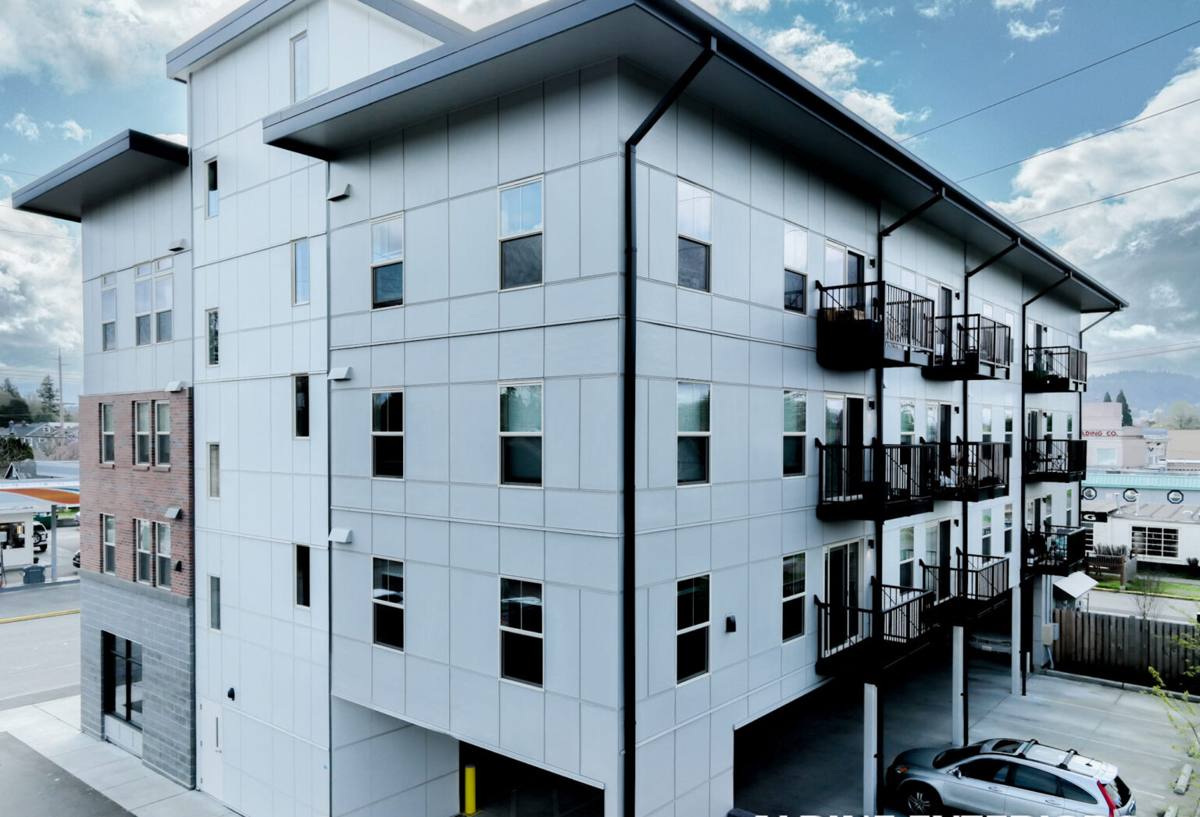
Why Siding Fails Faster Near California Creek
A few local conditions combine to accelerate wear on siding in this part of Semiahmoo:
- Salt air corrosion — airborne salt accelerates the breakdown of fasteners, trim flashing, and any caulking or sealant that isn't rated for a marine-influenced environment.
- Driving rain exposure — wind-driven rain off the water pushes moisture into laps, seams, and butt joints that would stay dry in a calmer inland setting.
- Extended moss and algae season — shaded, damp siding surfaces near the creek corridor and tree cover hold moisture longer, which feeds moss growth almost year-round rather than just in the wettest months.
- Freeze-thaw cycling — Whatcom County's damp winters mean water trapped behind or under siding freezes and expands repeatedly, widening small cracks into real problems.
None of this means siding here is doomed — it means the repair work has to account for these conditions instead of just patching the visible damage and moving on.
What Real Damage Looks Like on These Homes
Moisture-related damage
The most common repair call in this area isn't cosmetic — it's moisture that's found a way behind the siding through a failed seam, a cracked board, or trim that's pulled away from the wall. By the time staining or soft spots show up on the surface, there's often been water intrusion for a while. Left alone, this leads to sheathing damage and, eventually, interior issues.
Moss and algae staining
Green or black streaking, especially on north-facing walls or sections shaded by trees near the creek, is common. Surface staining alone isn't structural, but moss holds moisture against the siding and accelerates whatever damage is already starting underneath.
Fastener and flashing corrosion
Salt air is hard on standard fasteners and thin flashing. Rust streaks running down from nail heads or trim edges are a sign the original fasteners weren't rated for a marine-influenced environment — a detail that matters a lot more here than it would 20 miles inland.
Impact and edge damage
Cracked corners, chipped edges, and boards knocked loose by wind or storm debris are common after the winter storm season and need to be addressed before the next round of driving rain gets behind them.
Repair vs. Replace: How We Make the Call
Not every damaged board needs to come out, and not every problem can be solved with a patch. The right call depends on how far moisture has traveled, how much of a wall section is affected, and whether the surrounding material is still sound.
| Situation | Typical Approach | Why |
|---|---|---|
| Isolated crack or chip, no moisture behind it | Spot repair or single board replacement | Surrounding siding and sheathing are still sound — no need to disturb more than necessary |
| Moss/algae staining only, siding intact | Clean and treat, inspect for hidden moisture | Cosmetic issue, but worth confirming it hasn't masked a moisture problem underneath |
| Localized water intrusion at one seam or corner | Remove affected boards, check sheathing, re-flash, replace with matched siding | Stops the problem at its source instead of resealing over damaged material |
| Widespread moisture damage across a wall section | Full section re-side | Patch repairs on a compromised wall section rarely hold — the underlying issue needs to be addressed directly |
| Original material is a moisture-sensitive product (not fiber cement) | Case-by-case; often full replacement makes more sense long-term | Some legacy siding products don't take well to partial repair once they've started to break down |
Why Repair Work Is Different When the Home Is Sided in James Hardie
We install only James Hardie fiber cement siding on new work, and it's also the product we're most equipped to repair correctly. Hardie's HZ product lines are engineered for exactly the kind of climate California Creek sits in — wind, rain, and humidity — which means damaged sections can usually be replaced with matching boards rather than requiring a wholesale re-side.
A correct Hardie repair involves:
- Matching the existing plank profile and exposure so the repaired section reads as original from the street.
- Using ColorPlus factory-finished replacement boards where possible, so the color and sheen match rather than relying on field touch-up paint that weathers differently over time.
- Re-establishing proper flashing and a drainage path behind the repaired section — not just sealing the surface.
- Fastening with corrosion-resistant fasteners appropriate for a marine-influenced environment, which matters more here than in most inland Whatcom County neighborhoods.
- Maintaining correct clearances at grade, decks, and trim so the repair doesn't just fail again in the same spot.
If a home in the California Creek area was originally sided in vinyl, LP SmartSide, cedar, or another fiber cement brand, we'll still assess and discuss honest repair options — but we're upfront that our installation expertise and warranty backing is specific to James Hardie. For homes reaching the point where repeated patch repairs aren't holding, that's often the moment to talk about transitioning to a product built for this exact climate.
Our Process for a California Creek Repair Call
- On-site inspection. We look at the visible damage and check adjacent areas — moisture problems are rarely contained to just the spot that's visibly stained or cracked.
- Moisture check. Where there's any sign of water intrusion, we check behind the siding before deciding on scope, rather than guessing from the surface.
- Honest scope recommendation. We tell you plainly whether this is a spot repair, a section replacement, or something that's reached the point of full re-side — and why.
- Matched materials. Wherever the original siding is James Hardie, we source matching profile and color so the repair blends in rather than standing out.
- Correct reassembly. Flashing, fastening, and drainage details are restored to spec — not just covered over — so the repair is built to handle another Whatcom County winter.
Signs It's Time to Call for a Siding Repair Estimate
- Visible cracking, chipping, or gaps at board seams or corners
- Staining, soft spots, or discoloration that wasn't there last season
- Persistent moss or algae growth that keeps coming back after cleaning
- Rust streaking from nail heads, trim, or flashing
- Boards that feel loose, warped, or pulled away from the wall
- Paint or finish that's peeling or bubbling in one concentrated area
- Any interior sign of moisture near an exterior wall — musty smell, staining, or bubbling drywall
Why It Matters to Hire a Crew That Already Works This Area
Siding repair mistakes in a salt-air, high-rainfall environment don't just look bad — they fail again, usually faster than the original problem took to develop. A crew that's used to working inland doesn't always think to upgrade fastener corrosion resistance, account for wind-driven rain angles, or recognize how much longer moss holds moisture against a wall near the water. A crew that already services homes around California Creek and Semiahmoo knows these patterns going in, which means fewer surprises and repairs that are built for the conditions they'll actually face, not just the conditions a repair manual assumes.
It also means we're not guessing at what "normal wear" looks like here versus what's an early warning sign — we see enough of these homes to tell the difference.
Get a Straight Answer on Your Siding
If you're seeing damage, staining, or wear on your siding near California Creek or elsewhere in Semiahmoo, we're happy to come take a look and give you an honest read on whether it's a simple repair, a section replacement, or something bigger — no pressure either way. Use the form below to request a free estimate.