 Semiahmoo Siding
 Roof Repair Built for the California Creek Climate
California Creek is a residential area near Semiahmoo, along the water in Whatcom County close to the Canadian border, and roofs out here deal with a different set of demands than roofs a few miles inland. Salt-laden air drifts in off the water, storms push rain in sideways more often than they drop it straight down, and moss finds a foothold on shaded, moisture-holding roof surfaces for most of the year. A repair that would hold up fine in a drier, more sheltered part of the county can fail here within a season or two if it doesn't account for what this stretch of coastline actually puts a roof through.
We repair roofs in California Creek regularly, and the calls we get out here tend to cluster around the same handful of causes: moss holding moisture against shingles and decking, flashing that's corroded or worked loose under wind pressure, and wind-driven rain finding its way in through joints and laps that were never built to handle water moving at an angle. Most homes in the area are roofed in asphalt composition shingle, with some cedar shake and metal on newer or remodeled homes — shingle repair is what we're called out for most often, simply because it's the material most roofs here are built with. This page covers what a correct repair means for this specific neighborhood, not a generic roofing overview.
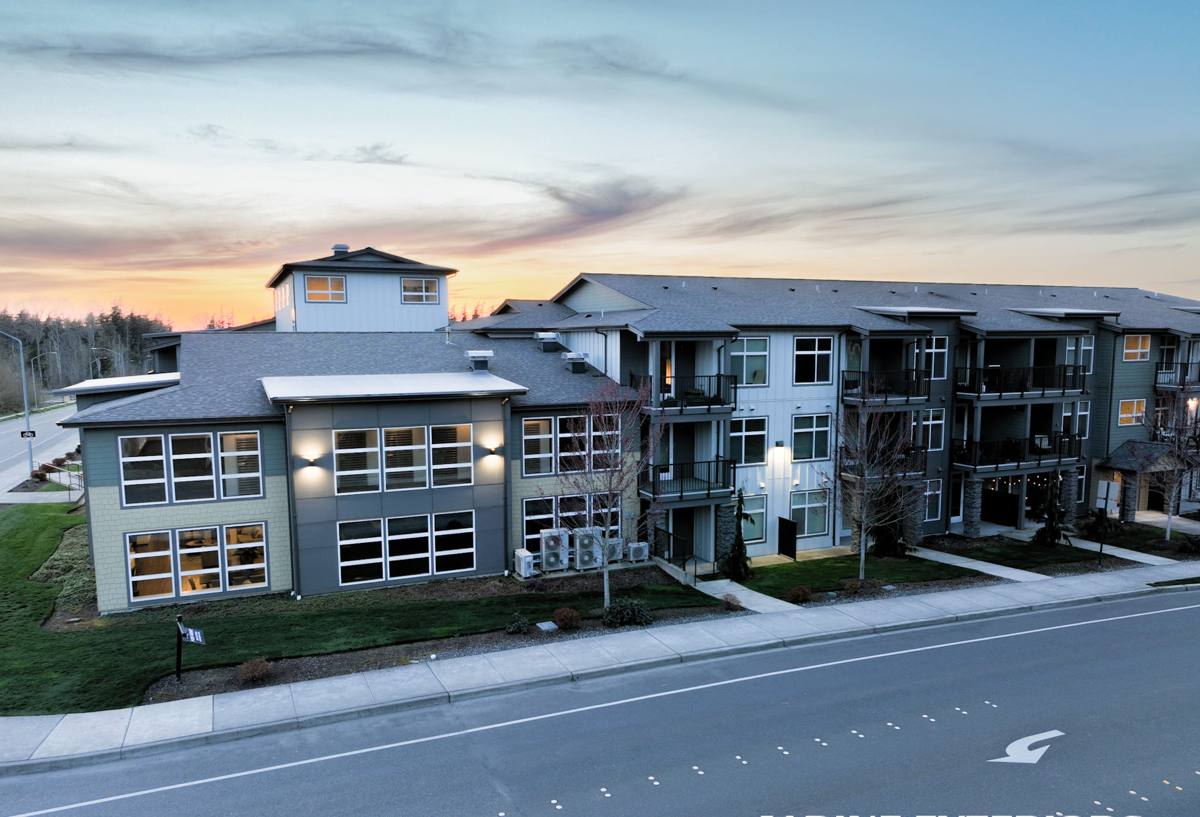
What This Climate Does to a California Creek Roof
Salt Air and Corrosion
Being close to the water means the air carries salt, and salt is hard on metal. Fasteners, flashing, gutter hardware, and any exposed trim corrode faster here than they would on a roof set back further inland. A repair using standard-grade materials can look fine going in, then start failing years ahead of schedule once salt works its way into the joints and seams. That's why the grade of hardware used in a repair matters as much as the labor itself.
Wind-Driven, Sideways Rain
Open exposure near the water means storms don't just drop rain straight down — wind pushes it sideways, up under shingle tabs, and into valleys and roof-to-wall transitions with more force than a sheltered inland roof typically sees. Flashing details and shingle laps that hold up fine elsewhere in Whatcom County can leak here specifically because the water pressure is coming from an angle they were never sealed against.
A Moss Season That Doesn't Really End
Mild temperatures and near-constant moisture mean moss doesn't take much of a season off in California Creek. Shaded, north-facing slopes and any spot that stays damp longer than the rest of the roof become moss magnets. Moss does more than look bad — it holds water against the shingle surface, lifts tabs as it spreads, and speeds up the granule loss happening underneath it.
Common Roof Repair Calls We See in This Neighborhood
Most of what brings us out to a California Creek roof falls into a fairly predictable list:
- Moss buildup in valleys and on shaded slopes that keeps coming back after a homeowner clears it themselves
- Lifted or missing shingle tabs along roof edges exposed to open wind
- Corroded or lifted flashing around chimneys, vents, and skylights
- Granule loss showing up in gutters, a sign the shingle surface is wearing thin
- Water staining on interior ceilings near exterior walls, usually noticed after a windy storm
- Soft or spongy decking discovered once shingles are pulled back for a closer look
Any one of these on its own might be a straightforward fix. The complication is that most California Creek roofs we're called out to have more than one going on at the same time, because moss and driving rain accelerate the wear that leads to the others.
What a Correct Roof Repair Actually Involves
Water rarely stays where it enters. A ceiling stain in a back bedroom might trace back to a flashing gap several feet away, or to moss holding moisture over a valley higher up the slope. A repair that only addresses the visible spot without tracing where the water actually traveled tends to resurface within a wet season or two — and by then, hidden damage has usually spread.
A repair done correctly on a California Creek roof generally means pulling shingles back far enough to see the decking underneath, not just patching the surface; replacing flashing with material suited to salt-air exposure rather than whatever happens to be on the truck; matching shingle color and profile closely enough that the repair doesn't shortcut the roof's remaining service life; and checking that attic and roof ventilation still lets the deck dry out between storms, since a roof deck that stays damp will keep growing moss and rotting no matter how good the shingle work above it is.
Emergency Leaks vs. Scheduled Repairs
A roof that's actively leaking during a storm needs a different response than one with a moss problem that's been building quietly for a while. For active leaks, the priority is stopping water intrusion and protecting the interior first, with the full permanent repair scheduled once conditions allow safe access to the roof. For non-emergency issues like moss buildup or early flashing wear, the work gets scoped and typically completed in one visit under normal conditions, without the pressure of an active leak driving the timeline.
Repair or Replace?
Not every roof problem in California Creek needs a full replacement, and not every leak can be solved with a patch. These are the factors that usually decide which side of that line a given roof falls on:
| Factor | Repair Is Usually Enough | Replacement Should Be Considered |
|---|---|---|
| Age of roof | Roughly under 15 years, especially with regular maintenance | At or beyond the manufacturer's expected service life |
| Extent of damage | Isolated to one section, valley, or penetration | Spread across multiple slopes or recurring in several spots |
| Decking condition | Solid and dry once shingles are pulled back | Soft, spongy, or showing rot in more than one area |
| Moss and staining pattern | Recent and limited to shaded or low-slope areas | Long-standing, widespread, or returning right after cleaning |
| Underlying cause | A single, identifiable failure point — a flashing seam, a vent boot, a valley | General material wear spread across the whole roof surface |
Cost follows the same logic rather than a flat per-square-foot number: it depends on how easily the roof can be accessed, how much decking needs replacing once it's opened up, and whether matching shingles are still available for an older roof. We give a written, itemized estimate before any work starts so there are no surprises once the repair is underway.
Our Roof Repair Process
We keep the process the same on every California Creek roof, whether the job is a single flashing repair or a larger section of shingles:
- An on-site inspection of the full roof, not just the spot where the leak or damage was originally reported
- Tracing water intrusion back to its actual source, including checking decking condition wherever shingles are pulled back
- A clear written estimate explaining what's being repaired and why, before any work begins
- Repair work using corrosion-resistant fasteners and flashing suited to salt-air exposure
- A final check of ventilation and drainage so the repair isn't undone by the same conditions that caused the original problem
A Homeowner's Moss and Maintenance Checklist
Between repairs, a few habits go a long way toward keeping a California Creek roof from turning into an emergency call:
- Clear moss and debris from valleys and gutters at least once a year, more often under heavy tree cover
- Trim back branches that keep any section of the roof shaded and damp longer than the rest
- Check that attic ventilation isn't blocked by insulation or debris, especially after storm season
- Look over flashing around chimneys, vents, and skylights once a year for lifting or visible corrosion
- Address small leaks early — a stain the size of a dinner plate is far cheaper to fix than the decking damage it becomes if it's ignored
Why a Crew That Already Works California Creek Matters
Roofing crews who mainly work drier, more sheltered parts of Whatcom County don't always carry the habits that matter on a property this exposed — using corrosion-resistant hardware without being asked, checking flashing against wind direction and not just water flow, or already knowing which slopes on a California Creek roof are going to hold moss no matter what because of how the lot sits. None of that shows up in a quick estimate. It shows up years later, in whether the repair actually held through a few more wet seasons.
If you're dealing with a leak, moss buildup, or a roof that's just due for an honest look in California Creek, we're glad to come take a look at no cost. We'll tell you plainly whether it's a repair, what it involves, and why — no pressure either way.