 Semiahmoo Siding
 Blaine Harbor Sits Right at the Water's Edge — and Siding Pays for It
Homes around Blaine Harbor get a version of Pacific Northwest weather that's a step harder on exterior materials than a few miles inland. Being close to open water means more airborne salt, more wind-driven rain hitting walls at an angle instead of falling straight down, and a longer stretch of the year when siding simply doesn't get a chance to dry out. We install James Hardie fiber cement siding exclusively, and Blaine Harbor is exactly the kind of location where that choice — and a correct installation — actually shows up in how the house looks and performs ten and twenty years out.
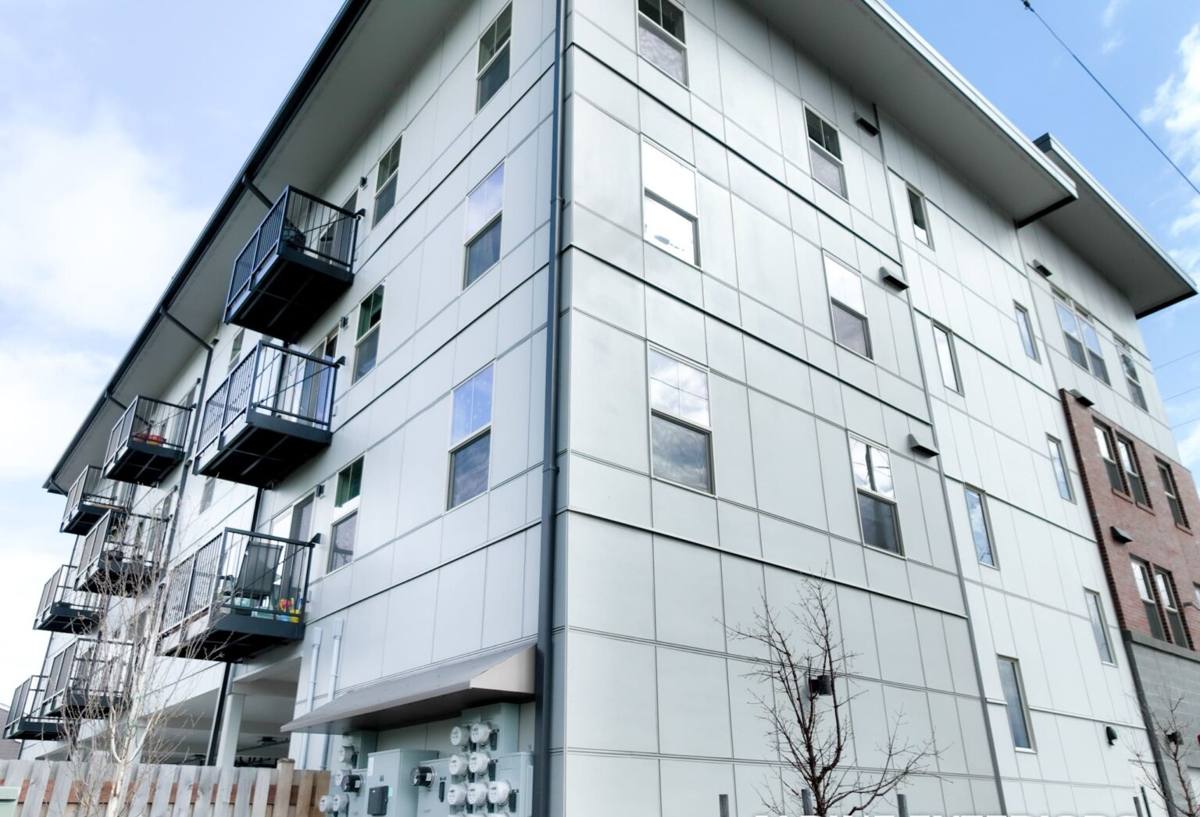
What This Climate Actually Does to Exterior Siding
Salt Air and Airborne Moisture
Proximity to Semiahmoo Bay and the harbor means a steady low-level exposure to salt-laden air, even on homes that aren't directly waterfront. Salt air accelerates corrosion of exposed metal fasteners and trim, and it interacts with paint films differently than dry inland air does — coatings that would hold up fine in Bellingham's east side can chalk, fade, or lose adhesion faster a mile or two from the water.
Driving Rain Off the Water
Open water exposure also means rain rarely falls straight down here — wind pushes it sideways into walls, corners, and trim joints. That matters more than it sounds like it should, because most siding failures aren't caused by rain hitting a flat wall; they're caused by rain finding a gap, a bad seam, or a poorly flashed joint and getting behind the cladding where it can't dry.
A Long, Damp Moss Season
Whatcom County's wet season stretches long, and shaded or north-facing walls near the water can stay damp for weeks at a stretch. That's ideal territory for moss, algae, and mildew to take hold on siding surfaces and in caulked joints — not just a cosmetic issue, but a sign that a surface is holding moisture longer than it should.
Why James Hardie Fits This Exposure
A Stable, Non-Combustible Core
James Hardie siding is fiber cement — a mix of cement, sand, and cellulose fibers — so it doesn't absorb and swell with moisture the way wood-based products can, and it doesn't corrode the way metal does. That inherent stability matters more in a salt-air, high-rain environment than it does in a dry climate, because the material is being asked to hold its shape and finish through more freeze-thaw-damp cycles per year.
ColorPlus Factory Finish
Rather than relying on field-applied paint, Hardie's ColorPlus finish is baked on at the factory in a controlled process, which gives it better adhesion and more consistent UV and moisture resistance than a coat of paint applied on-site after installation. In a salt-air environment where field-applied finishes tend to degrade faster, that factory bond is one of the clearer practical advantages.
Climate-Engineered HZ Product Lines
Hardie engineers its siding in different formulations for different climate zones — HZ5 for regions with real moisture and freeze-thaw cycling, HZ10 for hot, humid climates. Western Washington, including Blaine Harbor, falls in the zone where moisture and cool wet winters are the dominant concern, and specifying the correct HZ formulation is part of what a proper installation gets right from the start.
What a Correct Installation Involves Here
Water-Resistive Barrier and Rainscreen Gap
Behind the siding, a continuous water-resistive barrier has to be installed and lapped correctly — shingle-style, so any water that does get past the cladding sheds down and out rather than pooling behind it. In a driving-rain environment like this one, we also build in a rainscreen gap (a drainage space between the WRB and the siding) so that any moisture that gets behind the panels has somewhere to drain and air to dry it out, instead of sitting against the back of the siding or the sheathing.
Fastening, Clearances, and Caulking
Hardie's warranty and performance depend on installation to spec: correct fastener type and spacing, proper nailing patterns, and minimum clearances between siding and grade, decks, roof lines, and other transitions. Skipping these details doesn't usually cause an immediate problem — it shows up two or five years later as trapped moisture, paint failure, or a soft spot nobody expected.
Flashing and Trim at Vulnerable Points
Windows, doors, corners, and roof-to-wall intersections are where wind-driven rain finds its way in. Flashing has to be layered correctly at every one of these transitions, and trim has to be caulked with a product rated for the movement and moisture cycling this climate puts it through. On a home exposed to harbor winds, these details carry more of the waterproofing load than the field of siding itself.
Our Process for a Blaine Harbor Siding Job
- On-site assessment — we look at wall exposure, existing siding condition, moisture or moss patterns, and any problem areas around windows, trim, or grade clearance.
- Product and color selection — confirming the correct HZ formulation and panel profile, and reviewing ColorPlus color options against the home's exposure and HOA or neighborhood expectations if applicable.
- Tear-off and sheathing check — removing old siding and inspecting the sheathing underneath for rot or damage before anything new goes up.
- Water-resistive barrier and rainscreen installation — the part of the job that does the most long-term work and is also the easiest to shortcut, which is why we don't.
- Siding installation to Hardie's fastening and clearance specifications — including at grade, decks, and roof transitions.
- Trim, flashing, and caulking — sealed and finished at every window, door, corner, and penetration.
- Final walkthrough — checking clearances, seams, and finish before we consider the job done.
What Drives the Cost of a Blaine Harbor Siding Job
Every home is different, but the same handful of factors move the price up or down on most jobs in this area:
| Cost Factor | Why It Matters |
|---|---|
| Home size and wall complexity | More square footage and more corners, gables, and dormers mean more cutting, fitting, and trim work |
| Existing siding removal | Tear-off, disposal, and sheathing repair add labor before new siding can go up |
| Trim and detail level | Board-and-batten accents, wide trim, or shutters add material and installation time |
| Panel profile and color | Lap width, panel style, and ColorPlus color selection affect material cost |
| Site access | Waterfront lots, steep grades, or tight setbacks can affect staging and labor time |
Why a Crew That Already Works Blaine Harbor Matters
A crew that's worked this specific stretch of Whatcom County knows which walls take the worst of the wind off the water, where moss tends to establish first, and how much rainscreen detailing a given exposure actually needs versus a standard inland install. That's not something you can fully substitute with a generic install checklist — it comes from having done the work here before and having seen how a job holds up a few winters later.
Maintaining Hardie Siding in a Salt Air, Moss-Prone Climate
James Hardie siding is low-maintenance compared to wood, but "low-maintenance" isn't "no-maintenance" — especially this close to the water. A simple annual routine keeps it performing the way it's supposed to:
- Rinse the exterior once or twice a year to clear salt residue, especially on walls facing the water
- Check for moss or algae buildup on shaded and north-facing walls and treat it early before it spreads
- Inspect caulking around windows, doors, and trim annually and re-caulk any joints that have cracked or pulled away
- Trim back vegetation and keep gutters clear so water isn't draining directly onto siding or pooling at the base of walls
- Watch for any soft spots, discoloration, or paint failure near grade, decks, or roof lines — these are the areas most exposed to trapped moisture
Signs a Blaine Harbor Home May Need New Siding Soon
A few patterns tend to show up before a full siding failure does: persistent moss or algae that comes back no matter how often it's cleaned, caulk joints that keep cracking, soft or spongy spots near the base of walls or around windows, paint that's peeling or bubbling rather than just fading, and visible gaps or warping at panel seams. Any one of these on its own might just need a repair — several together usually mean it's worth having the whole system looked at.
If you're seeing any of that on a home in or around Blaine Harbor, or you're planning ahead for a siding replacement, we're happy to take a look and give you a straightforward, no-pressure estimate. Use the form below to get started.