 Semiahmoo Siding
 James Hardie Siding, Installed for Bellingham's Weather
Bellingham sits close enough to the water that salt air, wind-driven rain, and a moss season that runs a good part of the year are just part of owning a home here. Siding on a Bellingham house isn't decorative — it's the one layer standing between that weather and the framing, sheathing, and insulation behind it. James Hardie fiber cement siding is the product we install on every job in this area, and this page is about what that actually means for a Bellingham home specifically: what the climate demands, what a correct install looks like, and why local experience matters as much as the product itself.
We're a Semiahmoo-based crew that works Bellingham and the surrounding Whatcom County communities regularly, and James Hardie is the only siding brand we install. That's not a sales pitch — it's a standard we set because of what we've seen this climate do to lesser-detailed installs over time.
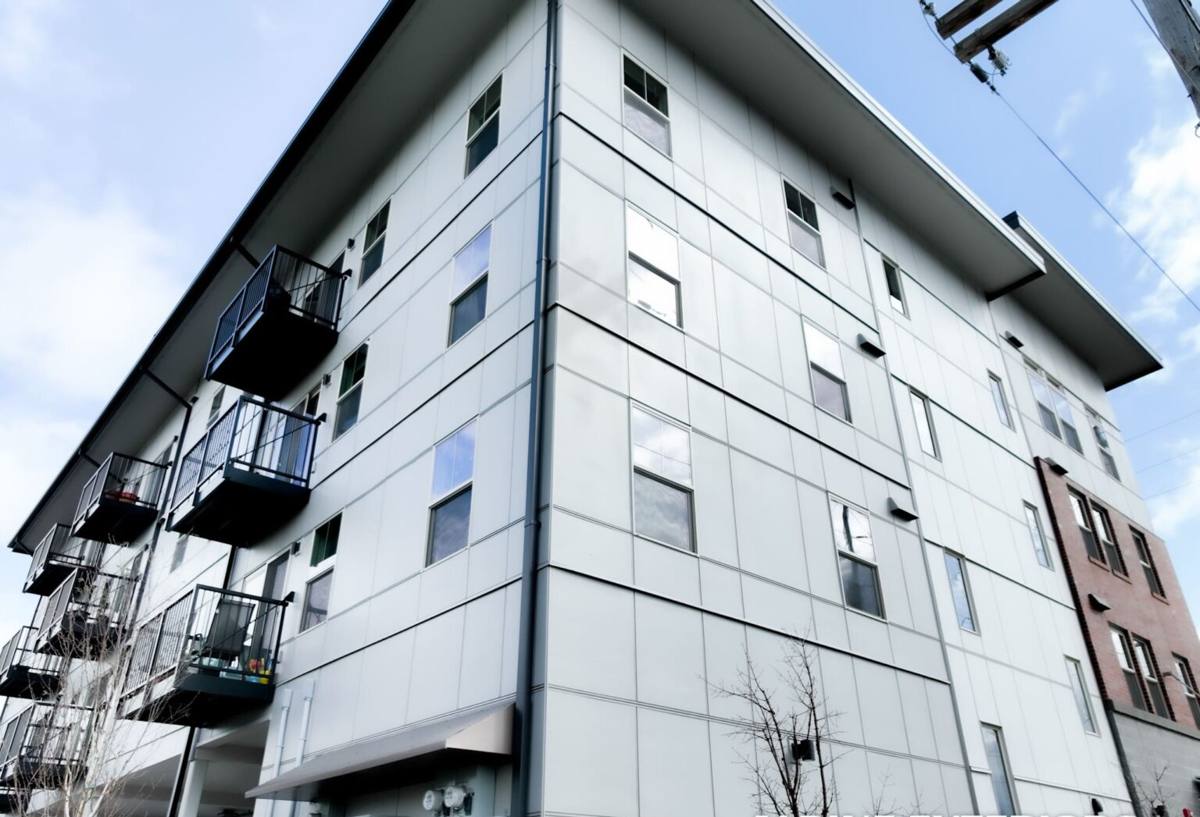
What Bellingham's Climate Actually Does to Siding
Salt Air and Corrosion
Homes in and around Bellingham, especially those with any exposure toward Bellingham Bay or the Salish Sea, deal with a steady low-level salt content in the air. Salt is hard on exposed metal — uncoated or poorly coated fasteners, trim flashing, and hardware corrode faster here than they would twenty miles inland. Over years, a corroding fastener can loosen, letting a siding board move slightly and open a gap for water.
Wind-Driven Rain
Rain in this area rarely falls straight down. Wind pushes it sideways against walls, which means the horizontal laps and vertical seams on any siding profile take on water at an angle, not just from above. A siding system that isn't lapped, flashed, and fastened correctly for that reality will eventually let water track behind the surface, even if it looks fine from the street.
The Long Moss Season
Shaded walls, north-facing exposures, and anywhere tree cover blocks direct sun stay damp longer in Bellingham than they do in drier climates, and that extended dampness is exactly what moss, algae, and mildew need to establish themselves. Moss holds moisture against the siding surface long after the rest of the wall has dried, which accelerates whatever wear is already happening underneath.
None of this makes Bellingham an unusually harsh place to build — it's a normal Pacific Northwest marine climate. But it's a climate that punishes shortcuts, and siding installed without accounting for these three factors specifically tends to show problems years before it should.
Why We Standardized on James Hardie
We used to get asked, more than once, why we don't offer LP SmartSide, vinyl, Cemplank, Allura, primed spruce, or cedar siding alongside Hardie. The honest answer is that we looked at what this climate does to a wall over ten, twenty, and thirty years, and decided we'd rather stand behind one material system completely than offer a menu of options with different long-term risk profiles.
| Material | Behavior in Salt Air & Wet Climate | Maintenance Burden | Realistic Lifespan Here |
|---|---|---|---|
| James Hardie fiber cement | Non-combustible, dimensionally stable, doesn't swell or rot | Low; factory finish resists moss and fading | 30+ years with correct install |
| LP SmartSide (engineered wood) | Wood-based core is more sensitive to moisture intrusion at cuts and fasteners | Moderate; edge sealing needs upkeep | 15-25 years, climate-dependent |
| Vinyl | Can warp, fade, or crack; seams and panels can loosen over time | Low upfront, but hidden moisture behind panels is hard to catch | 20-30 years, variable |
| Cedar | Absorbs moisture readily; needs consistent sealing to resist rot and moss | High; recurring sealing or repainting cycle | 15-25 years with consistent upkeep |
Each of those products is legitimate, and other contractors install them competently. Our decision to only install James Hardie is a professional standard, not a claim that everything else fails. Fiber cement's core doesn't expand and contract with moisture the way wood-based products do, it doesn't burn, and the factory-applied ColorPlus finish means color and moisture resistance don't depend on how well paint holds up on a jobsite years after installation. For a climate built around salt, rain, and moss, that combination is what we're willing to warranty our work against.
James Hardie's Product Lines for This Climate
Hardie builds region-specific formulations under its HZ5 engineering, which is what's used across the Pacific Northwest. The core is engineered for freeze-thaw cycling and sustained moisture exposure rather than for a hot, dry climate. Beyond the core formulation, homeowners choosing siding for a Bellingham home are usually deciding between a few board styles:
- HardiePlank lap siding — the most common choice, available in several exposure widths and a smooth or cedar-textured finish
- HardieShingle — a shingle profile for homes wanting a more traditional or coastal look without the maintenance of real wood shingles
- HardiePanel — vertical panel siding, often paired with battens, for a modern or farmhouse look
- HardieTrim — matching trim boards that carry the same factory finish and moisture resistance as the field siding
All of them carry the ColorPlus factory finish option, which bakes color onto the board under controlled conditions rather than relying on field-applied paint. That matters in a climate where UV, salt, and moisture all work against a painted surface simultaneously.
What a Correct Install Involves
The product only performs to spec if the installation matches it. A correct James Hardie install on a Bellingham home includes:
- Weather-resistive barrier installed and lapped correctly, with all penetrations sealed before siding goes up
- A drainage gap or rainscreen behind the siding so any moisture that gets past the surface has a path to dry out instead of sitting against the wall
- Corrosion-resistant fasteners, sized and spaced to Hardie's published specification for this climate zone
- Properly lapped and flashed transitions at windows, doors, corners, and the base of the wall
- Factory-cut boards installed face-up when possible, with any field cuts made face-down and primed on the cut edge before installation
- Correct nail placement — face-nailed or blind-nailed per the product line, never over- or under-driven, which can crack the board or leave it loose
Skip any of these and the siding can still look right on install day. The problems that come from skipped steps — moisture behind the wall, fastener corrosion, paint or finish failure at the seams — usually take a few wet seasons to show up, which is exactly why they're easy for a rushed install to get away with until the homeowner is the one dealing with the damage.
Our Process for a Bellingham Project
Walkthrough and Assessment
We start by looking at your specific walls — which ones take the weather head-on, which stay shaded and slow to dry, and whether the existing wall assembly has any moisture damage that needs addressing before new siding goes up. Installing new siding over an already-damaged wall just buries the same problem.
Product and Detail Planning
We work out board style, exposure, color, and trim details before crews start cutting material, and we plan flashing and drainage details around the specific exposure of your home rather than applying a generic national install standard.
Installation to Manufacturer Spec
Every fastener, lap, and flashing detail follows James Hardie's published requirements for this climate zone. That's what keeps the manufacturer's warranty intact, and it's what makes the siding perform the way it's supposed to for decades, not years.
Final Walkthrough
We walk the finished job with you, cover what little maintenance the material actually needs, and make sure you know what a well-installed wall looks like if you ever want to check it yourself down the road.
Why a Local Crew Matters
A siding crew that's worked Bellingham through multiple wet seasons has already seen which orientations need extra flashing attention because of shade and tree cover, how much a rainscreen gap actually earns its keep in this specific level of rainfall, and where salt exposure demands a fastener upgrade over a standard spec. That judgment doesn't show up on a manufacturer's install sheet — it comes from having installed and revisited siding on homes in this exact climate long enough to know where the generic guidance needs adjusting for Whatcom County conditions. We're based nearby in Semiahmoo and work Bellingham regularly, which means we're not learning this climate on your project.
Cost Factors for Bellingham Homes
James Hardie siding costs more upfront than vinyl and is generally in a similar range to well-installed engineered wood, but the total cost on any given home depends on more than just square footage:
| Factor | Why It Matters |
|---|---|
| Home size and wall complexity | More corners, dormers, and roof transitions mean more cuts and flashing details |
| Existing wall condition | Rot or moisture damage found during tear-off needs repair before new siding goes up |
| Board style and exposure width | Wider reveals and specialty profiles like shingle or panel siding affect material and labor cost |
| Trim and window detailing | More openings mean more flashing and finish work around each one |
| Access and site conditions | Steep lots, limited access, or multi-story walls can add labor time |
We give real numbers off an actual walkthrough of your home rather than a rough per-square-foot estimate — two Bellingham homes with the same footprint can have very different costs depending on how many of these factors apply.
A Quick Checklist Before You Hire
- Ask what fastener spec they use and whether it accounts for salt air exposure
- Ask whether they install a rainscreen or drainage gap behind the siding
- Ask how they handle flashing at windows, doors, and the base of the wall
- Ask how long they've been installing siding specifically in Bellingham or nearby Whatcom County
- Ask whether they're a certified James Hardie installer and what that certification actually covers
A contractor who's genuinely experienced with this material in this climate should be able to answer all of these without hesitation.
If you're weighing new siding for a home in Bellingham, we're happy to walk the property, look at your specific exposure and existing wall condition, and give you a straightforward, no-pressure estimate. There's a form below — reach out and we'll set up a time to take a look.