 Semiahmoo Siding
 Why Blaine Harbor Roofs Wear Differently
Blaine Harbor sits right where the wind comes off the water, and that changes what a roof has to survive. Salt-laden air corrodes exposed metal faster than it would a few miles inland, wind-driven rain finds its way under poorly lapped materials instead of just running off, and the region's damp, shaded winters grow moss on almost anything with texture. A roof spec that works fine in a drier part of Whatcom County can fall short here within a decade if it wasn't chosen and installed with this exposure in mind.
Metal roofing, done correctly, handles this environment better than most alternatives — but "correctly" is doing a lot of work in that sentence. The wrong fastener, the wrong flashing detail, or the wrong finish grade will corrode or fail early no matter how good the panel itself is. This page is about what a metal roof needs to actually perform on a Blaine Harbor home, not just what it looks like on install day.
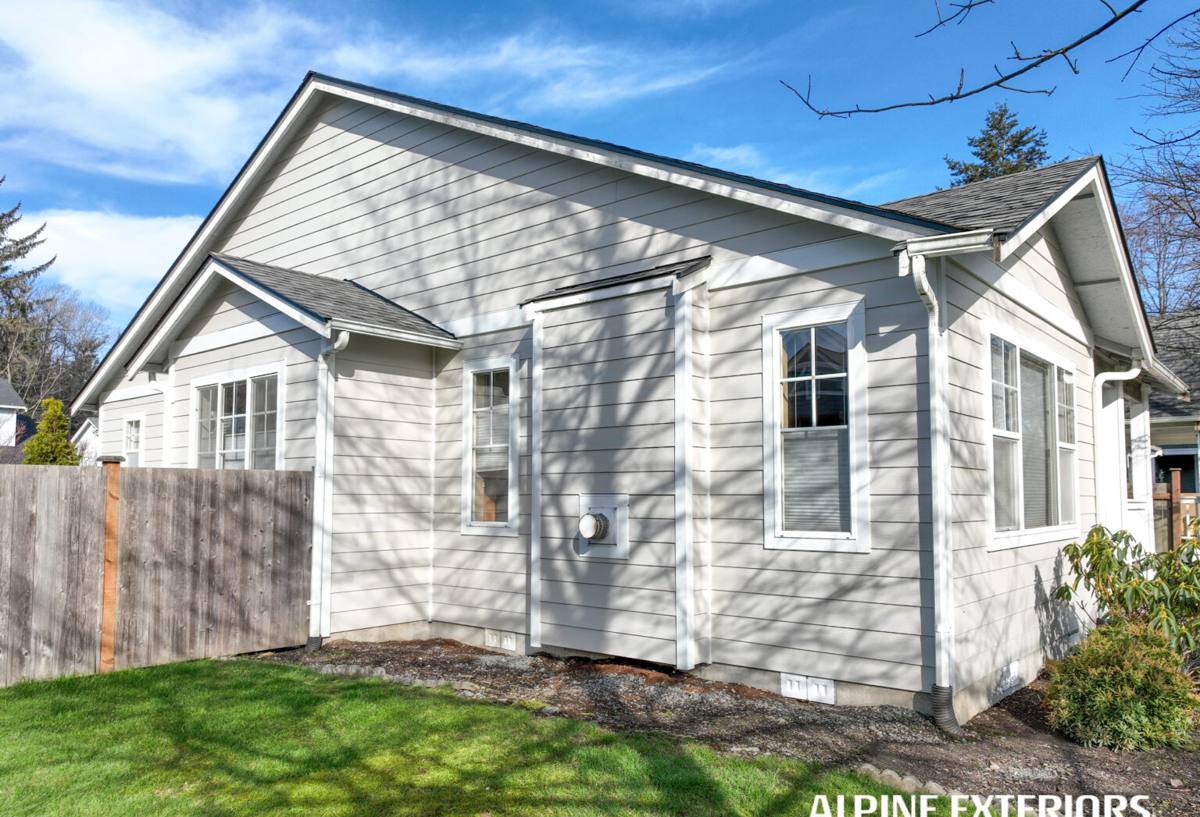
What a Good Metal Roof Does for a Waterfront-Adjacent Home
Homes in and around Blaine Harbor deal with a specific combination of stresses: coastal humidity, salt spray carried on onshore wind, heavy seasonal rain, and long stretches of shade and moisture that favor moss and algae growth. A properly specified metal roof addresses all four:
- Sheds water fast. Standing seam and most panel profiles have steep, continuous drainage paths with far fewer laps and seams than shingles, which matters when rain is coming in sideways off the strait.
- Resists moss colonization better than asphalt. Metal's smooth, non-porous surface gives moss and algae less to grip, though it isn't immune — gutters, valleys, and shaded north slopes still need attention.
- Holds up to salt exposure — if the right materials are used. Aluminum and properly coated steel resist salt corrosion far better than bare or lower-grade galvanized products.
- Handles wind uplift. Correctly fastened metal panels perform well in the gusty conditions common along this stretch of coastline.
Where Homeowners Get Surprised
The most common misconception we run into is that "metal roof" is a single product. In practice, the metal type, coating, panel profile, and fastening system all matter independently, and in a salt-air environment, getting one of them wrong can undercut the rest. A roof can look identical to a neighbor's and perform completely differently five years out.
Panel and Metal Options Compared
Every option below can work in Blaine Harbor's climate. The differences are in long-term maintenance, upfront cost, and how forgiving each is of imperfect installation — which matters because this is not a climate that's forgiving of shortcuts.
| Metal / System | Salt-air performance | Maintenance burden | Typical fit |
|---|---|---|---|
| Standing seam steel (Kynar/PVDF coated) | Very good with quality coating | Low | Most homes, especially visible or high-slope roofs |
| Standing seam aluminum | Excellent — naturally corrosion-resistant | Low | Homes closest to the water or with heavy salt exposure |
| Exposed-fastener metal panels (steel) | Fair — fastener gaskets degrade over time | Moderate; fastener re-torque/replacement over the roof's life | Budget-conscious projects, outbuildings, secondary roofs |
| Stone-coated steel | Good, but coating chips can expose steel to corrosion | Moderate | Homeowners wanting a shake or tile look |
For homes with direct or near-direct exposure to salt spray, we generally steer clients toward standing seam systems with a concealed fastener design and a high-quality PVDF finish. Exposed-fastener panels aren't wrong for every application, but the gaskets at each fastener penetration are the weak point in this climate, and they don't last as long here as they would inland.
The Details That Determine Whether a Metal Roof Lasts Here
Flashing and Sealant Choices
Most metal roof failures we've been called to inspect in coastal Whatcom County trace back to flashing, not the panels themselves. Dissimilar metals in contact with each other can set up galvanic corrosion — a real concern when copper flashing meets steel fasteners, for example. We match flashing metal to the panel system and avoid mixing metals that will react with each other over time in salt air.
Fastener Grade
Standard fasteners corrode faster in salt-laden air than most homeowners expect. We use fasteners rated for coastal/marine exposure, with corrosion-resistant coatings matched to the panel metal, rather than the general-purpose fasteners that are fine for inland installs but not for a harbor-adjacent roof.
Underlayment
A synthetic, high-temperature underlayment beneath the panels gives a second line of defense against wind-driven rain that works past a seam or flashing detail — which happens more often here than in calmer parts of the county. This isn't optional in our approach; it's part of doing the job right the first time.
Moss and Debris Management
Metal doesn't stop moss and organic debris from accumulating in valleys, around penetrations, or in gutters — it just resists moss taking hold on the open panel field. Valley design and gutter sizing matter more here than in drier parts of the state, simply because moss season runs longer.
Our Process for Blaine Harbor Metal Roof Installs
- On-site assessment. We look at exposure direction, existing roof condition, structural framing, and any signs of past moisture intrusion before recommending a system.
- Material selection. Based on exposure and budget, we recommend a specific metal, coating, and panel profile — not a generic "metal roof" quote.
- Tear-off and deck inspection. We remove the old roofing and inspect the deck for rot or soft spots, which are more common on homes with a history of moss-related moisture retention.
- Underlayment and flashing install. This is where most of the long-term performance is determined, and it's the stage we spend the most care on.
- Panel installation. Panels are run, seamed, and fastened to manufacturer spec with coastal-rated hardware.
- Final walk-through. We review the completed roof with the homeowner, including what maintenance to expect and when.
Living With a Metal Roof in This Climate
A metal roof is lower-maintenance than shingles, but "low-maintenance" doesn't mean "no-maintenance," especially this close to the water. A simple annual routine keeps a well-installed system performing for decades.
- Clear gutters and valleys of moss, needles, and debris at least once a year — more often under overhanging trees.
- Rinse salt residue off panels periodically if the home has direct water-facing exposure.
- Check sealant at penetrations (vents, chimneys, skylights) every couple of years, since sealant ages faster in UV and salt air than the metal itself.
- Watch for any moss establishing in shaded valleys and treat early — moss holds moisture against the panel longer the more it spreads.
- Have fastener and flashing condition checked periodically if the roof uses an exposed-fastener system.
What This Actually Costs
Metal roofing costs more upfront than asphalt shingles, and the range varies based on metal type, panel profile, roof complexity, and current condition of the structure underneath. Rather than quote a number that won't reflect your actual roof, here's what moves the price:
| Factor | Effect on cost |
|---|---|
| Metal type (steel vs. aluminum) | Aluminum typically costs more but needs less long-term corrosion protection |
| Panel system (exposed-fastener vs. standing seam) | Standing seam costs more but reduces long-term maintenance and leak risk |
| Roof complexity (valleys, dormers, penetrations) | More cuts and flashing detail = more labor |
| Existing deck condition | Rot or moisture damage found during tear-off adds repair cost |
| Coating/finish grade | Higher-grade PVDF finishes cost more but hold color and resist corrosion longer |
We give firm, written quotes after an on-site look — not a phone estimate — because the variables above genuinely change the number, and we'd rather tell you accurately than guess low and revise later.
Why Local Experience in Blaine Harbor Matters
A crew that mostly works drier, inland jobs will often spec and install a roof the same way they would anywhere else in Whatcom County. That's not negligence — it's just not what their normal work calls for. Working Blaine Harbor and the surrounding Semiahmoo area regularly means we've seen which flashing details actually hold up to this specific combination of salt air and driving rain, which panel systems age well here versus which ones need earlier attention, and where moss tends to establish first on local rooflines. That local pattern recognition is the difference between a roof that's technically correct on paper and one that's actually built for this stretch of coastline.
If you're weighing a metal roof for a Blaine Harbor home, we're happy to come take a look and walk you through what we'd recommend for your specific exposure and roofline — no pressure, no obligation. Reach out using the form below to schedule a free estimate.